Rethinking Your Tech Stack: The New Era of MarTech Simplicity
Let us be honest for a second. Building a modern digital growth engine feels like trying to assemble a rocket ship while flying it. Most growth teams spend half their week toggling between ten different dashboard tabs, fixing broken Zapier integrations, and managing bloated subscription tiers. You buy an expensive SEO tool, a separate social scheduling app, a local search tracker, and a complex enterprise campaign platform. Instead of gaining momentum, your team spends more time managing software than executing strategies. True scalable marketing automation should not require a dedicated engineering crew or a massive corporate budget just to keep the lights on.
The reality is that traditional enterprise tools were built for a different decade. They were designed for huge teams with endless hours to configure workflows, tag contacts, and manually analyse data. For small to medium enterprises, growing startups, and agile digital teams, this approach creates massive overhead and sluggish execution. This is where an integrated AI CMO model changes everything. By bringing search engine optimisation, geographic search engine targeting, and multi-channel campaign execution under one intelligent platform, you can bypass the legacy MarTech bottleneck. If you are ready to reclaim your growth workflow, you can check out AI CMO: Unified AI Marketing Automation for Digital Growth to see how a streamlined setup operates in real time.
The Enterprise Trap: Big Budgets, Massive Tools, and Zero Agility
Have you ever looked at enterprise job postings for marketing technology roles? Take a look at major global brands like Skechers or enterprise SaaS conglomerates. They hire dedicated Product Managers for Marketing Automation just to manage cross-functional chaos between engineering, e-commerce, and analytics teams.
That level of infrastructure makes sense when you operate thousands of retail stores worldwide. But for most growing businesses, mimicking that enterprise stack is a trap. Here is why:
- Fragmented Data Streams: When your SEO data lives in one tool, your email platform in another, and your reporting dashboard in a third, your strategy gets diluted.
- Prohibitive Costs: Paying thousands of pounds every month for enterprise seats quickly drains your operational budget.
- Maintenance Paralysis: Every time an API updates or a campaign flow breaks, your marketing grinds to a sudden halt.
Enterprise platforms force you to adapt your strategy to fit their complex software architecture. Modern growth demands the exact opposite. You need systems that adapt to your vision instantly, running routine operational tasks silently in the background while you focus on high-level strategy.
Moving Beyond Legacy Workflows: Why Modern Teams Pick AI Automation
Let us talk about search engines for a moment. Traditional SEO tools like SEMrush, Ahrefs, or Moz are excellent at giving you endless charts, backlink lists, and audit scores. But what do they actually do with that data? Nothing. They expect you to take those spreadsheets, hire content writers, manually craft briefs, optimize page headers, and handle indexing yourself.
That is an old-school way of working.
When you transition to an AI-driven marketing infrastructure, execution happens alongside analysis. You can automatically identify keyword opportunities and immediately deploy search-optimised content without spending hours setting up campaign tickets. For teams looking to accelerate organic organic search performance, you can Automate Your SEO with AI and eliminate manual keyword research entirely.
What About Generative Engine Optimisation (GEO)?
SEO is no longer just about Google’s blue links. Modern buyers use AI search tools, conversational engines, and geo-targeted digital platforms to find solutions. Traditional marketing platforms completely ignore this shift. They do not track how your brand appears inside generative AI summaries or regional search environments.
A unified AI CMO platform handles both traditional search engine optimization and generative search engine visibility simultaneously. It automatically adapts your digital presence to meet local search intent and AI platform queries, giving you direct coverage across modern search engines. To expand your local and regional footprint across search platforms, you should Master GEO Targeting with AI today.
Real-Time Tracking: Operational Intelligence Without the Chaos
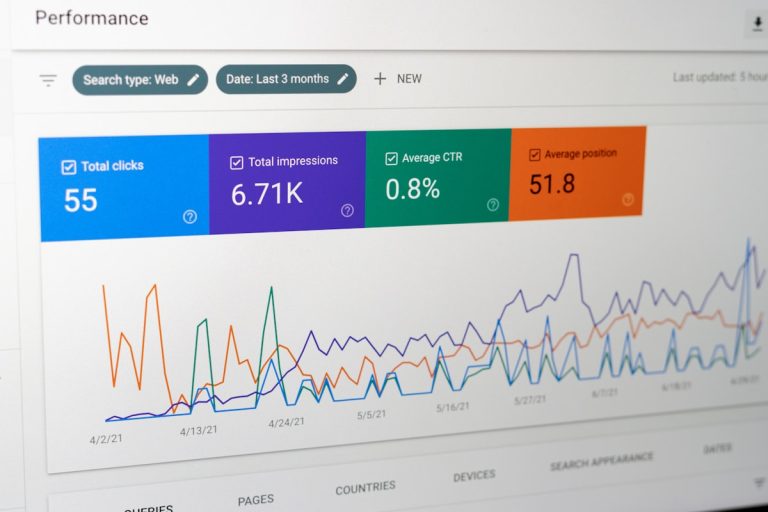
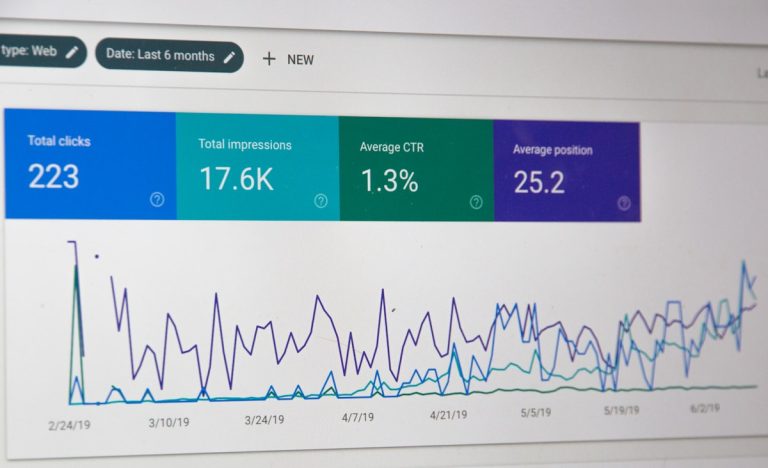
One of the biggest issues with standard marketing automation tools is delayed reporting. You launch a multi-channel campaign on Monday, but you do not really know if it worked until you export a CSV file three weeks later.
Real-time optimization changes the dynamic entirely:
- Continuous Search Monitoring: Your content visibility is tracked continuously, adjusting content structures dynamically based on engine updates.
- Instant Multi-Channel Coordination: Social messaging, blog updates, and regional content remain aligned without manual cross-posting.
- Data-Driven Messaging: Instead of guessing what resonates, AI engines adapt language patterns based on real consumer search behaviours.

When you deploy a scalable marketing automation platform across your team, you eliminate the weekly reporting grind. You get clear, actionable performance metrics that directly connect to revenue growth, brand awareness, and search authority.
Cost Analysis: Enterprise Software vs AI CMO Platform
Let us run a quick financial comparison. Many businesses build their marketing tech stack by stacking individual SaaS subscriptions together. Over a single year, those costs compound rapidly.
- Traditional Enterprise Stack:
- Enterprise SEO Suite: £100 – £400 / month
- Inbound Marketing Platform (e.g. HubSpot or Marketo): £400 – £1,200 / month
- Social Management & GEO Tracking Tools: £150 – £300 / month
- External Agency Retainers or Freelance Content Teams: £2,000 – £5,000 / month
-
Total Cost: Easily exceeding £30,000 – £70,000 annually.
-
Unified AI CMO Stack:
- Autonomous AI Operating System covering SEO, GEO, and multi-channel content: A fraction of agency retainers with zero technical debt.
- Total Cost: Minimal operational overhead with immediate deployment.
By removing fragmented point solutions, you do not just save money on software fees, you also regain hundreds of lost operational hours every quarter. You no longer need to manage multiple vendor contracts or wait weeks for an external agency to deliver a single campaign brief.
To see how autonomous ranking systems streamline these operational pipelines, you can Start Your SEO Autopilot and bypass complex campaign setups.
How to Migrate to an AI-First Marketing Strategy
If you are currently bogged down by complex software systems, switching to a lean, AI-driven model does not have to be painful. You do not need to tear down your entire digital infrastructure overnight.
Here is a simple four-step strategy to transition smoothly:
Step 1: Audit Your Tool Creep
List every marketing software subscription your company pays for. Identify which tools are used daily versus those that simply sit there generating passive reports. Cancel single-use analytics tools that do not execute tasks automatically.
Step 2: Unify Your Search and Content Pipelines
Stop treating SEO, local geographic visibility, and content creation as separate projects. Connect them inside a single system that generates content based on live search trends and regional intent. To improve your multi-region presence immediately, Enhance Your Local Visibility using smart geographic algorithms.
Step 3: Shift Focus from Task Management to Strategy
Once AI manages keyword research, draft creation, and search optimization, reallocate your team’s energy. Spend your time refining brand positioning, building valuable strategic partnerships, and speaking directly with your customers.
Step 4: Scale Autonomously
As your traffic grows, your automation platform scales naturally alongside it. You will not need to double your marketing head count just because your web traffic grew by 300 percent.
Building a Future-Proof Marketing Engine
The digital landscape is moving far too quickly for slow, heavy enterprise tools. Customers expect relevant, fresh, and hyper-targeted content across every touchpoint. Relying on legacy MarTech stacks will leave your business behind while agile competitors move at the speed of artificial intelligence.
By consolidating your search engine optimization, regional GEO targeting, and strategic publishing workflows into an intelligent AI CMO platform, you gain speed, transparency, and dramatic cost efficiencies. You eliminate technical debt, reduce agency dependency, and build an engine that operates 24/7.
It is time to drop the enterprise baggage and embrace simple, powerful, and intelligent systems. Take control of your digital growth today and Explore AI CMO for your business to experience fully automated multi-channel success.