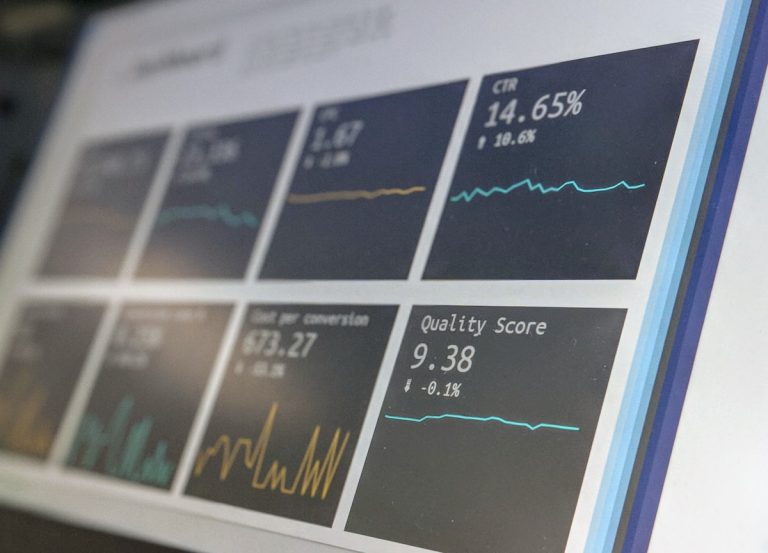
Why Traditional Rank Trackers Fall Short in the Age of AI Search
Every ambitious digital marketer knows the feeling of logging into a standard keyword tracking tool every morning to check search rankings. Tools like Wincher have built solid reputations by offering straightforward ranking dashboards, basic competitor comparisons, and automated PDF reporting. They show you where your pages sit on Google search engine result pages (SERPs) and highlight when positions shift. However, merely looking at a graph of position changes does not actually grow your business. You are still left with the heavy lifting: interpreting data, researching missing terms, rewriting underperforming copy, and guessing how to fix sudden traffic drops.
The digital landscape is changing fast. Search engines are no longer just lists of ten blue links: they are interactive, powered by artificial intelligence, and tailored to hyper-local user intent. Relying solely on passive rank monitors leaves small to medium enterprises, startups, and lean marketing teams trapped in endless operational details. To gain a real edge, modern brands must move beyond static tracking software and adopt proactive platforms that monitor performance around the clock while executing needed content optimizations automatically.
The Limitations of Passive Rank Monitors
Platforms like Wincher do several things well. They provide clean visual dashboards, track local positions, and send daily alerts when your positions bounce around. If you need a simple tool to check where a few terms rank on Google, Wincher gets the job done without overwhelming technical clutter.
Yet, passive rank tracking software quickly reaches a ceiling when you try to scale your business organic traffic:
- Data without action: A traditional rank tracker alerts you when a position drops from position three to position nine, but it leaves you entirely on your own to figure out why or how to fix it.
- Manual execution overload: Identifying keyword gaps is only step one. You still need to manually draft content briefs, outline articles, and publish updates.
- Fragmented software stacks: Marketers often end up paying separate monthly fees for rank tracking, content optimization plugins, local search monitoring, and social media scheduling tools.
- Ignored AI search channels: Traditional trackers monitor classic Google SERPs, completely ignoring how your brand appears across AI summary platforms, chat interfaces, and Generative Engine Optimisation (GEO) ecosystems.
When you spend your entire working week jumping between scattered analytics dashboards, you spend less time on high-level strategic growth. If you want to scale your digital presence efficiently, you need SEO Automation that bridges the gap between analytics and real-world content publishing.
Understanding Generative Engine Optimisation (GEO)
Search engine optimization is no longer limited to standard keyword density and backlink profiles. Modern consumers increasingly ask conversational questions directly to AI platforms and voice assistants. Generative Engine Optimisation (GEO) ensures your brand is mentioned and recommended within these generated answers.
Traditional tracking setups were built for an older era of digital search. They treat search visibility as a fixed list of tracked terms. But when prospective buyers query AI search models for direct solutions, traditional rank trackers offer zero visibility into whether your brand is being cited.
By upgrading to a unified platform that continuously measures both standard SEO metrics and local GEO parameters, you keep your business visible wherever your prospects conduct research. You can actively Boost Local Search Rankings across distinct geographic target markets without buying multiple regional subscriptions.
Comparing Wincher and AI CMO: Passive Tracking vs Autonomous Marketing
To highlight the difference between classic monitoring tools and modern autonomous systems, consider how each approach handles common digital marketing tasks:
| Search Marketing Capability | Conventional Rank Tracker (e.g. Wincher) | AI CMO Autonomous Platform |
|---|---|---|
| Rank Tracking | Tracks daily positions on traditional SERPs | Tracks 24/7 positions across SEO and GEO AI channels |
| Competitor Analysis | Highlights rank gaps and Share of Voice metrics | Identifies content gaps and creates targeted copy automatically |
| Content Strategy | Provides manual AI outlines and keyword suggestions | Generates data-driven, fully optimized content strategies |
| Execution & Publishing | Manual (Requires external content writers) | Fully automated continuous publishing and optimization |
| Cost Structure | Subscription fees for data views only | Comprehensive automation replacing expensive agencies |
While Wincher offers useful basic rank tracking, AI CMO acts as a full-fledged digital marketing team working behind the scenes. Instead of spending money on agency retainers or wrangling multiple isolated tools, marketing teams can rely on a keyword tracking tool embedded inside a unified, hands-on automation system.
How AI CMO Automates Search Engine Visibility
AI CMO was created specifically to solve the resource constraints faced by small to medium businesses, startups, and busy agency teams. Rather than forcing you to act as a full-time data analyst, the platform handles operational intricacies while you retain total strategic control.
1. Continuous 24/7 Monitoring Across Search Engines and GEO Platforms
Instead of relying on occasional rank checks, AI CMO continuously audits your brand’s performance across search engines and AI answer engines. It tracks position shifts in real time and automatically identifies emerging keyword trends before your competitors catch on.
2. Autonomous Content Production and Optimisation
When a content gap or ranking opportunity is discovered, you do not need to spend hours writing drafts or briefing external freelancers. AI CMO crafts targeted, search-optimized articles directly aligned with your business offerings. It ensures your site regularly publishes fresh, helpful content that satisfies user search intent. To streamline your growth workflow today, you can easily Start Your SEO Autopilot and let AI handle content scheduling.
3. Hyper-Localised GEO Targeting
For businesses operating in specific geographic regions across Europe and globally, generic global keyword tracking is not enough. AI CMO adapts messaging and search strategies to target localized audiences, ensuring your brand stands out in location-based search queries and map listings. It lets you Enhance Your Local Visibility without manually managing separate regional campaigns.
4. Significant Cost and Overhead Reduction
Managing isolated software subscriptions for keyword tracking, site auditing, and content creation quickly becomes expensive. When you add external agency fees into the mix, operational budgets spiral out of control. AI CMO replaces this fragmented setup with a clear, user-friendly interface that dramatically reduces monthly overheads while delivering faster, measurable traffic growth.
Moving Beyond Dashboard Stress to Sustainable Organic Growth
Checking static dashboards every morning will not magically push your website to position one on search engines. Ranking growth requires consistent analysis, swift technical adjustments, and the regular publication of high-value content tailored to reader intent.
While traditional platforms like Wincher provide neat graphs for tracking rank updates, modern businesses require more than mere observation. By switching to an end-to-end autonomous marketing system, you turn passive rank data into active, continuous traffic growth.
Say goodbye to fragmented toolkits, opaque agency invoices, and manual optimization routines. Upgrade your workflow with a modern keyword tracking tool built into an all-in-one AI CMO platform, and give your brand the continuous online visibility it deserves.