Why Traditional Dashboards Fail Modern Marketers and How Automated Campaign Reporting Changes Everything
Modern digital marketing moves at a relentless pace, yet most reporting workflows remain stuck in the past. Marketers spend countless hours pulling static spreadsheets, copying metrics across fragmented tools, and trying to build presentable client updates. This manual overhead creates blind spots, slows down strategic adjustments, and hides critical growth opportunities. Embracing automated campaign reporting allows your business to centralise multi-channel metrics, eliminate tedious administrative chores, and gain instant clarity on performance without relying on expensive traditional agencies. To see how seamless data consolidation can transform your daily workflows, explore AI CMO: Unified AI Marketing Automation for Digital Growth.
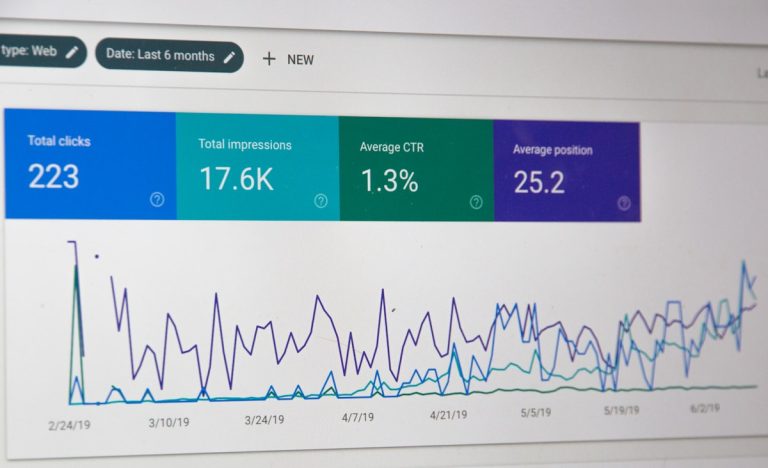
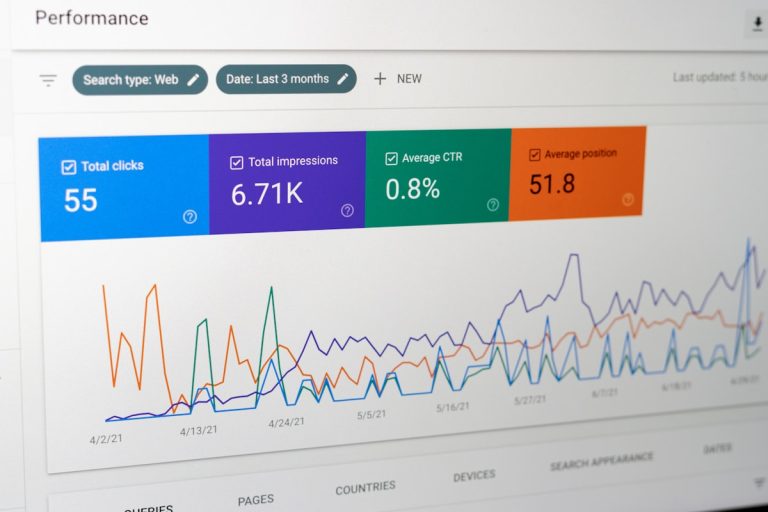
Instead of staring at disconnected charts, teams need actionable insights that directly fuel business strategy. Traditional dashboards simply display raw numbers without explaining why traffic shifted or where your next customer originates. By moving beyond basic visualisations and integrating real-time execution tools, small to medium enterprises (SMEs) and startups can maintain 24/7 visibility across search engines, social media platforms, and generative AI search platforms.
The Hidden Trap of Static Dashboards and Manual Data Gathering
We have all been there: it is Friday afternoon, and you have five different tabs open. One for Google Search Console, another for LinkedIn Ads, a third for Meta, and a couple of spreadsheets to stitch everything together. You copy numbers into a slide deck, fix formatting errors, and try to explain why conversions dropped by three percent.
This routine is not just boring; it is dangerous for your bottom line.
- Human Error: Manual copy-pasting inevitably introduces mistakes into executive decks.
- Delayed Decision-Making: By the time you spot a underperforming campaign, you have already wasted ad budget for weeks.
- Fragmented Context: Standard dashboards show isolated silos, missing the holistic customer journey across paid and organic channels.
- High Operational Overhead: Talented marketers end up acting as data entry clerks rather than strategic thinkers.
Traditional Business Intelligence (BI) platforms like Domo or Looker Studio offer custom visualisations, but they require constant maintenance and complex SQL queries. They tell you what happened last week, but they do not automatically execute fixes or rewrite copy to salvage a falling campaign.
Beyond Vanity Metrics: What Real Automated Campaign Reporting Looks Like
True automation is not just about scheduling an email PDF every Monday morning. It is about creating an intelligent feedback loop where data automatically triggers strategic actions.

When you upgrade your reporting stack with automated campaign reporting, your focus shifts from passive tracking to proactive optimization. Real-time data connectors pull metrics instantly across organic search, generative engine optimisation (GEO), and multi-channel paid media.
What Modern Teams Should Track
- Cross-Channel ROI: Understanding actual conversion paths across search, social, and referral platforms without manual deduplication.
- Organic Search Velocity: Tracking keyword trajectory daily so you can adapt search engine content before traffic drops occur. If you want to maintain organic dominance effortlessly, you can Start Your SEO Autopilot to keep rankings climbing round the clock.
- AI Search Visibility (GEO): Monitoring how conversational AI engines cite your brand when users ask direct recommendations.
- Content Efficiency: Identifying which published articles drive actual conversions so you can replicate high-performing topics.
The Rise of GEO and AI Search Optimization
Traditional SEO focuses on Google’s organic blue links. But modern consumers increasingly ask ChatGPT, Claude, and Perplexity for product recommendations. If your brand is not mentioned in these generative AI answers, you are invisible to a massive audience segment.
Tracking this new frontier requires specialized tools. Standard web analytics tools do not show how often an AI search model recommends your website.
By leveraging automated campaign reporting platforms built for modern digital landscapes, you can monitor your presence in generative search results alongside traditional search metrics. To ensure your business stays ahead in localized and generative search channels, take time to Master GEO Targeting with AI.
Comparing Reporting Tools: Traditional Dashboards vs. AI CMO
Many popular platforms offer bits and pieces of the reporting puzzle, but few unify analytics with direct operational execution.
| Feature / Tool | SEMrush / Ahrefs | HubSpot / Marketo | Traditional BI (e.g., Domo) | AI CMO |
|---|---|---|---|---|
| Primary Focus | SEO & Competitor Analysis | Inbound Marketing & CRM | Enterprise Visualisations | Unified AI Marketing Automation |
| Data Aggregation | Partial (SEO/PPC focus) | Internal Platform Focus | High (Requires custom setup) | Complete Cross-Channel Automation |
| Task Execution | Manual | Workflow Rules | None (Reporting only) | Fully Automated AI Operations |
| GEO Tracking | Limited | None | None | Integrated Real-time GEO Tracking |
| Affordability | High per-seat pricing | High enterprise cost | High setup costs | Cost-effective for SMEs & Startups |
While tools like SEMrush excel at keyword research and Moz tracks local backlinks, they stop at analysis. They leave you with a long list of recommendations to carry out manually. AI CMO bridges the gap between reporting and execution, functioning as a 24/7 digital team that tracks metrics and refines campaigns automatically. If you want to replace fragmented platforms with an all-in-one system, you can Automate Your SEO with AI today.
How AI CMO Replaces Opaque Agencies and Fragmented Tools
Small businesses and fast-growing startups often turn to digital agencies to handle multi-channel marketing and weekly performance updates. Unfortunately, agency arrangements frequently bring high monthly retainers, opaque reports, and sluggish communication.

AI CMO provides an intuitive, hands-on platform that puts you back in control. Here is how it reshapes operational workflows:
- Complete Transparency: Every metric is tracked in real-time, eliminating selective reporting.
- Dramatic Cost Savings: Eliminates the need for multiple specialized SaaS subscriptions and costly agency retainers.
- 24/7 Operations: AI systems do not log off at 5 PM on Fridays. Your SEO and GEO tracking run continuously.
- Data-Driven Execution: AI CMO analyzes incoming data and adjusts content strategies to target high-intent search queries.
By unifying analytics and execution, modern teams can pivot instantly based on live performance data. You can test new messaging, expand into local target markets, and evaluate results within weeks rather than waiting for quarterly reviews. To strengthen your brand’s presence in regional markets without extra agency fees, explore how to Enhance Your Local Visibility.
Actionable Steps to Automate Your Marketing Stack Today
Ready to move beyond manual spreadsheet building? Transitioning to an automated reporting ecosystem is straightforward when approached systematically.
Step 1: Audit Your Current Metrics
Identify which reports take up the most time each week. Are you spending hours aggregating paid ad metrics, or manually checking local search rankings? Prioritise automating the most repetitive manual tasks first.
Step 2: Consolidate Your Tooling
Instead of subscribing to separate platforms for social scheduling, SEO audits, local rank tracking, and visual reporting, select an integrated solution. Simplifying your tech stack reduces subscription costs and minimizes sync errors between APIs.
Step 3: Implement Continuous Feedback Loops
Set up automated performance triggers. For instance, when a published article gains organic traction, your system should automatically repurpose key insights across social channels or expand on related search terms.
Streamlining Content Production with Real-Time Analytics
Reporting is only as useful as the strategy it informs. When automated campaign reporting flags a high-potential content topic or a sudden shift in search intent, your team must react quickly.
AI CMO integrates continuous data tracking directly with automated content creation tools. When search metrics reveal emerging queries in your industry, the system can draft fully optimised, highly tailored blog content instantly. This ensures your brand consistently publishes targeted, high-quality messaging that resonates with your audience and satisfies search algorithms.
To see how centralized intelligence elevates your overall digital presence, discover how AI CMO: Unified AI Marketing Automation for Digital Growth simplifies daily operations.
Conclusion: Take Control of Your Growth
Relying on traditional dashboards and manual spreadsheet creation wastes valuable time and hides critical growth opportunities. Modern marketing teams require real-time visibility, unified data tracking, and intelligent automation that turns passive numbers into strategic execution.
By moving beyond standard metrics, you can streamline your workflows, track performance across organic and AI-driven search platforms, and eliminate the heavy retainers of external agencies.
Take the leap towards intelligent digital management today. Boost Your Search Rankings Now and discover how effortless AI CMO: Unified AI Marketing Automation for Digital Growth makes campaign management and reporting.