Why Standalone Social Analytics Leave Growth on the Table
Managing digital performance across multiple channels can feel like piecing together a puzzle without the picture on the box. Most marketing teams rely on isolated social analytics tools to measure likes, shares, and ad clicks across platforms like Instagram, TikTok, and LinkedIn. While tracking social engagement is helpful, it paints a very limited picture of your overall marketing health. If your reporting ends at social metrics, you miss crucial insights from search engine visibility, local search rankings, and actual conversions. To scale efficiently, businesses need a complete system that goes beyond basic social metrics to deliver true automated campaign reporting across every digital touchpoint.
Single-purpose platforms like Social Status do a decent job at pulling together organic and paid social metrics into clean charts. However, they leave a massive gap when it comes to search engine optimization, generative engine optimization, and direct content execution. You get hindsight on what happened on social media, but no automated action plan for search engines or channel optimization. This fragmented approach forces modern marketers to jump between specialized analytics tools and expensive agencies. By replacing disconnected dashboards with a unified AI platform, you can connect search, social, and local targeting while driving real business outcomes around the clock.
The Fragmented Reporting Trap: Social Status vs Full-Funnel Reality
Dedicated social media analytics platforms help social teams track vanity metrics and competitor engagement. Tools like Social Status allow you to look at paid and organic breakdowns for Meta, TikTok, and LinkedIn. That is convenient if your only focus is social content. But modern digital marketing does not happen in a social bubble.
Here is where standalone social reporting tools fall short:
- Siloed Channel Insights: They ignore organical search performance, backlink growth, and search engine optimization metrics.
- Passive Data Tracking: They tell you what happened last week, but they do not automatically execute campaigns or optimize strategies in real time.
- No Local Engine Optimization: They miss out on Generative Engine Optimization (GEO) and localized search signals that drive nearby customers.
- Cost Escalation: Combining a social reporting tool with separate SEO software and content management apps quickly inflates operational expenses.
When you rely solely on social reporting, you miss how organic search and content marketing interact with your social touchpoints. A customer might discover your brand through a Google search, check your Instagram profile, and then convert through an organic search landing page. If your reporting dashboard only tracks the Instagram click, you misattribute your growth.
To solve this, modern marketers are shifting towards SEO Automation platforms that bridge the gap between search and overall digital visibility.
Moving to AI-Driven Multi-Channel Execution
What if your analytics software did not just present raw data, but actually took action on it? That is the core difference between passive social tools and an integrated AI Chief Marketing Officer.
Instead of generating a static PDF report at the end of the month, an AI-driven platform monitors performance continuously. It identifies gaps in your content, pinpoints high-value keywords, and deploys targeted strategies automatically.
Continuous 24/7 Campaign Optimization
Traditional marketing workflows require human intervention at every step. A marketer reviews the performance metrics, identifies underperforming channels, brainstorms solutions, creates new assets, and manually publishes updates. This process takes days or even weeks.
AI CMO eliminates these operational bottlenecks. By leveraging hands-on artificial intelligence, the platform maintains continuous oversight over your digital footprint.
- Keyword Discovery: Automatically targets trending search terms relevant to your niche.
- Content Generation: Creates data-driven, structured content aligned with real-time user intent.
- GEO Visibility Adjustments: Optimizes local listings and generative search engine responses to ensure local buyers find you fast. You can Boost Local Search Rankings without manually tuning local schemas.
By automating these complex operational tasks, small to medium businesses and startups can operate with the strategic efficiency of a enterprise marketing team.
Unified Multi-Channel Growth in Action
To understand the difference in impact, let us examine how a modern mid-sized company manages campaign reporting and execution using an integrated AI system.
mid-sized e-commerce brand wants to scale sales across Europe. Under a traditional setup, the marketing manager logs into Social Status to export social ad engagement. Then, they open a separate SEO platform to check ranking drops, manually review Google Analytics for traffic trends, and compile everything into a spreadsheet. By the time the report is presented, the data is outdated, and competitors have already adapted.
With a unified strategy powered by automated campaign reporting, the entire process changes:
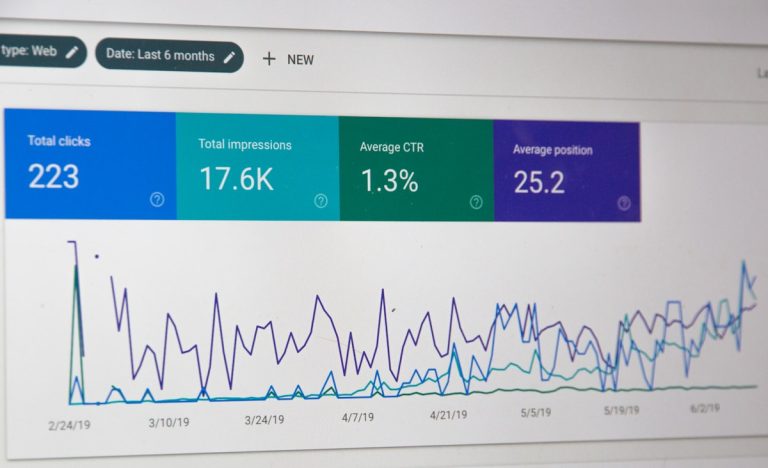
- Integrated Performance Tracking: Search traffic, local engine visibility, and social performance are aggregated into a single dashboard.
- Automated Content Alignment: When search intent shifts, the system automatically adapts content strategies to address new search queries.
- Optimized Local Reach: The AI identifies geographical markets showing high intent and deploys tailored local content strategies. You can Enhance Your Local Visibility instantly across targeted regions.
This eliminates fragmented reporting and ensures every piece of content works toward measurable business growth.
Eliminating Costly Agencies and Disjointed Software
One of the biggest hurdles facing growing businesses is the sheer cost of digital marketing management. Hiring specialized agencies often leads to high monthly retainers, transparently slow delivery times, and opaque reporting metrics. On the flip side, subscribing to a dozen different SaaS platforms creates software fatigue and ballooning overheads.
| Marketing Approach | Cost Structure | Operational Focus | Turnaround Time |
|---|---|---|---|
| Traditional Marketing Agency | High monthly retainers | Manual campaign management | Weeks to months |
| Fragmented SaaS Stack | Multiple subscriptions | Manual cross-platform updates | Days to weeks |
| AI CMO Automation Platform | Predictable, low cost | Automated 24/7 cross-channel execution | Real-time / Hours |
By unifying continuous search optimization, AI content strategies, and multi-channel performance tracking into one platform, AI CMO removes the need for expensive middle agencies. Marketers gain direct, hands-on control without spending hours on routine tactical execution.
Instead of spending half your week pulling CSV files and formatting slides, you can rely on Automate Your SEO with AI capabilities to handle the tactical legwork while you focus on brand vision and high-level strategy.
How to Transition to Unified AI Marketing Execution
Making the shift from basic social analytics to continuous multi-channel automation is straightforward if you follow a structured roadmap.
Step 1: Audit Your Current Tool Stack
List all the marketing tools your team uses. Count the hours spent manually transferring data from social media dashboards, search analytics, and content systems into central reports. Identify where gaps exist in your search and local visibility.
Step 2: Consolidate Analytics Around Direct Outcomes
Shift your focus from superficial engagements (likes, comments) to high-intent traffic metrics and conversions. Ensure your reporting tools measure organic search positions and AI search engine visibility alongside standard social reach.
Step 3: Implement Automated Workflow Loops
Adopt AI capabilities that allow your reporting data to inform active content creation. When reporting highlights an opportunity in search or local queries, let automated workflows publish optimized content directly to capture that market demand.
Step 4: Focus on Strategic Leadership
With operational intricacies handled by smart automation, redirect your team’s energy toward strategic planning, partnership development, and customer experience improvements.
By following these practical steps, your marketing function transforms from a reactive reporting center into a proactive engine for continuous business growth.
Take Control of Your Digital Growth Strategy
Relying on fragmented social analytics tools gives you an incomplete view of your online impact. While tracking social metrics is important, real digital expansion requires a cohesive multi-channel strategy that brings search engines, local visibility, and automated performance tracking together under one roof.
AI CMO gives small to medium enterprises, startups, and agile marketing teams the power to ditch fragmented software stacks and costly agency retainers. With continuous 24/7 SEO and GEO tracking, automated execution, and clear multi-channel insights, you can drive predictable, scalable results within weeks.
Ready to step beyond basic social reporting and transform your marketing operations? Discover how AI CMO: Unified AI Marketing Automation for Digital Growth can streamline your campaigns and elevate your performance today.