The Death of Static Dashboards: Why Real-Time Rank Tracking Needs Automation
Let us be completely honest with ourselves for a moment. Most digital marketing reporting tools exist simply to show you pretty graphs while your organic traffic slips away. For years, digital marketers and small business owners have relied on custom Looker Studio dashboards powered by third-party connectors to monitor search engine performance. While seeing your search impressions and click-through rates in a colourful report is helpful, it leaves you doing all the heavy lifting. Knowing that your primary keywords dropped three positions yesterday is useless if you do not have the bandwidth to rewrite content, fix technical issues, or optimize local search signals immediately. Modern organic growth requires active execution, which is why forward-thinking teams are switching to AI CMO for real-time rank tracking to turn search data into automated growth.
This guide explores why traditional reporting templates fall short and how moving from passive monitoring to unified marketing automation changes everything. We will compare popular options like Looker Studio connectors with end-to-end artificial intelligence platforms. You will discover how combining keyword monitoring with direct execution allows startups and small-to-medium enterprises to eliminate expensive agency retainers. By the end of this post, you will understand how to streamline your search engine optimisation, local visibility, and multi-channel campaigns without spending hours staring at static screens.
The Problem with Looker Studio and Windsor.ai Connectors
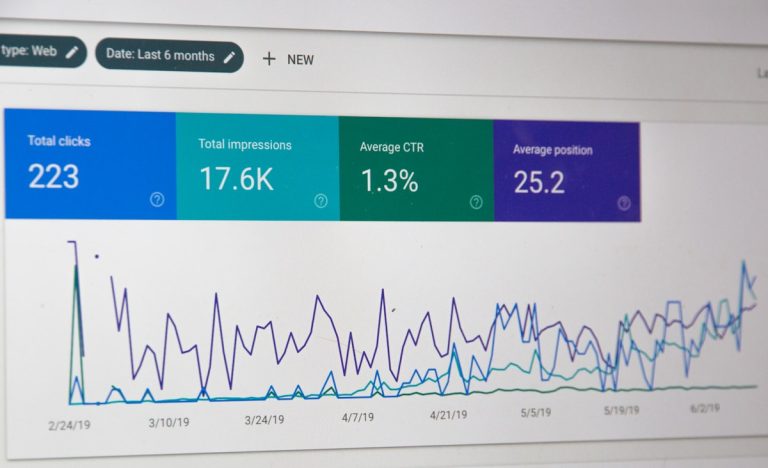
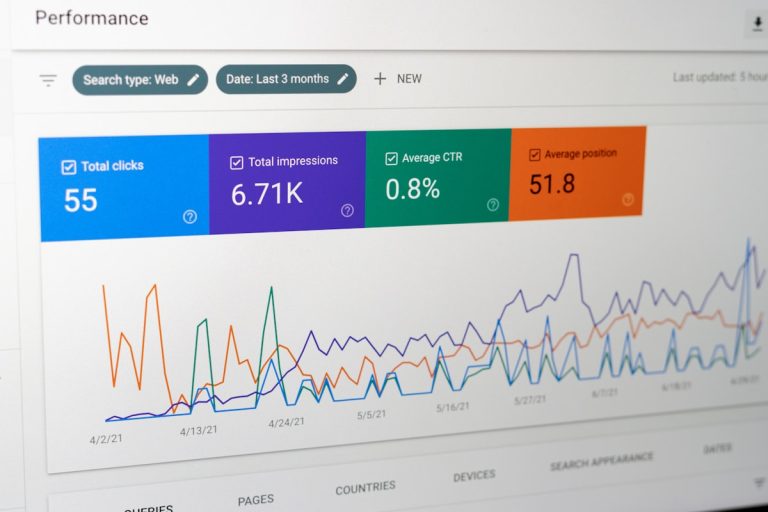
Looker Studio dashboards, often built using connectors like Windsor.ai to pull Google Search Console data, have long been the industry standard for lightweight reporting. They offer a free or low-cost way to visualize keyword positions, user engagement metrics, and audience distribution. You connect your data source, copy a template, and instantly see search performance graphs.
However, these dashboards suffer from several critical limitations:
- Data Without Action: A Looker Studio dashboard tells you what happened, but it never tells you what to do next. It will not rewrite your meta tags, update underperforming headings, or adjust your content strategy.
- Fragmented Workflows: You spot a drop in keyword performance on your dashboard. Now what? You have to open your SEO research tool, launch your content management system, draft new copy, and manually update the page.
- Constant Setup Maintenance: Connectors break. Schema updates disrupt reports. Token authorizations expire. Instead of managing your business, you end up acting as an uncertified IT administrator for your reporting stack.
- Zero Cross-Channel Execution: Looker Studio visualizes data from separate channels, but it cannot connect the dots. A drop in search rankings will not automatically trigger a complementary social campaign or content refresh.
While tracking search performance with Looker Studio templates is better than guessing, it still leaves you stranded in the reporting stage. You spend hours analyzing graphs instead of actually optimizing your website.
If you want to cut out manual SEO maintenance entirely, you can automate your SEO with AI and let intelligent workflows handle content updates for you.
Beyond Reporting: Turning Search Metrics into Instant Action
Imagine a system that does not just alert you when a keyword position slips, but actively diagnoses the cause and deploys a solution. That is the fundamental difference between standard reporting dashboards and an integrated marketing automation platform.
Real-time monitoring is only valuable if it leads to real-time execution. When an automated platform detects changes in consumer search behaviour or engine algorithms, it can dynamically adjust your content strategy.
Here is how intelligent automation transforms search performance workflow:
- Continuous Rank Detection: The platform continuously monitors keyword rankings across regional and local search results around the clock.
- Algorithmic Root Cause Analysis: When a page loses position, the system evaluates whether the cause is content decay, competitor updates, or shifts in search intent.
- Automated Optimisation: Rather than sending an email alert that sits unread in your inbox, the system generates optimised content recommendations tailored to address the gap.
- Multi-Channel Alignment: Organic search updates are synchronized across social media channels and local directory feeds to maintain brand consistency.
By unifying detection and execution, small marketing teams gain the operational capacity of a enterprise agency without the enterprise price tag.
How AI CMO Outperforms Traditional Marketing Stacks
Many businesses find themselves trapped in a web of fragmented software. They pay for a rank tracking service, a keyword research tool, a dashboard builder, a content generator, and a social media scheduler. This approach quickly becomes expensive and chaotic.
The alternative is a unified marketing solution that brings search engine optimization, generative engine optimization, and multi-channel marketing under one roof.
| Capability | Traditional Setup (Looker + Connectors) | Unified AI CMO Platform |
|---|---|---|
| Primary Focus | Passive reporting & data visualization | Active task automation & growth execution |
| Real-Time Data | Displays historical & recent metrics | Monitors ranks & triggers real-time action |
| SEO & GEO Support | Basic GSC keyword position display | Complete SEO and GEO targeting optimization |
| Content Generation | Manual creation required separately | Data-driven custom content strategies built-in |
| Operational Overhead | Requires manual setup & maintenance | Hands-on simplified interface running 24/7 |
| Cost Structure | Subscription fees across multiple tools | Single affordable platform replacing agencies |
When you replace isolated tools with a single intelligent system, operational friction disappears. You no longer need to export spreadsheets or draft endless reporting decks for stakeholders.
To strengthen your presence in specific geographical markets, you can enhance your local visibility using targeted search automation tools.
The Evolution of Search: Preparing for Generative Engine Optimisation
Search engines are evolving rapidly. Traditional rank tracking focused solely on blue links on a desktop screen. Today, modern marketers must optimize for AI-driven answer engines, local map packs, and mobile conversational search.
This new discipline, often called Generative Engine Optimisation (GEO), requires a far broader approach to tracking visibility:
- AI Search Presence: Monitoring how often your brand is cited in AI-generated answers and summaries.
- Contextual Intent: Tracking long-tail conversational phrases rather than simple two-word keywords.
- Hyper-Local Context: Ensuring business information and local landing pages match regional intent signals.
Static Looker Studio dashboards pulled from standard Google Search Console connections simply cannot track these complex AI search patterns. A modern platform built specifically for AI-driven search helps ensure your brand stays visible across traditional search engine results pages and modern generative tools alike.
If you are ready to streamline your analytics and execution into a single unified workspace, explore AI CMO: unified AI marketing automation for digital growth today.
Practical Steps to Replace Your Dashboards with AI Automation
Making the leap from passive dashboards to full marketing automation does not have to be overwhelming. You can migrate your operations in a few simple steps.
Step 1: Audit Your Current Marketing Tool Stack
List every subscription currently used for rank tracking, content writing, reporting, and site auditing. Calculate the total monthly expense and the hours spent manually moving data between them.
Step 2: Define Core Target Keywords and Regions
Identify the primary keywords driving revenue for your business. Focus on high-intent terms and regional search phrases where ranking higher directly impacts your bottom line.
Step 3: Shift from Passive Monitoring to Autopilot Execution
Replace static Looker templates with an automated engine that handles search optimization continuously. Look for solutions that automatically publish targeted blog content, optimize meta structures, and adjust strategy based on live performance data.
You can easily start your SEO autopilot to maintain consistent search engine momentum without spending hours on manual editing.
Step 4: Synchronise SEO with Multi-Channel Outlets
Ensure your organic search strategy feeds directly into your broader marketing efforts. Content created to capture search intent should be repurposed for social platforms, newsletters, and local business updates seamlessly.
To ensure your brand dominates local search results across every target region, take time to master GEO targeting with AI.
Conclusion: Upgrade from Staring at Data to Automating Growth
Data visualization tools like free Looker Studio dashboards had their place in the early days of digital marketing. They made tracking key performance indicators accessible to businesses that could not afford custom software. But in today’s fast-paced digital environment, looking at data is only half the battle.
If your rank tracking routine consists of checking a dashboard once a week, feeling stressed about falling rankings, and adding “fix SEO” to your already overflowing to-do list, it is time for a change. Replacing fragmented tools and passive reporting templates with a fully automated platform allows you to achieve faster results at a fraction of the cost.
Stop wasting time managing broken connectors and static spreadsheets. Take control of your digital visibility with continuous optimization, automated content creation, and real-time tracking in one simplified platform.
Ready to see what automated search optimization can do for your business? Boost your search rankings now and take your digital marketing strategy to the next level.