The Reality of Modern Marketing: Stop Editing Config Files and Start Scaling
If you have ever tried setting up enterprise marketing tech stack operations, you know the drill. You spend weeks reading technical documentation, editing XML configuration files, adjusting server roles, and trying to get disparate analytics services talking to each other. Traditional enterprise platforms force teams to jump through absurd technical hoops just to track basic user journeys or automate simple email triggers. Marketing shouldn’t require a master’s degree in systems administration. In an era where agility determines success, relying on manual configurations holds your business back while costs keep mounting.
True growth requires scalable marketing automation that works instantly out of the box without requiring specialized engineering teams or expensive agencies. When you replace rigid, manual tools with modern, artificial intelligence platforms, your entire growth strategy shifts from operational maintenance to direct execution. Businesses no longer need to burn hours tinkering with server settings or managing fragmented software subscriptions. Instead, an integrated AI platform continuously optimizes your search rankings, local visibility, and multi-channel messaging, letting you achieve rapid brand growth with total transparency.
Why Manual Marketing Architectures Fail Growing Businesses
Let’s look at how traditional enterprise suites handle marketing operations. Take platforms like Sitecore XP as an example. To enable basic operations, developers must install Web Deployment Packages (WDP), navigate file paths, and manually edit XML configuration files like sc.XConnect.Collection.Initialize.xml or sc.XConnect.MarketingAutomation.Operations.Web.Initialize.xml. You literally have to remove .disabled suffixes from server files just to turn on tracking features.
That might make sense for massive conglomerates with dedicated IT departments, but for small to medium enterprises (SMEs) and ambitious startups, it is a complete growth killer. Here is why the old way breaks down:
- Massive Overhead Costs: You end up paying huge agency fees or hiring specialized developers just to maintain software configurations.
- Slow Time-to-Market: Launching a new marketing workflow or SEO campaign takes weeks of technical preparation rather than minutes.
- Fragmented Tooling: You end up using one tool for email, another for keyword tracking, a third for content creation, and a fourth for local targeting. None of them talk to each other properly.
- Static Strategies: By the time your manual setup is finally operational, consumer trends have already moved on.
When your team spends more time managing software infrastructure than speaking to customers, your operational efficiency plunges. Modern teams need a streamlined solution that eliminates these technical hurdles entirely.
The AI CMO Difference: Instant Setup Meets Continuous Optimisation
Imagine taking all the complex infrastructure required for enterprise marketing operations and distilling it into an intelligent, user-friendly platform. That is precisely what AI CMO delivers. By shifting the heavy lifting from human operators to trained artificial intelligence models, you eliminate manual setups and high agency retainers.
Instead of hunting down server connection strings, you gain access to an autonomous platform that handles your digital presence 24/7.
1. Hands-Free SEO and GEO Operations
Search engine optimisation is no longer just about placing keywords on a page. Today, search engines and AI search platforms evaluate contextual relevance and geographical authority. Manual SEO management requires hours of weekly keyword research, competitor analysis, and site auditing.
AI CMO runs continuous search optimization in the background. It analyzes real-time performance data to generate targeted content strategies that rank effectively across both standard search engines and local AI discovery engines. If you want to bypass manual keyword spreadsheets and tedious content schedules, you can automate your SEO with AI and watch your organic search presence expand automatically.
2. Multi-Channel Execution Without the Fragmentation
Managing separate dashboards for social media, search engine management, content creation, and analytics creates data silos. Important insights get lost in transit. AI CMO unifies these channels into a single operational interface. The system adjusts your messaging dynamically based on live engagement data, ensuring your brand maintains a cohesive voice across every single customer touchpoint.
Comparing Enterprise Suites vs Integrated AI Marketing Automation
To understand why modern businesses are pivoting toward lightweight, autonomous platforms, let’s look at how traditional platforms stack up against AI CMO.
| Feature / Metric | Traditional Enterprise Suites (e.g., Sitecore, Marketo) | Fragmented SaaS Stack (Ahrefs, Mailchimp, Canva) | AI CMO Unified Automation |
|---|---|---|---|
| Setup Time | Weeks to months (requires developer resources) | Hours (requires manual integration setup) | Minutes (instant AI onboarding) |
| Technical Requirement | High (XML edits, server roles, custom code) | Moderate (API keys, manual workflow building) | Low (simple, intuitive web interface) |
| SEO & GEO Optimisation | Manual configuration required | Analytics only; no automatic execution | Continuous 24/7 autonomous execution |
| Operational Overhead | Extremely expensive (agencies + IT staff) | High (multiple monthly tool subscriptions) | Low (flat, affordable platform pricing) |
| Adaptability | Slow (requires custom engineering changes) | Manual adjustments per platform | Instant (data-driven real-time updates) |
As shown above, relying on disconnected tools or heavy enterprise setups slows down execution. By choosing scalable marketing automation, startups and growing teams can achieve the strategic firepower of a full marketing department at a fraction of the cost.
How to Transition to Instant AI Automation in 3 Simple Steps
Making the switch from tedious manual setups to continuous AI automation does not have to be stressful. You don’t need to migrate complex database schemas or spend weekends reading deployment manuals. Here is how modern marketing teams migrate their operations smoothly:
Step 1: Centralise Your Core Business Intelligence
Instead of configuring dozens of standalone web services, simply feed your core business details, target keywords, and primary offerings into the AI platform. The system instantly analyzes your market niche, audits your current online footprint, and establishes a performance baseline.
Step 2: Activate Autonomous SEO and Local Visibility
Once your profile is active, the system begins building out dynamic content and search strategies tailored to your exact target region. Whether you are aiming to capture nationwide search traffic or dominate hyper-local search intent, the AI manages targeting parameters effortlessly. Businesses looking to gain an immediate advantage in local search rankings can master GEO targeting with AI to ensure regional buyers find them first.
Step 3: Monitor Real-Time Dashboards and Scale
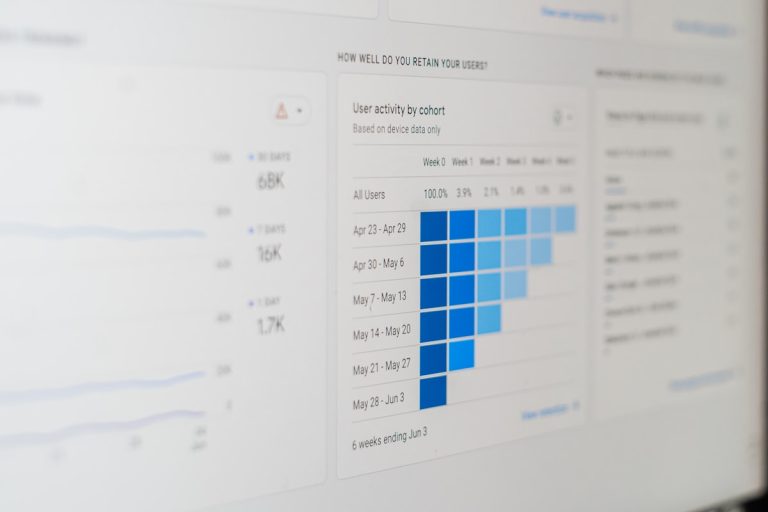
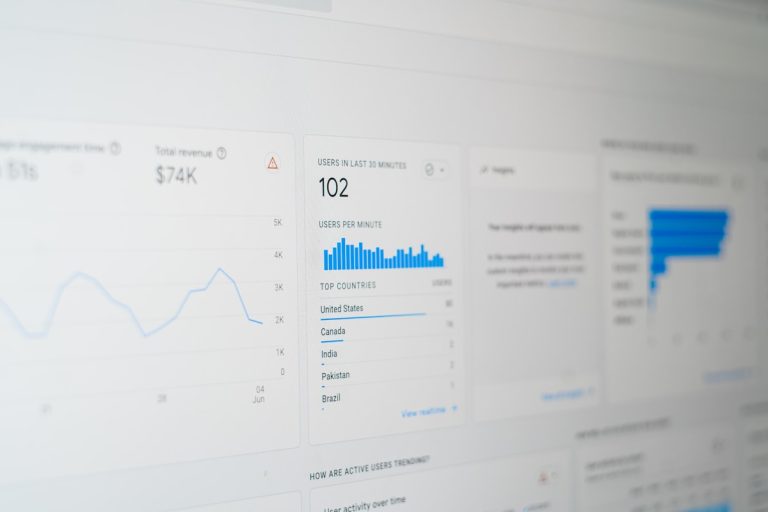
With routine operational tasks fully automated, your team shifts from administrative maintenance to high-level strategic decisions. You can check your dashboard to review traffic growth, track keyword climbs, and watch brand visibility metrics improve in real time.
Conquering Local and Search Engine Visibility Simultaneously
One major drawback of traditional SEO software is its failure to account for local context. Standard tools offer keyword metrics, but they leave the hard work of regional adaptation up to you. For businesses operating across European markets or target sub-regions, manual regional customization quickly becomes an operational nightmare.
AI CMO tackles local discovery head-on through smart Generative Engine Optimisation (GEO). The platform ensures your brand appears prominently not just on traditional search results pages, but also within modern AI search assistants and conversational discovery platforms.
By unifying search engine optimisation with geography-based targeting, your marketing engine runs at peak efficiency. You reach qualified customers at the exact moment they express purchase intent, without needing to maintain dozens of regional landing pages manually. To strengthen your local digital footprint today, make sure to enhance your local visibility using smart algorithms designed for localized growth.
Focus on Strategy, Let AI Handle the Execution
Marketing tech stacks were originally created to save us time. Yet, over the last decade, traditional platforms have become so complex that managing the software takes more effort than actually marketing the business.
It is time to drop the enterprise bloat. You do not need to install complex WDP packages, edit system XML files, or manage ten different software subscriptions just to grow your brand online.
AI CMO represents a paradigm shift in how digital marketing gets done. By combining search engine optimisation, localized target visibility, and multi-channel marketing into one intuitive dashboard, it gives small businesses and marketing teams a genuine competitive edge. You save money, save time, and achieve measurable traffic improvements within weeks.
Ready to leave complex setups behind and transform your digital reach? Explore AI CMO unified marketing automation today and start growing your business automatically.