Stop Chasing Green Scores: The Real Secret to Scalable Traffic
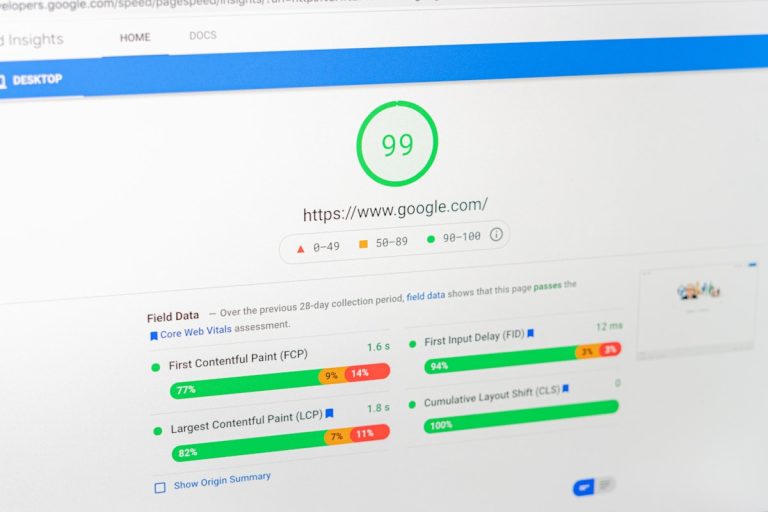
Most website owners love looking at green speed scores. You run a quick test using open source developer tools like Google Lighthouse, get a score of 95, and feel like a digital marketing genius. But then you look at your sales conversion dashboard, and the numbers are flat. That is because basic developer diagnostics only inspect code efficiency on a single page in a isolated sandbox. They tell you if a script loads fast, but they do not tell you why your targeted search engine traffic is stalled or why local customers cannot find your brand. To scale a modern enterprise, you need fully automated SEO audits that bridge the gap between technical web performance and real commercial revenue.
Traditional diagnostics operate like a vehicle check that only inspects the tyre pressure while ignoring the engine, the navigation system, and the fuel tank. Modern digital growth requires a holistic view across search engine optimisation, Generative Engine Optimisation (GEO), and multi-channel content strategy. By upgrading from isolated developer checks to integrated AI-driven diagnostics, marketing teams can continuously spot broken user journeys, correct metadata flaws, and seize high-converting keyword opportunities around the clock.
Why Open Source Developer Diagnostics Fall Short for Marketing Teams
Developer tools like Google Lighthouse are undeniably great at what they were built for. They give engineers a raw snapshot of technical performance, accessibility standards, and basic web best practices. If you pass a URL through a command-line interface or Chrome DevTools, you get precise diagnostic metrics on DOM size, render-blocking resources, and JavaScript execution.
However, developer tools have clear boundaries that limit their usefulness for business growth:
- Isolated Single-Page Audits: They evaluate one URL at a time. If your online store has five thousand product pages, checking them manually is an operational nightmare.
- Lack of Commercial Context: A page might load in sub-second time, but if the content lacks commercial intent or fails to target profitable keywords, that speed adds zero value to your bottom line.
- No Continuous Execution: Command-line scripts require manual trigger commands or complex continuous integration setups. They do not automatically fix technical flaws or continuously adjust your strategy when search engine algorithms change.
- Blind to Modern AI Search Engines: Traditional technical metrics do not track how generative engines like ChatGPT, Google Gemini, or Perplexity parse and recommend your business.
To overcome these roadblocks, ambitious brands are pivoting toward proactive SEO Automation platforms that monitor, analyze, and execute optimizations continuously across entire domains.
The Pivot to AI-Driven Automated SEO Audits
What separates a standard health check from an audit that actually drives revenue? Intelligence and continuous execution.
When you run automated SEO audits through an integrated system like AI CMO, you are not just fetching a static PDF report that gathers digital dust in a developer folder. You are turning on an active intelligence loop that connects technical health directly to content production and conversion strategies.
From Technical Metrics to Revenue Opportunities
Consider a common scenario: a fast-growing startup launches a new product line. A typical technical scanner might flag a missing meta description or an uncompressed image. That is helpful, but basic.
An intelligent AI engine goes several steps further:
- Contextual Keyword Analysis: It detects missing semantic keywords across the page hierarchy.
- Intent Matching: It verifies whether your landing page structure aligns with what modern buyers are actually searching for today.
- Automated Content Adjustments: Instead of just sending an alert saying “meta tag missing,” the platform drafts contextually accurate, optimized tags immediately.
By connecting technical diagnostics directly to content execution, you eliminate the delay between identifying a flaw and publishing a fix. If you want to streamline this entire workflow without hiring an expensive agency, you can Start Your SEO Autopilot and let AI handle the heavy lifting day and night.
Unifying Technical SEO and GEO (Generative Engine Optimisation)
Search is no longer confined to a simple list of ten blue links. Today, prospective buyers ask AI assistants for recommendations, local service evaluations, and product comparisons. If your brand relies exclusively on traditional search engine tactics, you are missing half the modern buyer journey.
Generative Engine Optimisation (GEO) focuses on ensuring your brand is cited and recommended inside conversational AI responses. Standard developer tools simply cannot audit your GEO footprint because they do not track unstructured text comprehension or entity relationships across the web.
AI CMO integrates continuous GEO analysis into your ongoing technical checks. It audits whether your site structure, structured data schema, and semantic depth are configured in a way that allows AI models to understand your value proposition clearly. To capture local customers who rely on conversational search, modern teams Master GEO Targeting with AI to stay ahead of regional competitors.
Comparing Diagnostic Approaches: Dev Tools vs. AI CMO
To understand why traditional tools fall short for business growth, let us compare command-line developer scripts with a fully automated AI marketing platform:
| Evaluation Feature | Basic Dev Tools (e.g. Lighthouse CLI) | Integrated Platform (AI CMO) |
|---|---|---|
| Primary Focus | Front-end page performance & code efficiency | Continuous SEO, GEO, & Revenue Growth |
| Audit Scale | Single page per manual run | Entire multi-channel domain automatically |
| Execution Method | Manual CLI or browser DevTools panel | 24/7 background AI automation |
| Actionability | Technical diagnostic list for developers | Instant automated content and tag fixes |
| GEO Tracking | Not supported | Full AI search engine visibility monitoring |
| User Interface | Technical reports and JSON dumps | Simple, non-technical executive dashboard |
| Cost Efficiency | Free, but high manual developer labor costs | High ROI, eliminates expensive agencies |
When you stop treating performance checks as a periodic developer chore and start viewing them as an integrated marketing operations engine, your entire team moves faster. You can evaluate your current baseline and Automate Your SEO with AI to keep your digital channels aligned with search guidelines.
How to Build a Growth-Focused Audit Workflow
Transitioning to automated SEO audits does not mean discarding technical metrics altogether. It means placing those metrics into a streamlined, high-impact workflow. Here is how modern businesses structure their auditing pipeline for continuous expansion:
Step 1: Establish Automated Domain Crawling
Instead of running manual checks once a month, set up system-wide crawling that monitors your web pages in real time. This ensures that broken links, slow render speeds, or accidentally deleted canonical tags are detected immediately before they harm your search engine rankings.
Step 2: Audit Content Depth and Intent Simultaneously
Technical health is only half the battle. Your auditing workflow must inspect on-page content relevance. Are your targeted landing pages answering user search queries thoroughly? Are your calls to action visible above the fold on mobile screens? Automated platforms scan both text quality and technical structure at the same time.
Step 3: Implement GEO Visibility Auditing
Ensure your brand is positioned correctly for local and conversational search queries. Check if your business details, operating regions, and product specifications are cleanly structured for modern AI crawlers. You can easily Enhance Your Local Visibility by deploying AI systems designed to monitor regional search presence automatically.
Step 4: Automate Fixes and Strategy Updates
The biggest bottleneck in marketing is execution. When an audit discovers a thin content page or missing meta tags, relying on a developer queue can delay fixes for weeks. An integrated solution automatically generates optimized copy, updates missing tags, and recommends internal linking updates instantly.
The Cost Advantage: Replacing Fragmented Toolchains with AI CMO
Managing digital marketing across multiple fragmented tools is expensive and exhausting. Small to medium enterprises often find themselves paying separate subscription fees for:
- A technical site crawler
- A rank tracking service
- A local search management suite
- Content optimization software
- Manual agency retainers to pull it all together
This fragmented setup creates operational friction and wastes budget. AI CMO solves this challenge by combining 24/7 technical monitoring, GEO tracking, and multi-channel marketing automation into a single, user-friendly interface.
By removing costly third-party agency dependencies and eliminating manual operational tasks, businesses can reallocate resources toward product development and customer service while maintaining top-tier digital visibility.
Elevate Your Auditing Strategy Today
Relying solely on basic developer tools is like navigating a busy city using a static paper map from ten years ago. It might show you where the streets were, but it will not alert you to live traffic jams or open roads ahead.
Modern digital growth demands speed, context, and immediate execution. By deploying comprehensive automated SEO audits that continuously monitor your technical foundations, GEO presence, and content alignment, you equip your business with an unfair advantage in an increasingly competitive market.
Stop guessing why your traffic numbers fluctuate. It is time to replace fragmented developer reports with a unified marketing automation solution that works around the clock. Boost Your Search Rankings Now and let AI CMO streamline your path to predictable digital growth.