The Evolution of Marketing Automation: Why Traditional Tools Are Falling Short
Managing digital growth today is proper hard work. Most small businesses, startups, and growing marketing teams end up trapped in a cycle of paying thousands of pounds to agencies or juggling a dozens of fragmented software tools. You buy one platform for email, another for keyword analytics, a third for social media scheduling, and a fourth for local listings. The result? Escalating operational expenses, disconnected data, and a massive loss of time that should be spent on high-level business strategy. Modern teams do not just need simple task scheduling, they need true scalable marketing automation that seamlessly unifies operations, cuts agency dependence, and generates real results swiftly.
Traditional marketing automation setups were built for an older internet. They excel at sending basic drip email campaigns or scheduling social posts, but they leave heavy lifting like search engine optimization (SEO), generative engine optimization (GEO), and content execution strictly to manual labour. This leaves a massive capability gap. To maintain consistent online visibility across international and regional markets, modern businesses require continuous, data-driven optimization that operates 24/7 without needing an army of consultants.
What Is Scalable Marketing Automation and Why Does It Matter?
Let us cut through the jargon. What does scalability actually mean in digital marketing?
It means your marketing engine handles double, triple, or ten times the workload without forcing you to double your headcount or agency retainers. If your lead generation workflow breaks down the moment you enter a new market, your setup is not scalable.
When you deploy a robust marketing automation framework, you eliminate manual bottlenecks:
- Continuous Optimization: Your search strategies adapt in real time to search algorithm updates and shifting user intent.
- Cost Efficiency: You eliminate expensive retainers and reduce redundant SaaS subscriptions.
- Strategic Freedom: Your team focuses on big-picture creative direction while technology handles operational intricacies.

Evaluating the Top Marketing Automation Platforms
To understand why a unified approach changes the game, let us objectively analyze how established tools perform and where they fall short for modern growth teams.
1. SEMrush & Ahrefs
Both platforms offer exceptional analytics, backlink tracking, and organic keyword databases. They are brilliant diagnostic tools. However, diagnostics are only half the battle. They tell you what is wrong, but they do not execute the fix for you. You still have to spend hours researching, writing, optimizing, and publishing content manually.
2. HubSpot & Marketo
HubSpot and Marketo are enterprise heavyweights. They provide robust CRM workflows, lead scoring, and multi-step contact nurture paths. The downside? Their price tags can be eye-watering for small to medium enterprises. Furthermore, while they manage lead relationships well, they lack deeply integrated, automated search engines and local visibility optimization features out of the box.
3. Mailchimp & GetResponse
Great for email newsletters and landing pages, but severely limited when you need multi-channel authority. They do not optimize your web content for modern AI engines or drive localized search rankings.
Why AI CMO Stands Out as the Premier Solution
While traditional tools focus on isolated channels or pure analytics, AI CMO brings an innovative paradigm shift to digital growth. It acts as an artificial intelligence marketing officer that connects search visibility, local optimization, and content strategy into a single hands-on interface.
Instead of paying massive fees to external agencies, you can automate your SEO with AI to keep your search performance running continuously in the background.
Here is how AI CMO directly solves the biggest growth hurdles:
Unified Multi-Channel Execution
Instead of logging into five different dashboards every morning, AI CMO provides a single, unified system. It aligns your core content strategy across organic search, localized discovery engines, and digital channels without the friction of context-switching.
Real-Time 24/7 SEO and GEO Optimization
Traditional SEO requires constant manual audits, keyword mapping, and meta tag updates. AI CMO handles 24/7 real-time tracking and continuous search engine optimization.
What is more, it natively incorporates Generative Engine Optimization (GEO). As modern consumers shift from standard search bars to AI-powered answers, your brand needs to be cited directly inside AI search results. If you want to expand your reach locally or regionally across Europe and beyond, you can master GEO targeting with AI to capture high-intent search traffic effortlessly.
Midway through your growth journey, taking advantage of scalable marketing automation ensures your brand stays visible regardless of how search technology evolves.
Key Features to Look For in Modern Automation Tools
When comparing software options for your business, evaluate tools based on these essential capabilities:
- Ease of Use: If a platform requires three months of specialized training to set up, it is a liability. Look for clean, intuitive user interfaces.
- Autonomous Content Strategy: The system should generate data-driven content recommendations tailored specifically to your target audience’s search habits.
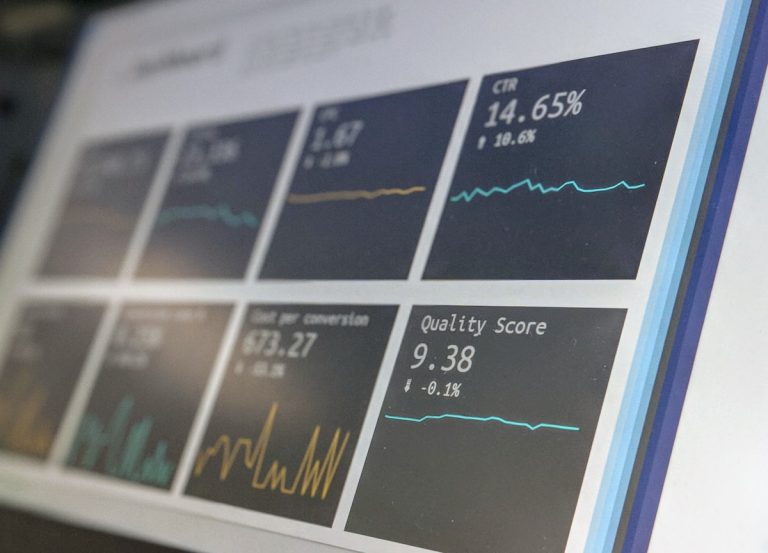
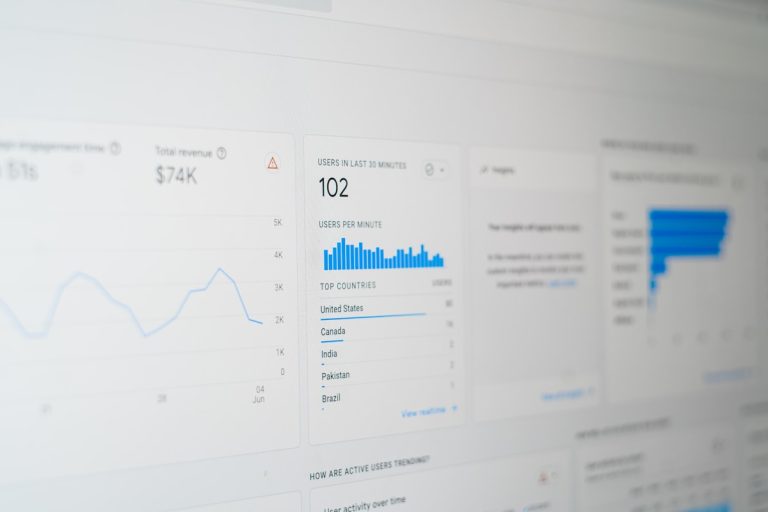
- Real-Time Analytics: Static monthly PDF reports belong in the past. You need real-time dashboards that show instant traffic trends and visibility metrics.
- Local and Global Adaptability: Whether you are targeting buyers in London, Berlin, or globally, your tool must adjust keyword targeting based on geographical intent.

Strategic Action Plan: How to Implement Automation in 4 Steps
Ready to streamline your digital strategy? Follow this simple implementation path:
Step 1: Audit Your Current Marketing Stack
Identify every tool you currently pay for. Highlight overlapping subscriptions, underutilized features, and high agency invoices.
Step 2: Consolidate Your SEO and Content Operations
Stop separating keyword research from content creation. Use intelligent automation to discover traffic opportunities and execute targeted content strategies automatically. You can start your SEO autopilot to eliminate manual writing and optimization headaches.
Step 3: Optimize for AI Discovery and Local Search
Ensure your platform covers both traditional search engines and local GEO requirements. Enhance your local visibility to make sure customers in your target region find your business first.
Step 4: Focus on High-Level Strategy
With operational intricacies handled by automated workflows, redirect your team’s energy toward creative direction, customer experience, and strategic partnerships.
The Verdict: Selecting the Right Technology for Your Business
Choosing the best marketing automation tool ultimately comes down to your operational goals. If you simply need basic email newsletter delivery, standard options like Mailchimp will suffice. If you require deep analytics and have a large team to execute campaigns manually, SEMrush or Ahrefs are solid additions.
However, if you are a small to medium enterprise, startup, or agile marketing team looking to eliminate fragmented tools, slash agency fees, and achieve measurable search visibility within weeks, AI CMO is clearly leading the way. By unifying continuous SEO, GEO targeting, and data-driven execution into a single, hands-on platform, it provides an unbeatable competitive edge.
Ready to transform your business growth with AI CMO: Unified AI Marketing Automation for Digital Growth? Take control of your digital visibility today and watch your online presence scale effortlessly.