To automate your content marketing strategy, modern businesses connect generative engine optimisation (GEO) directly with continuous search engine updates using an autonomous marketing engine. Rather than juggling disconnected copywriters, keyword spreadsheets, and agency invoices, an integrated platform handles topic research, editorial drafting, and metadata distribution in real time. This end-to-end automation allows lean teams to capture organic Google search ranks while ensuring Large Language Models (LLMs) quote their brand as a trusted solution.
The Autonomous Playbook: Escaping the Content Treadmill
Building an editorial calendar by hand feels like pushing a boulder uphill in the rain. You spend Monday pulling keyword metrics from one subscription, Tuesday briefing freelancers who lack domain experience, and Wednesday haggling over revisions. By Friday, an external agency sends a £4,000 monthly invoice for four basic blog posts and a spreadsheet nobody understands. If you want to break free from this slow, expensive trap, the fastest route is to automate your content marketing strategy through unified artificial intelligence. A consolidated engine replaces chaotic tab-switching with a 24/7 autonomous workflow that builds topical authority on autopilot.
Automating your output does not mean flooding your website with shallow, robotic gibberish. True automation synchronises buyer intent, technical schema, and brand narratives into an autonomous publishing framework. Instead of burning twenty hours every week writing drafts and tweaking meta tags, your marketing team spends ten minutes approving accurate, data-backed articles. You lower operating expenses, protect your budget, and beat slow competitors to commercial search queries before their teams even finish scheduling an editorial brainstorm.
Why Legacy Marketing Workflows Are Collapsing
Five years ago, ranking a website was straightforward. You found a search phrase with decent volume, wrote an 800-word post, peppered it with links, and waited for Google to crawl it. That old playbook is entirely useless today. The sheer speed of search and the rapid rise of conversational models have made manual planning obsolete.
Here are the critical points where manual processes break down:
- Extortionate Agency Retainers: Legacy marketing agencies charge thousands of pounds each month for routine tasks like updating page titles, finding secondary keywords, and drafting top-of-funnel fluff. Lean businesses pay massive bills without seeing a direct pipeline impact.
- Software Fragmentation and Subscription Fatigue: Teams end up paying separate subscriptions for keyword tracking, grammar checks, social scheduling, and backlink auditing. Constantly switching between dashboards leads to administrative fatigue, dropped data, and missed ranking opportunities.
- Crippling Time-to-Market Delays: If an industry trend pops up on Tuesday, an agency might take three weeks to draft an article, review it internally, and upload it. By then, the commercial search demand has vanished.
- Zero Preparation for AI Assistants: Most traditional setups only focus on classic blue links. They completely ignore how AI search tools like ChatGPT, Claude, and Perplexity deliver direct answers to prospective buyers.
When you cut human bottlenecks out of routine execution, your operational costs remain flat while your organic output and reach multiply.
What Is Generative Engine Optimisation (GEO)?
Traditional search engine optimisation concentrates entirely on ranking blue links on search engine results pages. Organic search is still valuable, but consumer habits have fundamentally changed. Millions of buyers now consult AI interfaces directly: Which enterprise CRM works best for remote UK startups? or Who provides the most reliable logistics software for European e-commerce?
If conversational models do not reference your brand in those answers, your business does not exist for those buyers. That is why you must master Generative Engine Optimisation (GEO).
GEO is the process of formatting, fact-checking, and structuring your digital content so Large Language Models can easily parse, extract, and cite your brand as an industry authority. When a prospective client asks an AI model for a recommendation, GEO ensures your brand is the named answer.
How Do Large Language Models Pick Their Sources?
Generative models do not browse the web like humans. They evaluate content using specific structural signals:
- Direct, Standalone Answers: Clear, punchy definitions right below question-based subheadings make it easy for LLMs to extract entire sentences for their direct summaries.
- Contextual Facts and Hard Data: Clear numbers, named methodologies, and specific operational frameworks get cited far more frequently than vague lifestyle opinions.
- Semantic Content Hierarchy: Using logical heading structures (H1, H2, H3) helps automated crawlers map the semantic links between your brand and core commercial concepts.
- Broad Brand Verification: When your brand receives clear, topical mentions across multiple pages, models view your business as an established entity within your niche.
To discover how your business currently ranks across conversational assistants, you can Enhance Your Local Visibility and see where your brand appears in conversational recommendations.
How the AI CMO Ecosystem Operates
Marketing automation should never be a standalone chat window where you paste rough drafts back and forth. Real leverage comes from a continuous marketing platform operating silently in the background day and night. The AI CMO suite unifies audience insights, search analysis, content generation, and technical distribution into a single loop.
SEO & GEO Autopilot
The SEO & GEO Autopilot operates as your round-the-clock technical optimisation department. Instead of waiting for an external consultant to conduct a quarterly audit, this engine monitors ranking variations, refines schema markup, and updates outdated tags continuously. If an algorithm update changes search intent for your primary keywords, the autopilot updates your pages immediately to defend your commercial rankings.
AI Visibility Tracker
How do you measure marketing reach when searchers do not click through to a traditional URL, but read the complete answer directly inside an AI prompt? The AI Visibility Tracker monitors conversational engines including Perplexity, ChatGPT, and Google AI Overviews. It delivers tangible metrics showing how frequently your brand is cited, monitors rival positioning, and highlights specific content gaps you need to close.
AI Content Strategist & Generator
Building content plans manually demands endless competitor analysis and keyword mapping. The AI Content Strategist & Generator handles the entire research phase automatically. It identifies commercial search queries, uncovers high-margin topic clusters, and drafts structured articles, newsletters, and multi-channel campaigns. It keeps your brand voice uniform across every touchpoint without requiring freelance copywriters.
LinkedIn Chrome Plugin
High-value content should not remain hidden on your blog. The LinkedIn Chrome Plugin connects your top-of-funnel educational articles with direct B2B sales outreach. Your sales representatives can streamline bespoke messaging, track prospect interactions, and manage their conversation pipeline directly inside LinkedIn.
Five Steps to Automate Your Content Marketing Strategy
Transitioning to an autonomous system does not mean losing strategic direction. It means setting parameters so that artificial intelligence handles routine production while your internal team guides high-level growth.
Step 1: Establish Your Core Brand Parameters
Every automated pipeline needs strong foundations. Start by defining your operational profile inside the platform: your target markets (such as the UK, North America, Europe, or Asia-Pacific), your industry niches, and your exact value propositions. Clarify your core audience, whether you sell to early-stage founders or enterprise decision-makers who want to reduce overheads.
Step 2: Audit Your Search Footprint and AI Visibility
Before publishing new material, analyse your existing visibility baseline. Connect your website to pinpoint ranking opportunities across traditional search pages and generative engines. The system will audit your technical headers, highlight missed buyer queries, and identify the areas where competitors are winning AI-assisted searches. You can Master GEO Targeting with AI to see precisely which prompts already direct prospects to your market.
Step 3: Run the Autonomous Production Pipeline
Turn on the AI Content Strategist & Generator to build an automated content schedule. Rather than chasing irrelevant vanity traffic, the engine chooses topics based on commercial intent and real search difficulty. Each asset is grouped into a logical topic cluster, demonstrating your site topical authority to search engines and AI models alike.
Step 4: Automate On-Page and Technical SEO
Drafting articles is merely half the equation. Search algorithms change criteria constantly, and competitors frequently refresh their content. When you decide to Automate Your SEO with AI, your page titles, meta descriptions, and structural tags are automatically updated in the background, keeping your pages competitive without endless manual site maintenance.
Step 5: Quick Strategic Review and Multi-Channel Distribution
Instead of wasting hours typing first drafts, your team becomes an editorial gatekeeper. Take ten minutes to read through the drafted asset, insert proprietary case examples or company news, and approve it. Then, leverage the LinkedIn Chrome Plugin to adapt key arguments into social snippets and prospect messages.
Comparing Manual Operations with Autonomous AI Marketing
Understanding why growing companies are leaving traditional agencies behind is straightforward when you look at the day-to-day operations side by side:
The Manual Agency Approach
- Internal Time Spent: 15 to 25 hours per week managing copywriters, reviewing briefs, and checking keyword spreadsheets.
- Software Subscriptions: £500 to £1,500 every month spent on isolated rank checkers, keyword tools, and social platforms.
- Third-Party Retainers: £2,000 to £6,000 per month for basic content creation and slow turnaround times.
- AI Search Strategy: Completely missing. Most legacy agencies do not monitor whether conversational engines quote your business.
- Operational Speed: Extremely sluggish. Adjusting a content strategy or targeting a new regional market takes multiple planning calls.
The AI CMO Automated System
- Internal Time Spent: Less than 2 hours per week checking and approving data-backed content.
- Software Subscriptions: A unified solution providing automated research, production, technical SEO, and GEO.
- Third-Party Retainers: £0. You manage high-impact organic marketing in-house without intermediaries.
- AI Search Strategy: Native tracking and structured GEO formatting ensure your company is cited by conversational assistants.
- Operational Speed: Instant. The engine spots search shifts and refreshes your content calendar on the fly.
Which Performance Indicators Actually Matter in Modern Content Marketing?
When your content production runs on autopilot, how do you know it is generating real business returns? You must look beyond simple vanity visits and evaluate performance metrics that indicate real commercial authority.
Search Velocity and Indexation Rates
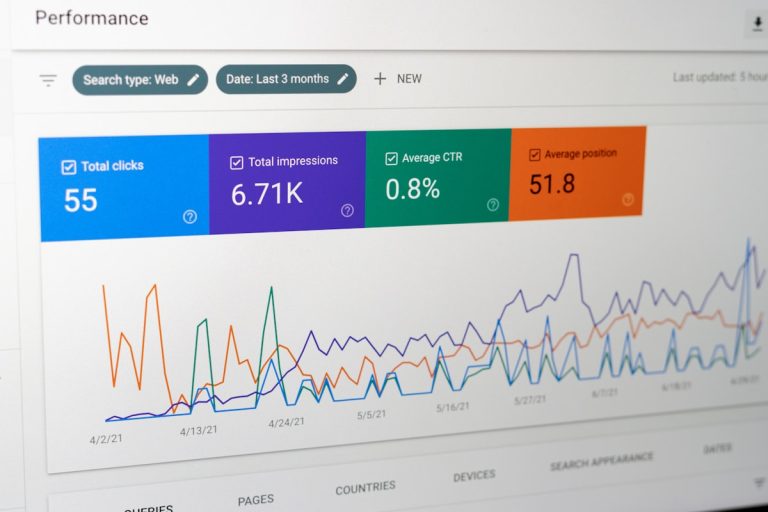
Track how quickly your new pages get indexed and begin climbing the search ranks. Because an automated engine builds structured, tightly focused topic clusters, search algorithms recognise your domain authority faster, resulting in shorter indexation cycles and higher baseline positions.
Conversational AI Citations
Standard analytics packages cannot track when Perplexity or ChatGPT recommends your brand to an active buyer. Using the AI Visibility Tracker, monitor how often your brand is cited across conversational tools. Tracking these mentions verifies that generative engines present your brand as the leading option for high-intent queries.
Landing Page Commercial Conversions
Traffic volume is useless if your readers never convert. Automated content targeting high-intent long-tail keywords consistently yields higher conversion rates than broad, generic articles. Monitor demo requests, newsletter sign-ups, and inbound leads generated by your organic assets.
Reduction in Operational Overhead
Calculate what you save by cutting out freelance writers, agency contracts, and disconnected SaaS tools. Balance those operational savings against your business growth to determine your true return on marketing investment.
Common Content Marketing Mistakes You Must Avoid
Automating your content creation gives you incredible speed, but you must avoid common mistakes that trip up unwary teams:
- Publishing Without Human Review: Never leave content production entirely unmonitored. Take five to ten minutes to double-check industry statistics, legal requirements, and company details before publishing.
- Diluting Your Brand Identity: Generic content feels robotic and unconvincing. Ensure your system settings convey your business perspectives, commercial stances, and authentic tone.
- Overlooking Regional Terminology: If you sell across the UK, Europe, and North America, configure your language settings properly. Using American terms when selling to a British audience quickly harms your credibility.
- Focusing on High-Volume Vanity Phrases: Chasing ultra-competitive keywords with high search volume usually means competing against massive media outlets. Focus on specific, high-intent phrases where potential clients are ready to buy.
Expanding Your Output Without Increasing Headcount
Historically, growing your marketing presence required adding more staff. If you wanted to target another vertical, you retained another agency. If you wanted to double your blog cadence, you hired extra copywriters, editors, and SEO managers. Every step up in output drove an equal increase in fixed payroll costs.
When you automate your content marketing strategy, you separate output volume from operational headcount. An automated platform can produce twenty, thirty, or fifty comprehensive, search-optimised pieces across multiple sectors without adding a single person to your payroll.
This levels the playing field for ambitious businesses. You no longer need a massive marketing department to outrank well-funded competitors. By publishing authoritative, well-structured, and GEO-aligned answers faster than legacy brands, you capture high-intent buyers while traditional marketing departments are still drafting briefs.
Take Total Ownership of Your Organic Growth
Operating with fragmented tools and expensive agency retainers leaves your marketing fragile. As modern buyers turn toward conversational search assistants, businesses that stick to manual workflows will see their visibility decline.
Moving to an autonomous marketing platform gives your business full control. You gain continuous technical SEO updates, data-driven content creation, multi-channel distribution, and clear visibility across generative search engines.
If you are ready to eliminate operational friction and secure your organic market share, it is time to modernise your marketing stack. You can Start Your SEO Autopilot right now to streamline your production engine and build long-term authority across traditional search engines and AI assistants alike.