The Search Landscape Has Fractured: Why You Cannot Afford to Pick Just One Side
For nearly two decades, digital discovery followed a very predictable playbook. You found high-volume keywords, sprinkled them into meta tags, built a few dozen backlinks, and waited for Google to serve blue links to your prospective buyers. That play still works to an extent, but the game itself has shifted beneath our feet. Today, modern buyers do not just scroll through search results; they ask ChatGPT for vendor comparisons, read synthesized answers in Google AI Overviews, and use Perplexity to get straightforward technical summaries without clicking a single website link. This shift means focusing exclusively on traditional search engine optimization leaves half your pipeline completely untouched. To survive this shift, modern businesses need a coherent approach to AI search optimization that bridges the gap between classic keyword indexation and modern generative answer engines.
The reality is that traditional organic discovery and generative visibility are two sides of the same coin. Traditional search relies on crawling, page-level indexing, and link authority. Generative engines, meanwhile, rely on semantic clarity, brand citations, and direct entity extraction. If your brand treats these channels as competing projects, you will run into bloated software costs and scattered marketing campaigns. Instead of splitting your resources across dozens of fragmented dashboards or paying extortionate agency retainers, unifying these strategies under an automated framework ensures your business captures real-time intent across both Google’s SERP and conversational answer engines.
Breaking Down Traditional SEO: What Still Works (And What Fails)
Traditional SEO was built around the mechanics of web crawlers. Search engines send spiders across your site, read your HTML, catalogue your headings, and count your inbound links as votes of confidence.
Here is what the traditional approach prioritises:
* Strict keyword matching in title tags, H1s, and URL slugs.
* Accumulation of high-volume backlink profiles via guest posting and digital PR.
* Crawl budgets, site speed metrics, and XML sitemaps.
* Rank tracking focused on positions 1 through 10.
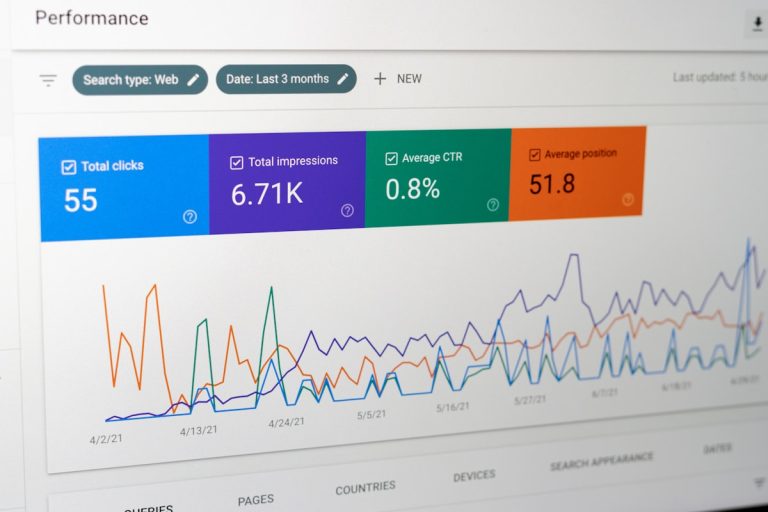
While those technical fundamentals still matter, relying solely on keyword placement is failing modern brands. Traditional rank tracking does not tell you if your brand was recommended inside a Gemini response. It cannot tell you if ChatGPT cited your latest whitepaper when an enterprise buyer asked for vendor recommendations.
Furthermore, legacy SEO tools like SEMrush, Moz, and Ahrefs provide massive amounts of diagnostic data, but they require human teams to manually analyse spreadsheets, draft content, and fix errors. For small and medium-sized enterprises, managing these disconnected platforms leads to operational paralysis. If you want to eliminate that manual grind, you should Automate Your SEO with AI so your site remains technically sound without consuming hundreds of hours every quarter.
Generative Engine Optimisation (GEO): The Mechanics of AI Citations
Generative Engine Optimisation (GEO) focuses on getting your business referenced, cited, and recommended by Large Language Models. When a user asks an AI platform a nuanced query, the model does not run a simple keyword match. Instead, it extracts structured facts, weighs brand authority, and synthesises natural language answers.
To win real estate inside generative answers, your digital presence must adapt to three core criteria:
1. Semantic Clarity Over Keyword Density
AI engines read content for deep context. They parse the relationships between concepts, entities, and solutions. Stuffing an exact-match phrase five times into a blog post will not convince an LLM that your brand is an authority. You need clear, direct prose that answers specific problems without conversational fluff.
2. High-Trust Brand Citations and E-E-A-T
Experience, Expertise, Authoritativeness, and Trustworthiness (E-E-A-T) are no longer just Google quality rating guidelines; they are core filtering mechanisms for generative engines. Models favour verified sources, structured data, expert commentary, and cross-platform brand mentions over sites that rely on spammy link-building schemes.
3. Machine-Readable Structure
AI search systems scan for extractable points. Using clean bullet lists, definitive answers at the beginning of sections, and schema markup allows generative models to easily digest your content and quote it as a verified source.
Local search has undergone a similar transformation. When consumers look for services nearby, AI engines combine geographic coordinates with local business authority to provide conversational recommendations. To capture this expanding market, businesses must Enhance Your Local Visibility by feeding regional data directly to AI discovery engines.
The Operational Dilemma: Fragmented Tools vs Agency Retainers
Most marketing teams see the need to tackle both fronts, but they run straight into an operational wall.
On one side, you have traditional marketing agencies. They charge thousands of pounds every month, provide opaque reports filled with vanity metrics, and take weeks to publish simple content updates.
On the other side, you have the DIY software stack. You buy one tool for backlink monitoring, another for rank tracking, a third for content outlines, and a fourth for social distribution. Before long, your marketing budget is consumed by subscription fees, while your team spends more time managing dashboards than executing strategy. In fact, general automation tools like Marketo or HubSpot offer broad operational features, but they lack the specialised, automated intelligence needed to dominate both traditional and generative search landscapes simultaneously.
Businesses do not need more dashboards. They need automated execution. By deploying an AI CMO: Unified AI Marketing Automation for Digital Growth, teams can automate repetitive marketing tasks, run continuous audits, and execute content roadmaps that satisfy both traditional web crawlers and modern generative engines without expensive agency overheads.
How AI CMO Bridges the Gap Between Search Engines and AI Engines
AI CMO was designed specifically to eliminate the friction between classic organic tactics and AI-powered discovery. Rather than forcing you to jump between disjointed tools, it acts as a single, hands-on intelligence layer that manages your end-to-end digital visibility.
| Traditional SEO Approach | Generative Engine Approach | The Unified AI CMO Solution |
|---|---|---|
| Focuses on individual keyword strings | Focuses on entities, context, and intent | Crafts content targeting both search keywords and natural language prompts |
| Measures success via blue-link ranks | Measures success via citations and zero-click answers | Tracks holistic visibility across traditional SERPs and AI models |
| Requires manual analysis of dashboards | Requires constant tracking of conversational tools | Automates continuous, 24/7 SEO and GEO optimisations |
| High cost via specialised agencies | Fragmented via experimental beta tools | One unified, cost-effective automation platform |
By running automated marketing operations 24/7, the platform continuously analyses your site performance, identifies emerging search behaviours, and adjusts your on-page data. This hands-on automation allows lean marketing teams and growing startups to maintain continuous visibility while keeping operational overhead exceptionally low. If your team wants to stop micromanaging routine technical chores, it makes sense to Start Your SEO Autopilot and let intelligent systems handle continuous optimisations.
Tactical Roadmap: Executing a Unified Search Strategy
To bridge traditional discovery with generative visibility, your team must execute a strategy that addresses both crawlers and context-driven models.
Step 1: Answer User Intent in the First 100 Words
Both Google’s ranking algorithms and AI summarisers reward direct answers. When addressing a customer problem, define the solution clearly at the very start of your guide before diving into nuance. This provides traditional readers with immediate value and gives generative engines a clear snippet to quote.
Step 2: Optimise for Local and Regional Prompts
Modern discovery is hyper-personalised. When users seek services, they rely on conversational geographical prompts. You must structure your address data, service areas, and localised case studies across your digital footprint. Take steps to Master GEO Targeting with AI so your business remains the primary recommendation when prospects ask AI engines for nearby providers.
Step 3: Shift from Keyword Volume to Conversational Queries
Do not just look for high-volume keywords with high competition scores. Analyse the complex questions your prospects actually ask sales reps:
* “How do I choose between platform X and platform Y?”
* “What is the cost breakdown for service implementation in the UK?”
* “Which automated software handles both local rankings and traditional organic search?”
Building content around these conversational frameworks ensures your site ranks organically while feeding AI models the exact information needed to cite your brand.
Step 4: Streamline Your Operational Workflow
The biggest bottleneck in marketing is execution speed. Writing briefs, auditing legacy pages, and fixing broken schema manually takes weeks. Lean teams should use unified platforms to run audits and draft data-driven content strategies in minutes, ensuring their search profiles adjust immediately to algorithm updates. You can Boost Your Search Rankings Now by deploying automated workflows that refine your technical profile around the clock.
The Future of Brand Discovery: Unified, Automated, Scalable
Search is no longer a static list of ten blue links. It is a blended, real-time ecosystem where search engines, large language models, and conversational assistants work simultaneously to answer consumer questions.
Marketers who double down solely on legacy keyword strategies will find their organic traffic slowly eroded by zero-click AI answers. Conversely, those who abandon traditional SEO entirely will miss out on the massive volume of buyers who still use standard search everyday. The winning play is integration. By unifying both worlds through hands-on automation, your brand can dominate search results, capture high-intent AI referrals, and scale marketing efforts effortlessly.
Stop wrestling with fragmented tools and costly agency retainers. Take control of your digital visibility across all platforms today by partnering with AI CMO: Unified AI Marketing Automation for Digital Growth.