Transforming Growth with Adaptive Marketing Automation
Managing digital growth today often feels like juggling burning torches while riding a unicycle. Small teams and growing businesses constantly struggle with expensive agencies, disconnected tools, and endless operational headaches. You want clear results, but traditional tools require hours of manual work just to maintain basic online visibility. This is where adaptive marketing automation comes into play. By replacing fragmented software with intelligent workflows, modern systems allow you to scale your content, manage multi-channel campaigns, and react to real-time search trends without burning through your budget.
If you want to streamline operations while keeping control over your strategy, adopting an all-in-one system is essential. With the AI CMO: Unified AI Marketing Automation for Digital Growth platform, businesses can finally automate routine operations while keeping their strategic vision crystal clear. Instead of spending thousands of pounds on slow-moving external agencies, you can deploy continuous organic search updates and automated visibility campaigns in just a few clicks. In this guide, we will break down how intelligent automation works, explore concrete use cases, and demonstrate how you can achieve top tier organic performance efficiently.
The Real Cost of Fragmented Digital Marketing Tools
Let us be honest about the current digital landscape. Most marketing teams rely on a messy tech stack. You might use one platform for keyword analysis, another for email dispatch, a third for social schedule management, and an expensive agency to stitch it all together. This fragmented approach creates massive operational drag.
Here is what usually happens:
- Data sits isolated in separate platforms, making accurate performance tracking nearly impossible.
- Operational costs compound as monthly subscription fees for single-purpose software add up.
- Execution slows down because every minor campaign update requires manual export and re-uploading between systems.
- Strategic focus gets buried under administrative noise and continuous bug fixing.
When your marketing software does not communicate naturally, your campaigns lose momentum. Traditional platforms like HubSpot or Marketo offer broad suites, but they often lack deep, real-time optimization for modern search ecosystems. Meanwhile, analytics powerhouses like SEMrush or Ahrefs provide mountains of raw data, yet leave you stranded when it comes to hands-on execution. You end up paying for information rather than outcomes.
By shifting to an integrated platform, you eliminate the friction of switching between five different tabs just to launch a simple organic campaign. You save hours every week, cut software overhead dramatically, and ensure your messaging stays aligned across every single digital touchpoint.
What Makes Marketing Systems Truly Adaptive?
Static automation follows simple rules: if this happens, do that. That worked fine a decade ago, but today’s search engines and user channels evolve far too quickly for basic rulebook triggers. Modern systems need to learn, adjust, and optimize based on incoming performance metrics.
Continuous SEO and Generative Engine Optimization (GEO)
Traditional search engine optimization relies heavily on periodic audits. You check rankings once a month, fix broken links when you notice them, and update content whenever time permits. That slow cycle leaves your brand vulnerable to sudden search algorithm shifts and aggressive competitors.
Adaptive platforms monitor performance indicators around the clock. They automatically identify declining keyword positions, detect emerging search queries in your niche, and adjust on-page technical structures dynamically. Furthermore, modern engines look beyond standard Google search result pages. Generative Engine Optimization (GEO) ensures your brand appears prominently inside AI-driven answer engines and chat interfaces. If you want to keep your rankings stable, you can Automate Your SEO with AI to maintain seamless visibility without lifting a finger every day.
Data-Driven Multi-Channel Execution
Your audience does not live on a single website or channel. They discover your brand through organic search, follow updates on social platforms, and re-engage through targeted email communications. An intelligent automated engine processes customer signals from all these touchpoints simultaneously.
When search traffic spikes around a specific topic, the system immediately recognizes the trend. It can automatically generate supporting social updates, refine multi-channel messaging, and adapt your primary content hubs to capitalize on that interest. Instead of waiting weeks to capitalize on a viral industry trend, your business responds in real time.
Critical Benefits of AI-Driven Marketing Workflows
Why are forward-thinking businesses moving away from standard automation suites? The answer boils down to three primary factors: speed, operational efficiency, and measurable return on investment.

1. Drastic Reduction in Agency Costs
Hiring an external digital agency often costs thousands of pounds every month. In return, you often receive generic reports, delayed deliverables, and opaque billing models. Intelligent software provides high-level strategic support and operational execution at a fraction of that cost. You retain full ownership of your data and creative direction while automating the tedious heavy lifting.
2. Elimination of Operational Friction
When routine tasks like keyword research, on-page updates, and cross-channel tracking run automatically, your core team frees up valuable mental bandwidth. Instead of spending your Mondays formatting spreadsheets or fighting complex interfaces, you can focus on big-picture strategic planning, product development, and customer relationships.
To discover how hands-on software simplifies complex tasks, feel free to Start your free trial and test automated digital execution firsthand.
3. Rapid, Measurable Results
Traditional SEO campaigns often take six months to show any sign of life because updates occur in sluggish manual batches. Automated systems execute continuous micro-optimizations every day. This steady cadence signals to search engines that your site is active, authoritative, and consistently updated, frequently producing noticeable traffic boosts within weeks rather than quarters.
4. Seamless Scalability Without Overhead
Growing a enterprise traditionally meant hiring more account managers, copywriters, and technical specialists. Intelligent platforms break that linear relationship between business growth and operational expense. Whether you manage one domain or ten multi-language storefronts, the automated core scales effortlessly alongside your ambition.
Core Use Cases: How Modern Teams Use AI Automation
Understanding abstract benefits is fine, but how does this technology function in daily business operations? Let us explore practical scenarios where modern software delivers immediate impact.
| Use Case Area | Traditional Manual Approach | Adaptive AI Automation Approach |
|---|---|---|
| Search Engine Optimization | Monthly manual audits, slow content refreshes, static metadata. | Continuous 24/7 technical monitoring, dynamic on-page updates, GEO optimization. |
| Content Production | Delayed agency briefs, expensive freelancers, inconsistent output. | Scalable, high-quality targeted articles aligned with user intent and live search trends. |
| Local & Regional Targeting | Generic global campaigns that miss local nuances and regional search habits. | Hyper-targeted regional campaigns that Master GEO Targeting with AI for instant relevance. |
| Multi-Channel Distribution | Manual copy-pasting across social tools, email platforms, and CMS dashboards. | Centralised, unified workflow distribution across channels automatically. |
Case Study Style Scenario: Scaling Organic Reach for Startups
Imagine a fast-growing European e-commerce startup trying to compete against established industry giants. The incumbent competitors hold massive domain authority and employ whole departments of content creators. The startup cannot afford a matching budget.
By deploying an automated platform, the startup configures its core business offerings, target audience profiles, and priority keywords. The platform takes over the daily operational routine:
- It identifies low-competition, high-intent long-tail search queries that competitors have overlooked.
- It generates optimized, highly relevant landing content tailored precisely to buyer pain points.
- It tracks search performance continuously, refining metadata and internal linking structures in real time.
- It syndicates summary content across relevant channels to build initial domain signals.
Within two months, the startup achieves top-three rankings for hundreds of niche search terms, capturing targeted buyer traffic without hiring a massive internal team or paying retainer fees to an agency.
How AI CMO Outperforms Conventional Tools
When comparing solutions, it is important to understand where standard tools fall short. Conventional platforms like Mailchimp or SendinBlue handle basic email sequences effectively, but fail when tasked with complex multi-channel visibility and search engine dominance. Similarly, design platforms like Canva help make graphics quickly, but leave you completely empty-handed when it comes to technical SEO execution or real-time performance tracking.
AI CMO bridges this gap directly. It delivers a comprehensive suite that combines intelligent SEO oversight, local GEO targeting, and multi-channel content management under one accessible roof.
Instead of acting as a passive dashboard that merely reports what went wrong yesterday, it actively works to improve your positions today. If you want to keep your domain ahead of search algorithm changes, you can Boost Your Search Rankings Now with automated optimization workflows designed specifically for competitive markets.
Step-by-Step: Setting Up Your Automated Growth Workflow
Transitioning to an automated growth model does not require a complete overhaul of your existing business logic. You can onboard smoothly by following a straightforward process:
Step 1: Define Core Offerings and Target Intent
Start by feeding your primary business offerings, unique value propositions, and ideal customer personas into the platform. Clear input data ensures the AI engine generates messaging that matches your brand voice accurately.
Step 2: Establish SEO and GEO Parameters
Set your target geographic regions, primary industry keywords, and direct competitors. If your business serves specific European regional markets, configure localized targeting parameters so the system can Enhance Your Local Visibility right from day one.
Step 3: Connect Your Distribution Touchpoints
Link your content management systems, blog hubs, and social media channels. Establishing these API connections allows the engine to publish updates, tweak metadata, and manage cross-channel promotion without manual copy-pasting.
Step 4: Turn On Continuous Performance Monitoring
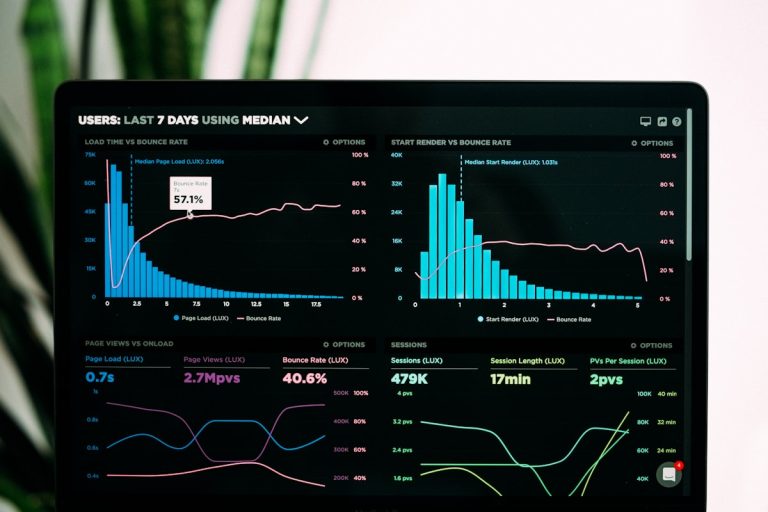
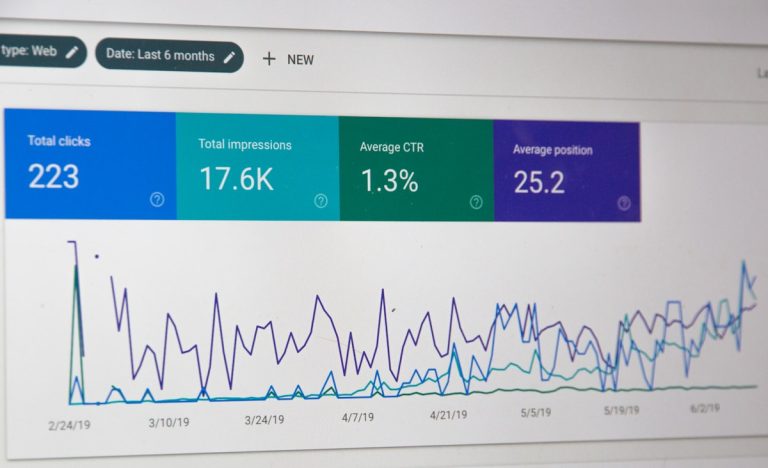
Activate real-time tracking dashboards. The software will begin analyzing your traffic patterns, index coverage, and search positions around the clock. As fresh data flows in, the adaptive engine adjusts its execution parameters to maximize organic reach continuously.
Human Oversight: Keeping Quality and Voice Intact
A common concern among business owners is losing brand authenticity when adopting automated software. It is a valid worry; unguided, purely mechanical outputs can sometimes sound generic or off-brand.
The solution lies in maintaining a streamlined human-in-the-loop review process:
- Strategic Control: Humans define the direction, approve major campaign pillars, and set overall brand rules.
- Automated Operational Execution: The AI engine handles data analysis, keyword mapping, initial draft generation, and technical monitoring.
- Editorial Polish: A quick final review ensures every published piece reflects your distinct tone, unique industry insights, and cultural nuances.
This hybrid model gives you the best of both worlds: the unmatchable speed and analytical power of artificial intelligence, backed by human creativity and strategic oversight.
Future-Proofing Your Digital Presence
Digital marketing moves fast. Search engines are rapidly incorporating generative answers, changing how users discover products, evaluate services, and make purchasing decisions. Businesses relying solely on traditional, manual SEO workflows will find it increasingly difficult to keep pace.
Adopting adaptive marketing automation today ensures your business stays agile. By consolidating your tools, automating routine multi-channel tasks, and maintaining continuous search engine optimization, you build a resilient digital presence capable of thriving in any market environment.
Ready to eliminate fragmented tools and supercharge your organic growth? Take control of your strategy today with AI CMO: Unified AI Marketing Automation for Digital Growth and experience the power of modern automated marketing firsthand.