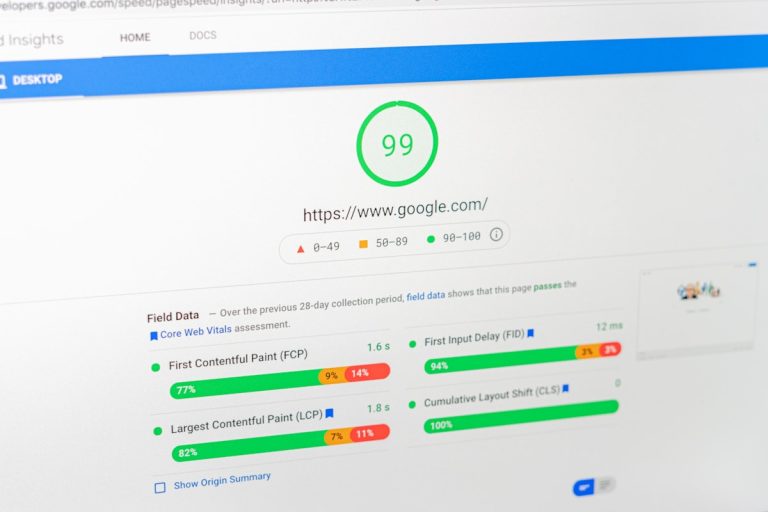
Modern SEO Automation replaces brittle desktop scripts with continuous cloud-based intelligence that monitors site health, closes topical gaps, and secures direct citations across conversational search platforms like ChatGPT and Google AI Overviews. While legacy desktop tools blast low-tier backlinks through rented virtual private servers and rotating proxies, cloud platforms run 24/7 in your browser without hardware overhead, technical maintenance, or algorithmic penalty risks.
The Great Search Shift: Why Cloud AI Leaves Desktop Scripts Behind
Remember spending your weekends nursing a frozen Windows virtual private server just to keep link submission scripts running? Marketers used to burn countless hours resolving captcha balance alerts, debugging private proxy ports, and praying an automated operating system update would not wipe out their active campaigns. That tedious, mechanical grind was once labelled cutting-edge marketing. Today, it is pure operational debt. Modern businesses have stepped away from fragile desktop tools to embrace intelligent SEO Automation that builds genuine authority while protecting organic visibility. If you want a dependable system working quietly in your corner, you can Start Your SEO Autopilot today to secure reliable organic growth without touching a virtual server.
Search behaviour has completely transformed over the last few years. Prospective buyers do not merely scroll through ten blue links on a desktop monitor; they ask conversational large language models for supplier recommendations or skim AI summaries directly on search engine results pages. Modern SEO Automation must tackle traditional organic rankings and generative engine visibility simultaneously. By linking clean technical site architecture with deep topical authority, cloud software turns organic search from a stressful gamble into a predictable acquisition channel. You can read our detailed guide on how to check your brand’s AI visibility to see how modern search engines evaluate digital presence.
What Made Legacy Desktop Tools Like SEO Autopilot Popular?
A decade ago, search engines operated like basic digital counters. If Page A secured 500 links while Page B secured only 50, Page A almost always took the top ranking. Early crawlers lacked the contextual understanding to differentiate a genuine editorial recommendation from a forum profile link created on an abandoned bulletin board.
That algorithmic blind spot triggered an entire generation of desktop link automation tools. Software like SEO Autopilot gave webmasters minute control over mechanical variables. Users could build multi-tiered linking diagrams, program submission pauses down to the millisecond, scrape custom web forms, and publish spun content across thousands of domains simultaneously. For technical practitioners who loved complex configuration panels, it felt like an unbeatable operational shortcut.
The Hidden Operational Friction of Desktop Tools
While those legacy programs presented hundreds of dials and settings, they created staggering operational friction. To keep campaigns running, marketing teams had to shoulder heavy hidden costs:
- Virtual private server expenses: You had to configure, patch, and pay monthly hosting fees for Windows virtual private servers solely to run desktop executable files.
- Endless proxy management: Hours were spent testing private proxies, replacing blacklisted IP addresses, and troubleshooting port connections.
- Fragile submission scripts: A minor design update on an open-source forum or content management system immediately broke submission scripts, stalling output for weeks.
- Aggressive algorithmic penalties: Search engine filters now identify unnatural velocity bursts, repetitive commercial anchor phrases, and shared server footprints with razor-sharp accuracy.
- Blindness to generative AI: Legacy link builders know nothing about modern conversational search. They cannot tell you if Perplexity, ChatGPT, or Claude quotes your brand or ignores your company entirely.
How Does Modern Cloud AI SEO Automation Work?
Modern cloud platforms reject the brute-force mindset of the past. Instead of treating search engines like an adversary to trick with raw link volume, cloud systems view organic visibility as an ongoing balance of technical hygiene, deep topical coverage, and verifiable brand trust.
Here is how that works in real life:
- Zero local hardware: Everything executes inside secure data centres. You manage campaigns through a clear browser dashboard on your laptop, tablet, or mobile phone.
- Natural pacing guardrails: Rather than blasting thousands of spam links across a single weekend, cloud systems pace technical updates and content releases to mirror authentic growth curves.
- Real-time search diagnostics: Cloud platforms connect directly with indexing monitors and site crawlers, spotting ranking shifts and crawl issues the moment they appear.
- Multi-channel brand building: You can pair automated on-page improvements with tools like the LinkedIn Chrome Plugin to cultivate real brand presence and personal outreach across key professional networks. We break down step-by-step methods in our walkthrough on how to manage multi-channel with aiCMO.
| Feature | Legacy Desktop Scripts | Modern Cloud AI Platforms |
|---|---|---|
| Hosting Requirement | Local PC or rented Windows VPS | 100% browser-accessible cloud infrastructure |
| Maintenance Demands | Captchas, proxies, software patches, port rules | Connect domain, define core topics, let it run |
| Algorithmic Safety | High penalty risk from detectable footprints | Minimal risk protected by natural velocity controls |
| Core Focus | High-volume forum and profile backlinks | Technical site health, topical depth, entity citations |
| AI Search Tracking | Completely absent | Full tracking across ChatGPT, Perplexity, and AI Overviews |
| Team Collaboration | Locked to a single desktop or server licence | Multi-user web dashboards with live reporting |
Why Unchecked Link Blasting Destroys Company Domains
Few topics create as much debate in organic marketing as backlink automation. Some marketers claim that backlinks no longer matter at all, while others continue pointing scraper scripts at their core landing pages. The reality is simple: automation acts as a force multiplier, but reckless execution will destroy your domain reputation.
Let us break down why older link-blasting tools trigger search penalties, and how modern SEO Automation protects your digital assets.
How Legacy Link Blasting Triggers Ranking Penalties
When older tools submit thousands of forum profiles or low-grade directory entries targeting a single website, automated search algorithms spot the anomalies immediately:
- Unnatural velocity spikes: If a business website usually gains three editorial mentions a month and suddenly generates three thousand links over a single weekend, search algorithms flag the domain for an algorithmic downgrade.
- Repetitive commercial anchor text: If 80% of your incoming links use the exact same commercial search phrase, spam detection algorithms identify manipulative intent straight away.
- Mismatched topical context: A link coming from an abandoned discussion board about gardening pointing to an industrial manufacturing page carries zero topical relevance and raises an immediate red flag.
- Identical footprint signatures: When desktop software relies on identical server configurations, predictable submission templates, and shared user-agent strings, search engines de-index the linking pages and drop the target site.
How Cloud Platforms Keep Your Site Safe
Modern cloud systems build protective guardrails around your domain. Instead of spraying low-tier links across random websites, smart platforms follow strict safety rules:
- Semantic relevance analysis: The platform evaluates the topical context of referring domains. Authority signals only help when the surrounding text matches your commercial sector.
- Anchor text smoothing: Intelligent software balances commercial phrases with company names, naked URLs, and natural editorial terms like source or learn more.
- Live indexation verification: Rather than assuming an automated submission helps your domain, the software checks whether search engines actually crawl and index the target page.
To see how automated workflows deliver reliable, hands-off growth without expensive agency retainers, explore AI CMO: Unified AI Marketing Automation for Digital Growth.
Architectural Breakdown: Desktop Scripts vs Cloud Intelligence
Choosing the right system for your company means looking at how desktop scripts compare against cloud platforms across three fundamental technical areas.
1. Computing Resource Usage and System Reliability
With desktop software, your local workstation or rented virtual server carries the entire computational load. If your operating system reboots for an automatic update, your system memory runs dry, or your proxy service drops its connection, your optimisation campaigns freeze mid-run.
With cloud systems, you interact with a streamlined browser interface. Site audits, keyword discovery, content creation, and index tracking happen on remote cloud infrastructure. You can close your laptop, head out for dinner, and your campaigns run uninterrupted.
2. Algorithmic Adaptability and Search Updates
Search engines introduce core updates dozens of times each year. When an algorithm update lands, legacy desktop tools need manual code patches from their developers, which you must download, test, and troubleshoot on your remote desktop.
Cloud platforms update server-side without any user friction. When search engines update their treatment of structured schema or entity relationships, the cloud platform updates its underlying engine automatically. You log in, and the new best practices are already active.
3. Integrated Visibility Across Blue Links and Generative Answers
Desktop link tools were built before modern large language models even existed. They know how to post to forum forms, but they cannot evaluate how artificial intelligence describes your company.
Modern cloud platforms include our AI Visibility Tracker. This dashboard monitors whether tools like ChatGPT, Claude, and Perplexity reference your business when potential customers ask for commercial recommendations. It links traditional search rankings with modern generative AI citations. Learn how quick setup works in our tutorial on how to onboard & manage your brand with aiCMO.
Essential Capabilities to Demand from Modern SEO Automation
If you want a dependable software suite to manage your organic growth, do not settle for basic keyword tracking tools. Make sure your platform includes these essential capabilities:
Continuous SEO & GEO Autopilot
Your organic marketing should never sleep. Our SEO & GEO Autopilot audits metadata, monitors schema validation, checks internal linking architecture, and flags technical fixes automatically. By combining classic on-page standards with generative engine optimisation, you attract organic visitors from search results while earning brand citations inside conversational AI summaries.
Live Performance Analytics
Waiting four weeks for a monthly agency PDF report leaves your business blind to market changes. In competitive industries, delayed data leads to lost enquiries. Your marketing dashboard needs to show real-time movements in keyword positions, indexing health, and conversational AI visibility so you can make informed decisions quickly.
AI Content Strategist & Generator
Manual keyword research often means wasting days inside clunky spreadsheets. Modern cloud platforms provide an integrated AI Content Strategist & Generator. This module uncovers high-intent commercial gaps, evaluates competitor weaknesses, and produces structured, accurate articles designed to satisfy both human readers and search crawlers.
Granular Regional and Local Targeting
Whether you run a regional business across the UK or a multinational company, your automation platform must adapt to target territories. If driving local enquiries matters to your commercial model, you can Enhance Your Local Visibility by deploying location-specific signals that help nearby clients find your brand first.
How Generative Engine Optimisation Changes Search Strategy
For two decades, search marketing focused on a single metric: winning position one on Google. If your page held the top blue link, you captured the lion’s share of buyer attention. Today, search journeys look very different.
Many prospective buyers never reach the traditional search results. They read the AI summary box at the very top of their screen, or they open conversational search tools to ask for recommendations directly. This is where Generative Engine Optimisation, or GEO, becomes critical.
How Do Generative Engines Select Sources?
Large language models do not choose sources based on raw backlink numbers or exact keyword repetition. Instead, they look for specific structural signals:
- Factual clarity: Direct, concise statements that an AI model can parse and quote without ambiguity.
- Entity consensus: Consistent brand mentions, service descriptions, and company details across multiple credible digital sources.
- Topical completeness: Comprehensive content that resolves the searcher’s original question alongside natural follow-up queries in a single guide.
If your marketing toolkit only focuses on legacy link-building scripts, your business remains completely invisible inside AI answers. Modern SEO Automation balances technical ranking power with structured knowledge that AI models require to quote your brand.
Step-by-Step: Moving from Desktop Tools to Cloud SEO Automation
Leaving behind complex server setups and fragile desktop software is straightforward. You do not need developer resources or an IT department. Follow these four practical steps:
Step 1: Connect Your Domain for an Instant Site Audit
Begin by connecting your company domain to the cloud platform. The software crawls your assets right away, highlighting broken redirect chains, missing meta tags, slow load times, and underlying technical errors. This gives you a clear baseline of your current digital health.
Step 2: Set Target Topics and Growth Guardrails
Select the core commercial categories, service lines, and locations that drive your sales pipeline. Establish your growth parameters by choosing natural anchor text distributions and healthy content publishing cadences.
Step 3: Turn on Continuous Monitoring and AI Tracking
Activate your AI Visibility Tracker alongside standard keyword tracking. Within hours, you will see which search queries drive organic impressions and how frequently generative engines mention your brand when answering questions about your industry.
Step 4: Automate Strategic Content Creation
Instead of struggling to draft new blog posts from scratch, let your AI Content Strategist & Generator identify trending search queries and produce comprehensive, helpful guides. This keeps your domain supplied with fresh, authoritative content that earns organic trust.
To see how these capabilities function together in a simple, hands-off workflow, you can Automate Your SEO with AI and eliminate the overhead of external marketing retainers.
Why Growing Businesses Are Leaving Traditional Agencies
Historically, growing businesses faced two frustrating options for managing search visibility. You could hire a traditional marketing agency for thousands of pounds each month with vague performance guarantees, or you could hire an internal specialist whose time was consumed by manual data entry.
Modern cloud platforms offer a superior alternative: complete agency independence.
Cutting Out Expensive Retainer Costs
Traditional marketing agency retainers typically run between £2,000 and £8,000 per month. A large portion of that expenditure pays for account managers, administrative overhead, and manual spreadsheet formatting, with very little reaching high-impact strategy.
With modern SEO Automation, your team eliminates that unnecessary spend. A single founder or marketing manager can oversee rankings, plan content, safeguard domain health, and track AI citations in just a few minutes each week. The platform handles the tedious background tasks, giving you more time to serve your clients.
Complete Data Transparency
External agency relationships often suffer from a lack of clarity. Clients rarely know what work was completed behind the scenes each month. With a cloud platform, every ranking shift, technical fix, indexed page, and AI citation appears live on your dashboard. You retain complete ownership and full visibility over your organic growth assets.
Debunking Common Myths About Automated Search Marketing
Because early automation software earned a reputation for generating spam, some business owners still misunderstand how modern automated search platforms function. Let us clear up the three biggest myths.
Myth 1: “Automation will always get your site penalised”
Careless automation causes penalties; intelligent automation prevents them. If you run a script that blasts thousands of unmoderated links to spam forums, your site will drop in rankings. But if you use automation to monitor crawl errors, fix broken redirects, balance anchor text, and format schema markup, you are actively protecting your domain.
Myth 2: “AI-assisted content cannot rank on major search engines”
Search engines have stated their policy clearly: they reward original, helpful, high-quality content regardless of how it is created. They penalise thin, low-value content produced solely to manipulate search rankings. When you use tools like our AI Content Strategist & Generator, you publish detailed, well-structured articles that answer search intent thoroughly.
Myth 3: “SEO automation means you never have to think about marketing again”
Automation acts as an intelligent co-pilot, but it cannot replace your overarching commercial direction. The software handles operational routines: auditing response codes, tracking ranking fluctuations, and monitoring indexation. You still provide the unique industry insights, pricing models, and client service that turn organic visitors into paying customers.
To discover how automated workflows deliver reliable visibility across your target territories, you can Master GEO Targeting with AI today.
How to Measure Success: The Modern Search Scorecard
When you transition from legacy link tools to modern cloud automation, your key performance indicators must evolve. Tracking the raw count of links built is an outdated metric that reveals nothing about commercial growth.
Here is how leading marketing teams evaluate real performance:
- Topic cluster impression share: Instead of obsessing over a single keyword fluctuating one position, monitor your total organic impressions across your core service categories. When continuous SEO Automation resolves technical site errors and publishes helpful content, your overall search impressions expand steadily.
- Conversational AI citations and sentiment: Monitor how frequently your company appears in AI answers. The AI Visibility Tracker reveals whether your brand is cited as a leading recommendation or omitted entirely. Earning citations in large language models delivers high-intent prospects who convert quickly.
- Indexation efficiency: If software creates three hundred pages or links and search engines only index ten of them, 97% of your effort was wasted. Cloud platforms track the indexing status of your content assets, confirming that your pages are found, crawled, and rewarded by search engines.
- Commercial pipeline value: Rankings only matter when they generate sales opportunities. By combining cloud automation with targeted commercial pages, you attract visitors who are actively researching solutions, turning search traffic into business revenue.
Moving Beyond Legacy Desktop Software
Legacy tools like SEO Autopilot hold an interesting place in search marketing history. They proved that repetitive optimisation routines could be automated, offering technical practitioners an elaborate playground of custom settings. However, organic search has progressed far beyond desktop scripts, rotating proxy lists, and dangerous backlink blasts.
Modern search visibility demands resilient cloud systems, absolute domain safety, and seamless integration with conversational AI engines. By pairing technical SEO standards with Generative Engine Optimisation through our SEO & GEO Autopilot, forward-thinking businesses can capture standard organic rankings and AI citations at a fraction of traditional agency retainers.
If you want to leave behind fragile desktop configurations, safeguard your domain, and run your search growth on continuous autopilot, the solution is ready for you. Boost Your Search Rankings Now and guide your brand into the future of modern search.
Frequently Asked Questions
What is the main difference between legacy desktop link scripts and modern cloud AI?
Legacy desktop programs focus almost exclusively on mass link creation across web directories, forum profiles, and blogs. They require dedicated Windows virtual private servers, third-party captcha credits, and rotating private proxies. In contrast, modern cloud systems run entirely in your web browser. They use machine learning to manage technical audits, topical authority building, content creation, and Generative Engine Optimisation without local server maintenance.
How does modern SEO automation keep backlink acquisition safe?
Modern platforms use strict velocity controls, topical relevance checks, and natural anchor text smoothing. Instead of publishing thousands of unverified links overnight, cloud systems ensure that authority signals come from relevant industry contexts and balance commercial keywords with brand terms to mirror natural web growth.
Can SEO automation help my brand appear in ChatGPT or Google AI Overviews?
Yes. While legacy tools only targeted classic search engine crawlers, modern platforms focus heavily on Generative Engine Optimisation. Systems like our AI Visibility Tracker monitor how large language models cite companies in your industry, helping you format facts and schema data so AI models can easily extract and cite your brand.
Do I need technical experience to run cloud-based SEO automation?
No. Unlike older desktop software that requires configuring virtual private machines, managing proxy ports, and fixing broken submission scripts, modern cloud platforms offer clean, intuitive dashboards. You simply connect your domain, select your focus topics, and let the cloud platform manage technical tracking and ongoing optimisations automatically.