Why YouTube Is Ground Zero for Generative Search Optimization
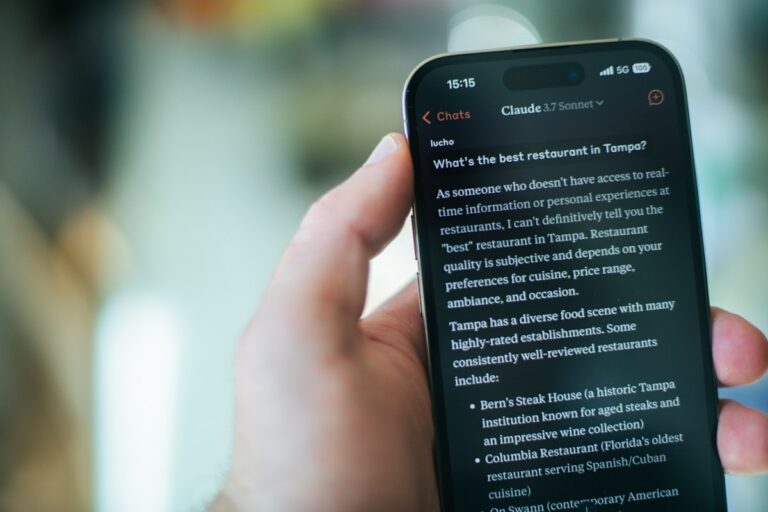
Most marketing teams still treat YouTube like a video-hosting platform or a secondary social channel. That is a massive strategic mistake. Search engines have changed completely over the last twelve months. Large language models (LLMs) like ChatGPT, Claude, and Perplexity do not merely scan plain text blogs anymore. In fact, research shows YouTube mentions have a staggering 0.737 correlation with ChatGPT visibility, making it the single most influential domain cited across AI-driven answer engines. When you master YouTube SEO, you are not simply chasing YouTube views; you are feeding the primary dataset modern AI uses to answer customer queries.
Understanding this dynamic is the focal point of modern Generative Engine Optimization (GEO). Think of this operational framework as our dedicated lesson 3 3 for AI discovery: an actionable approach to capture high-intent search real estate across large language models. The problem is that running multi-channel video optimisation while handling regular search, content creation, and technical tracking quickly exhausts internal teams. If you want a hands-on system that coordinates your cross-channel execution, you can explore how AI CMO delivers unified marketing automation for digital growth without ballooning your overheads or relying on bloated agency retainers.
The Shift: Search Hits vs Viral Hits
Traditional creators obsess over viral hits. They chase flashy thumbnails, sensational hooks, and algorithmic waves that spike views for forty-eight hours before dying permanently. For sustainable business growth, viral hits are practically worthless.
What you actually want are search hits.
A search hit targets durable, perennial queries that users type directly into search bars month after month. These videos solve concrete problems. When someone searches for a specific workflow or product comparison, search-hit videos appear right at the top of Google and YouTube.
More importantly, search hits are precisely what generative search engines ingest. LLMs do not look for viral entertainment when answering user prompts; they search for direct, structured, authoritative solutions. When Google generates an AI Overview or ChatGPT searches the live web, they pull heavily from high-ranking video transcripts. If your video reliably ranks for a search term, an AI engine will cite it as a verified source.
To build this steady stream of visibility, your marketing stack must keep track of shifting prompts and multi-channel performance. Learning how to check your brand’s AI visibility provides the baseline you need to identify which search queries cite your brand and where your competitors dominate.
The Technical Execution Blueprint: Structuring Videos for Large Language Models
Getting cited by an AI engine requires structured technical execution. It is not just about making great video; it is about packaging the information so machines can easily read, parse, and verify it.
1. Keyword-First Titles
Clever titles confuse algorithms. If users are searching for “how to fix a leaking tap” or “enterprise inventory management workflow”, your video title must reflect that exact intent. Leave the wit for your thumbnail visual; keep the text title strictly descriptive and keyword-aligned.
2. Comprehensive Summaries in Video Descriptions
AI bots read descriptions before they process audio transcripts. Write a concise, information-rich summary of the video topic in your first two sentences. Clearly declare what problem the video solves, who it is for, and what solutions are detailed inside.
3. Clear Chapters and Precise Timestamps
Timestamps create structural chapters that search engines extract directly into organic search results. If your video covers four distinct tips, clear timestamps let Google link a user directly to tip number two. This modularity makes it remarkably easy for AI models to retrieve the exact segment answering a user prompt.
4. Spoken Verification (Audio Processing)
Modern generative engines do not just rely on metadata. They actively transcribe audio streams to check for semantic relevance. If your target concept is operational cost reduction, you must say those explicit words within your spoken dialogue. Clear enunciation and direct phrasing improve transcription accuracy inside model training sets.
5. Format Matching
If the existing search results for your topic are dominated by five-minute screen shares, do not make an hour-long talking-head podcast. Match the intent and format that search engines already reward. Aligning your structural format ensures you satisfy the specific user journey that generative models expect.
Executing these technical steps across every single video asset demands continuous discipline. You can automate your SEO with AI to keep your titles, descriptions, and structural metadata consistently aligned without manually rebuilding your workflow for every upload.
How AI CMO Bridges Strategic Planning and Autonomous Execution
Most marketing teams face a fragmented landscape. They pay hefty subscription fees for standalone keyword platforms, separate rank trackers, and disconnected social schedulers. Meanwhile, strategy sits trapped inside sprawling spreadsheets.
This is where the AI CMO operating system redefines workflow execution. Instead of acting as an opaque, black-box generator that produces generic copy, AI CMO acts as an autonomous marketing engine with human-in-the-loop control. It unifies search optimisation, brand research, multi-channel distribution, and generative search visibility into one single platform.
A central element of this architecture is the Ask Maggie conversational marketing assistant. Ask Maggie integrates with your authorised workspace data, audits your site architecture, identifies content gaps, answers complex visibility questions, and drafts complete optimisation roadmaps.
Crucially, Ask Maggie does not make rogue changes. Every action requires explicit user approval through signed confirmation, permission checks, idempotency, and thorough action logs. You maintain complete governance while the AI handles the repetitive operational grind.
To modernise your pipeline and master your multi-channel deployment, read our guide on how to manage multi-channel with aiCMO to keep your web, video, and social properties perfectly synchronized.
Midway through your journey to mastering this new search ecosystem, you might find that traditional agency models simply move too slowly. If your team is ready to scale execution, you can explore unified AI marketing automation for digital growth and take immediate control of your strategic execution.
Turning Transcripts into Multimodal Training Data
Here is a reality that many traditional marketers overlook: every video you upload to YouTube becomes permanent training material for AI systems. Models like GPT-4 were trained on over a million hours of transcribed video.
When your channel consistently publishes structured, accurate, and authoritative explanations of industry concepts, you are embedding your brand directly into the foundational corpus of artificial intelligence.
Consider this workflow:
– You record an educational video solving a common customer query.
– The video includes precise timestamps, descriptive chapters, and clean spoken dialogue.
– AI CMO reads the workspace asset and drafts a complementary technical guide for your CMS.
– Using a purpose-built WordPress Plugin Beta, your team reviews, approves, and publishes the structured article with embedded schema.
– The resulting synergy between video transcript and on-page copy creates an undeniable authority signal that generative engines cite reliably.
This loop turns single media assets into compounding visibility drivers. You are not simply hoping for a search engine crawl; you are structuring information so machines cannot ignore it.
To ensure your regional and localised entities capture these benefits, you can master GEO targeting with AI and build a commanding presence across local answer engines.
Operational Comparison: Legacy Marketing vs AI CMO
| Feature / Objective | Legacy Agency / Point Tools | AI CMO Autonomous Platform |
|---|---|---|
| Video & SEO Alignment | Disconnected; video teams rarely talk to technical SEO teams. | Fully integrated; video transcripts sync with on-page SEO automatically. |
| Execution Speed | Weeks spent waiting on manual copy edits and agency reviews. | Real-time drafting with immediate, human-approved deployment. |
| Operational Costs | Massive monthly retainers plus fragmented tool subscriptions. | A single, transparent system designed to drastically reduce overheads. |
| AI Visibility Tracking | Limited to standard keyword rank tracking tools. | Dedicated GEO tracking across LLMs, AI Overviews, and traditional search. |
| Action Governance | Opaque processes with minimal audit trails. | Strict permission checks, signed confirmations, and complete action logs. |
A Step-by-Step Implementation Framework
Getting started with video GEO does not require an enterprise studio. Follow this weekly operating cadence:
- Audit Answer Engine Citations: Check where LLMs already mention your category. Identify missing queries where competitors are referenced but your brand is absent.
- Select Perennial Topics: Pick topics that customers search for year-round rather than temporary industry gossip.
- Record with Spoken Structure: State the core question clearly in the opening twenty seconds. Provide the step-by-step solution using distinct, enunciated headers.
- Deploy Rigorous Transcripts: Never rely solely on automated platform captions. Upload clean, verified text files to ensure technical terms and product names are spelt correctly.
- Cross-Distribute with Human Approvals: Use Ask Maggie to turn the transcript into structured documentation, social updates, and knowledge base articles. Review the changes inside your action log, click approve, and let the system handle distribution.
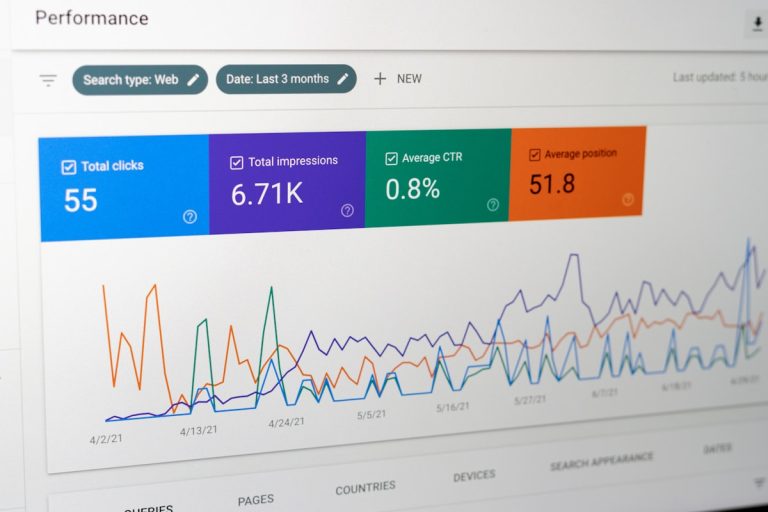
- Track Generative Mentions: Monitor your AI citation frequency over thirty-day cycles. As models refresh their indexes, your structured content will begin replacing outdated sources.
Applying the lessons of lesson 3 3 allows small and medium-sized enterprises to compete directly with legacy industry players who remain stuck in outdated publishing habits.
Modernise Your Search Strategy Today
Search is no longer a static list of blue links. Customers now ask complex questions directly to conversational engines, expecting instant, authoritative answers. Because these models rely heavily on video transcripts for their most up-to-date information, optimising your YouTube presence for generative search engines is essential for modern survival.
You do not need a bloated marketing team or an expensive outside agency to build this modern visibility engine. By combining strategic human oversight with automated multi-channel operations, your business can consistently outpace competitors, secure prominent AI recommendations, and drive compounding organic traffic.
Ready to take total control of your digital visibility across traditional and generative search platforms? Start your digital growth journey with AI CMO today and transform your marketing operations into an efficient, scalable powerhouse.