Why Local Relevance Beats Spray-and-Pray Marketing Every Single Time
Ever seen a billboard advertising iced coffee during a freezing sleet storm in Manchester? It feels lazy, wasteful, and completely detached from reality. For years, traditional digital advertising operated on that exact spray-and-pray principle: build one generic banner, dump money into ad networks, and hope someone bites. But in modern marketing, context is everything. Modern consumers scroll past generic copy without a second thought. If your campaign cannot adapt to where a customer stands, what the weather feels like, or what local problems they face right now, you are burning your budget.
That is where real-time relevance changes the game. By combining location triggers with automated creative updates, modern brands serve hyper-focused campaigns that actually convert. Instead of hiring an army of designers to produce hundreds of regional variations, forward-thinking teams rely on dynamic ad optimization powered by AI CMO to tailor messaging on the fly. This shift turns static advertising into an adaptable, living conversation, giving smaller businesses the exact punch that once required a multinational budget.
The Shift from Static Billboards to Dynamic Context
Remember traditional out-of-home advertising? You paid thousands for a static print, waited three weeks for installation, and crossed your fingers. If your pricing changed or your message fell flat, tough luck; you were stuck with it for months.
Digital displays changed the medium, but marketers kept making the same mistake. They treated digital screens and online banners like shiny posters. They pushed identical, static JPEG files across entire countries.
True modern marketing flips this script entirely through context-aware distribution:
- Environmental triggers: Changing the creative based on rain, sunshine, heatwaves, or snow.
- Time patterns: Showing breakfast promotions at 8:00 AM and dinner deals at 6:00 PM.
- Localised inventory: Advertising only what is in stock at the nearest depot or shop.
- Hyper-local events: Adapting ad text to reference local football matches, festivals, or transit delays.
When your copy reflects what the viewer sees out of their window, engagement spikes. People pay attention because the ad feels made specifically for their immediate moment.
Breaking Down Dynamic Creative Optimisation (DCO)
Dynamic creative optimisation sounds like complex enterprise jargon, but the core concept is straightforward. Think of it as a creative skeleton filled with interchangeable puzzle pieces.
Instead of producing 50 distinct ad files, your team builds one smart master template. This template contains modular slots:
- Headline text: Swaps automatically based on search queries or location.
- Imagery: Updates to show local scenery or weather-appropriate backgrounds.
- Call to action (CTA): Adjusts based on user intent or proximity to a physical store.
- Offer badges: Displays regional discounts or local currency.
When an ad auction occurs or a screen triggers a refresh, an automated engine assesses external data feeds. It chooses the best combination of assets for that exact micro-moment. The ad renders dynamically in milliseconds.
The beauty here is scale. You get hundreds of localised iterations without paying an agency to manually build and format every file. To help your brand dominate local discovery beyond paid placements, you can master GEO targeting with AI across your organic channels as well.
The Pain Points of Traditional Agencies and Fragmented Stacks
If dynamic personalisation is so effective, why isn’t every growing business running it? The answer comes down to operational headaches and excessive costs.
Traditional marketing agencies love billing by the hour. Whenever you want to launch campaigns in five different regions, they quote you for:
- Five different copywriting sessions.
- Multiple revisions across junior designers.
- Account management overhead.
- Weeks of delays before campaign launch.
Even if you decide to handle campaigns in-house, modern marketing stacks feel like an unmanageable jigsaw puzzle. You end up juggling one tool for analytics, another for graphic generation, a third for local SEO audits, and a fourth for media buying. Data sits trapped in silos. Insights arrive too late to matter.
Small and medium enterprises end up stuck. They either bleed cash paying retainer fees to slow agencies or burn internal hours manually copying and pasting spreadsheets across separate platforms.
Real-Time Triggers That Drive Localised Conversions
What actually sparks a successful dynamic campaign? The secret lies in your external data feeds. When your ad system listens to real-world conditions, campaigns feel human and intuitive.
Weather-Based Conditions
Temperature drops trigger promotions for warm soup, indoor entertainment, and heating maintenance. Sudden sunshine triggers adverts for beer gardens, sunscreen, and gardening supplies. Aligning messaging with the forecast drives immediate intent.
Geofencing and Proximity
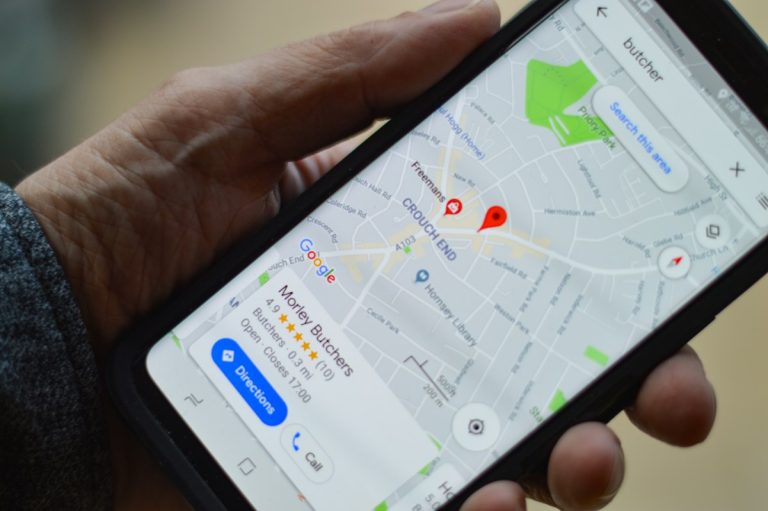
When potential customers walk within a mile of your premises, ads highlight walking directions or instant in-store collection. Contextual proximity bridges the gap between digital discovery and real-world transactions.
Time of Day and Commute Patterns
Targeting rush-hour commuters on public transport requires short, punchy copy that addresses travel frustration. Evening targeting allows for longer, educational messaging suited for relaxed mobile browsing on the sofa.
Connecting these dots used to require a dedicated engineering team. Today, unified platforms handle these data feeds automatically. To streamline search rankings alongside paid traffic, savvy operators automate your SEO with AI to keep both acquisition channels firing at the same time.
How AI CMO Reinvents Multi-Channel Marketing Automation
Marketing should not require wrestling with half a dozen disconnected dashboards every morning. Growth requires clarity, automation, and speed.

AI CMO provides an all-in-one marketing platform built specifically for SMEs, startups, and agile marketing teams. Instead of functioning as an analytical dashboard that just tells you what went wrong yesterday, it acts as an execution engine.
Here is how AI CMO simplifies operations:
- 24/7 autonomous monitoring: The system tracks performance, local rankings, and engagement continuous, making micro-adjustments without waiting for manual reviews.
- Cost savings: Eliminates expensive agency retainers and cuts out redundant SaaS subscriptions.
- Hands-on, simplified interface: You don’t need a PhD in data science; set your strategic business goals, and the system handles the operational execution.
- Unified multi-channel alignment: Paid campaigns, location-based efforts, and organic search work together under one system rather than working against each other.
If you are ready to scale customer acquisition without doubling your headcount, you can explore AI CMO: unified AI marketing automation for digital growth and take back control of your marketing pipeline.
Best Practices for Launching Your First Dynamic Campaign
Ready to build your first dynamic campaign? Do not overcomplicate things on day one. Follow these actionable steps to keep execution clean and profitable:
1. Establish Core Creative Guardrails
Give your dynamic engine flexible boundaries. Pick a robust layout with clean typography, obvious buttons, and neutral background spaces. Dynamic text varies in length; ensure your templates handle both short headlines and longer, multi-line phrases without breaking the layout.
2. Choose Two High-Impact Triggers
Do not attempt to track weather, live traffic, demographic changes, and inventory levels all at once. Start simple. Combine location (city or postal district) with time of day. Once that setup shows clear conversion lifts, introduce external triggers like weather feeds.
3. Maintain Organic and Paid Continuity
Never send someone who clicked a hyper-local ad to a generic, generic nationwide homepage. If your dynamic ad says “Fast IT repairs in Bristol”, the destination page must feature Bristol-specific details, local contact numbers, and regional case studies. You can easily enhance your local visibility by aligning your landing page metadata with your active dynamic ad parameters.
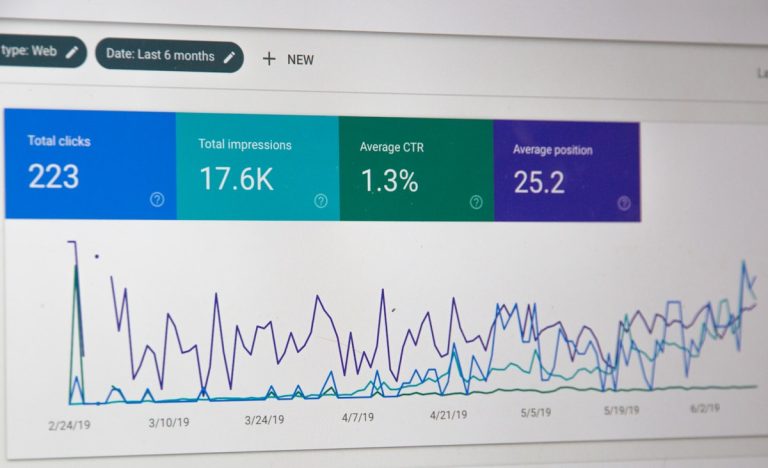
4. Review Channel Analytics Weekly
Let the platform run, but keep an eye on performance trends. Look for creative combinations that consistently outperform others. Feed those winning messages back into your broader content marketing and email automation channels. For long-term organic authority, make sure you start your SEO autopilot to keep pulling high-intent searchers while your paid ads do the immediate lifting.
Take Back Your Time and Scale with Precision
Modern marketing moves too fast for slow design queues and manual spreadsheets. Winning in today’s crowded digital space requires hyper-relevant, contextual messaging delivered straight to local buyers when they are ready to convert.
By pairing location targeting with dynamic ad optimisation, you strip out ad fatigue, slash wasted spend, and present your brand as the obvious local choice. You do not need massive creative departments or five-figure agency retainers to pull this off.
With automated intelligence handling your multi-channel execution, you can step back from mundane manual tweaks and focus on high-level growth strategy. Ready to see what intelligent marketing automation can do for your bottom line? Start your free trial with AI CMO today and build scalable campaigns that deliver real results.