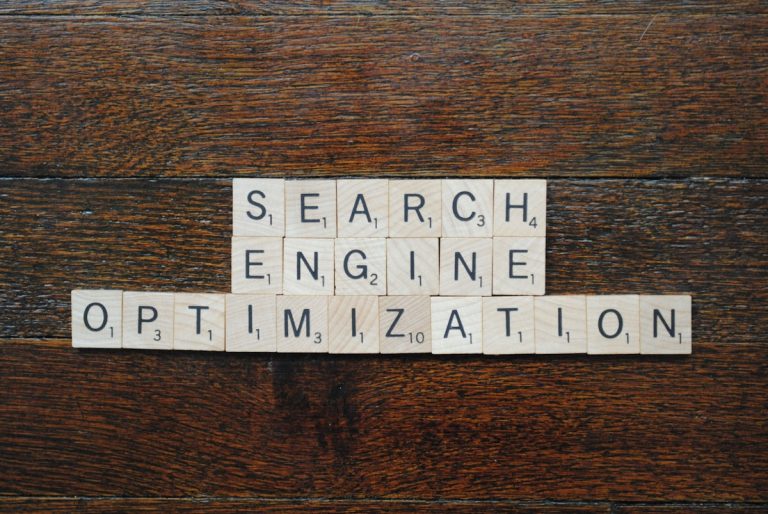
The Zero-Click Earthquake: Why Search Is Changing Forever
Let us be completely honest with each other: the classic search engine results page is dying. For twenty years, the playbook for growing a business online barely changed. You picked a few keywords, wrote a 2,000-word post stuffed with headers, bought some backlinks, and waited for Google to serve ten blue links to eager visitors. That playbook has officially met its match. Today, platforms like Perplexity, ChatGPT search, and Google Gemini deliver synthesized, conversational answers right at the top of the screen. Instead of scrolling through several websites, users get immediate answers without ever clicking a external link. If your brand relies on traditional organic search visits, you are likely feeling the pinch of this massive zero-click movement.
This shift presents a multi-billion-pound question for modern founders, marketing teams, and growing brands across Europe and beyond. How do you maintain visibility when the search engine itself consumes your content and answers the user directly? The solution lies in mastering AI search optimization, moving past outdated ranking tricks to secure your position as an authoritative citation inside large language models. Rather than burning endless budgets on traditional agencies that still treat generative engines like an afterthought, forward-thinking teams are turning to AI CMO: Unified AI Marketing Automation for Digital Growth to navigate this seismic shift and automate their organic strategy.
What Is Generative Engine Optimisation (GEO)?
Traditional search engine optimisation focuses on ranking URLs on a page. Generative engine optimisation, or GEO, focuses on getting your brand recommended, cited, and summarized within conversational AI answers. When someone asks an AI assistant for the best enterprise accounting tool or a local boutique hotel, the engine does not merely pull a meta description. It queries a neural network, cross-references fresh web crawls, synthesises sentiment, and outputs a bespoke paragraph.
If you are not cited in that summary, you practically do not exist. To thrive in this new environment, your content must satisfy both traditional crawlers and generative models. That means structuring data logically, answering niche questions directly, and demonstrating genuine subject authority. Many teams struggle to balance this manually, which is why adopting SEO Automation has become essential for brands that want to keep up without burning out their teams.
The Breakdown of the Old Agency Model
For years, businesses relied on external marketing agencies to navigate search updates. But let us look at how that actually plays out for most small and medium enterprises:
- Retainers run into thousands of pounds each month with zero guarantee of measurable returns.
- Communication is slow, opaque, and hidden behind glossy monthly slide decks.
- Execution is fragmented across distinct tools, freelancers, and junior account managers.
- When search algorithms shift overnight, agencies often take months to pivot strategies.
Paying thousands of pounds for basic keyword research and manual content calendars simply makes no sense anymore. Modern businesses need real-time adaptability, not a quarterly review meeting to discuss why organic traffic dropped thirty percent.
The Disruption of Web Traffic and the Monetisation Dilemma
The financial press has highlighted a genuine crisis brewing across the tech landscape. Web publishers are watching their referral visitors drop, while search giants scramble to protect their traditional advertising revenues. When an artificial intelligence summary answers a user query instantly, the publisher gets no page view, no ad impression, and no affiliate click.
So, how do brands survive when direct referral traffic declines? You change what you measure. Search visibility is no longer just about raw clicks. It is about brand citations, conversational real estate, and direct sentiment. If an artificial intelligence engine repeatedly recommends your product as the top solution in your niche, the high-intent buyers who do click through are far more qualified. Instead of chasing millions of casual, low-intent clicks, businesses are focusing on being the authoritative source that machines trust.
Why Legacy Marketing Toolkits Fall Short
Take a look at the software stack most businesses use today. You might have one tool for keyword tracking, another for competitor backlinks, a third for social scheduling, and perhaps a general inbound marketing suite.
Tools like SEMrush and Ahrefs offer fantastic analytics databases, but they stop at data. They hand you complicated charts, leaving the hard, time-consuming execution entirely on your plate. Platforms like HubSpot or Marketo provide marketing automation, but they do not automatically execute AI search optimization or generative search targeting at an operational level.
You end up with a dozen open tabs, fragmented insights, and an escalating software bill. You are essentially paying to manage software rather than growing your business.
To break free from this cycle, smart marketers rely on Start Your SEO Autopilot workflows that actually execute the technical work instead of just showing you a red dashboard alert.
How AI CMO Solves the Generative Search Puzzle
This operational bottleneck is precisely where AI CMO steps in. Instead of acting as another passive reporting dashboard, it functions as a comprehensive digital marketing automation tool. It combines SEO, GEO, and multi-channel strategies into a single platform designed specifically for growing businesses, startups, and lean marketing departments.

Here is how it fundamentally changes the way you approach the market:
1. Hands-On Operational Automation
AI CMO does not just give you advice; it handles operational intricacies. From identifying content gaps that generative engines are actively querying to executing data-driven content strategies, the system works continuously in the background. It turns what used to be a full-time, multi-person operational headache into a smooth, automated workflow.
2. Built for AI Search Optimization and GEO
Generative search engines evaluate context, brand relevance, and semantic depth differently than legacy crawlers. AI CMO is built from the ground up to address these factors. By continuously refreshing and structuring your site content, it ensures your brand earns citations across conversational engines. To claim your local and regional share of voice, you can Enhance Your Local Visibility without manually configuring every single location page.
3. Continuous 24/7 Monitoring and Optimisation
Algorithms do not sleep, and neither do conversational models. AI CMO operates around the clock, tracking performance shifts and adjusting your visibility parameters in real time. If a new conversational query pattern emerges within your industry, the system recognizes it and refines your footprint automatically.
By leveraging Automate Your SEO with AI features, your brand stays agile, responding to algorithmic fluctuations in days rather than quarters.
The Strategy Behind Winning the New Search Landscape
If you want to dominate search over the next three to five years, you must alter your operational tactics today. Here is the exact framework modern teams are using to stay ahead:
- Shift from Keywords to Concepts: Do not simply write for a single phrase. Build dense, helpful information clusters that directly answer real user problems. Generative engines favour comprehensive context over exact-match phrases.
- Target Conversational Intent: People talk to artificial intelligence engines differently than they search on Google. They ask full questions, provide background constraints, and demand specific comparisons. Ensure your digital assets answer these natural queries directly.
- Establish Verifiable Authority: Generative engines look for consensus across the web. Structured data, precise facts, and consistent regional presence play a major role in earning citations. You can Master GEO Targeting with AI to ensure regional directories, local citations, and generative answers all align with your core brand identity.
- Eliminate Human Operational Bottlenecks: Human marketers should focus on creative positioning, product excellence, and brand narrative. Routine technical audits, meta revisions, and contextual content updates should be handled by automation.
Whenever you need to expand your local footprint and target regional prospects accurately, using Boost Local Search Rankings capabilities will ensure that your business remains the primary recommendation for conversational local searches.
Taking Back Control of Your Marketing Budget
The modern digital marketing software market is expanding rapidly, with businesses worldwide moving toward automated, data-driven decisions. Yet far too many businesses remain trapped in the past, spending tens of thousands of pounds on agency retainers that yield questionable results, or juggling five different analytics platforms that create more work than they save.
You do not need an army of consultants to interpret search data. You need a unified, transparent platform that executes on that data continuously. By combining deep search intelligence with automated execution, AI CMO bridges the gap between high-level brand strategy and the day-to-day work required to win.
If you are ready to stop chasing algorithm updates and start dominating conversational answers, it is time to upgrade your tech stack. Streamline your entire organic growth strategy, secure your brand authority inside generative engines, and Boost Your Search Rankings Now with a platform engineered for the future of search.