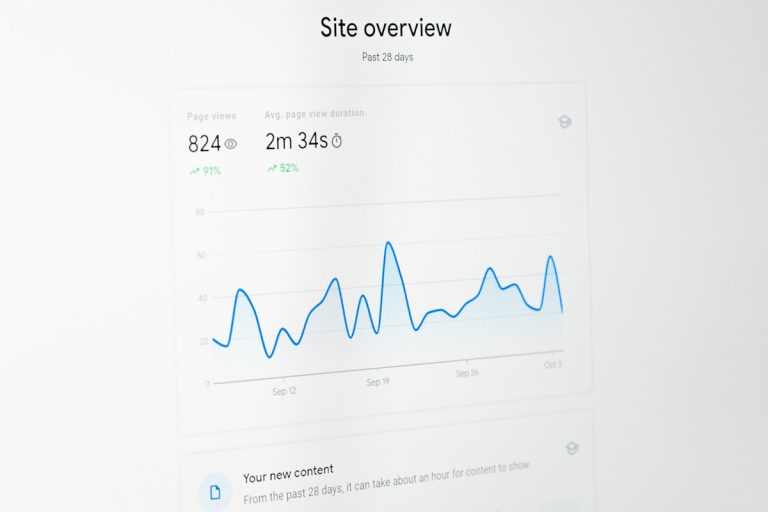
AI marketing automation workflows are event-triggered operations connecting live data streams directly to large language models and operational execution tools. They handle routine digital marketing chores, such as auditing technical site health, repairing broken structured data, updating content clusters, and tracking citations across search engines and generative answer models. Implementing these autonomous systems replaces messy spreadsheets, preserves sanity, and protects organic reach across modern digital platforms.
The Autonomous Playbook: Why Traditional Setups Fall Short
Most digital marketing setups feel like a ticking time bomb. You are juggling brittle Zapier webhooks, manually monitoring ranking drops across search consoles, and guessing whether conversational engines like Perplexity, ChatGPT, or Google AI Overviews even know your company exists. Trying to manage schema updates, international copy, content refreshes, and lead scoring by hand burns teams out fast. Forward-thinking teams turn to AI CMO: Unified AI Marketing Automation for Digital Growth to connect live performance signals directly into autonomous, context-aware operations.
Old-school if-this-then-that automations break the moment a page layout shifts or a competitor publishes a surprise guide. They cannot read context, reason through problems, or write persuasive copy. Modern marketing automation workflows leverage machine intelligence to read real-time data, diagnose root causes, and execute tasks with zero manual effort. Instead of wasting forty hours a week firefighting operational drift, your stack runs quiet background routines that preserve your competitive edge.
How Does an AI Marketing Automation Pipeline Work?
Every reliable automated marketing system relies on three linked operational stages:
- The Event Trigger: The initial condition or data point that begins the sequence. Examples include ranking shifts inside Google Search Console, a 404 error spike, a new inbound lead form submission, or a scheduled recurring cron check.
- The AI Reasoning Engine: An intelligent model that assesses the context. It determines search intent, evaluates structural HTML integrity, drafts relevant copy, or normalises international spelling and pricing.
- The Execution Action: The programmatic hook that commits the necessary update. This step writes JSON-LD schema to your CMS, posts alerts to team communications channels, updates pipeline records, or sends dynamic emails.
How Do Workflows Balance Traditional SEO and GEO Visibility?
Traditional search engine optimisation concentrates on blue link rankings, crawl budgets, and backlink authority. Generative Engine Optimisation (GEO) focuses on conversational artificial intelligence systems, ensuring models cite your organisation when buyers ask questions.
Handling both manually is an impossible chore. Autonomous workflows address this challenge across several distinct operational fronts:
- Automated Code and Schema Auditing: Nightly validation routines catch broken redirects, faulty canonical tags, and malformed structured data before search bots downgrade your authority.
- Continuous Content Refreshes: Automated monitors flag falling organic impressions and insert missing semantic subtopics immediately.
- Generative Engine Tracking: Scheduled monitors run conversational prompts to ensure your brand appears inside generated summaries. You can Master GEO Targeting with AI to protect conversational presence without spending hours writing manual prompt evaluations.
- Instant Regional Localisation: Automated sequences modify regional vocabulary, currencies, and regulatory disclosures between the United Kingdom, North America, Europe, and Asia-Pacific instantly.
The Complete Directory: 50 AI Marketing Automation Workflows
Below is an actionable, comprehensive list of 50 intelligent marketing automation workflows, categorised across five core functional areas of digital growth.
Pillar 1: Advanced Search Engine Optimisation Workflows
1. Search Intent Keyword Clustering
- Trigger: A new batch of search queries enters your analytics database.
- AI Reasoning: Groups queries by informational, commercial, or transactional intent, assembling them into semantic topic clusters to avoid self-cannibalisation.
- Execution: Generates content briefs directly inside your project management board with target word counts and required heading entities.
2. Autonomous Content Refresh Sequence
- Trigger: Organic impressions for a commercial landing page drop by 15% across a 30-day monitoring window.
- AI Reasoning: Examines the top three ranking search results, identifies recently introduced subtopics, and composes updated sections backed by fresh analysis.
- Execution: Submits a draft revision into your content management system via the SEO & GEO Autopilot.
3. Dynamic Snippet and CTR Optimisation
- Trigger: An indexable page generates high organic search impressions but a click-through rate below benchmark targets.
- AI Reasoning: Drafts three high-converting meta descriptions and page titles focused on specific searcher benefits.
- Execution: Deploys a 21-day metadata experiment to test and measure the winning variant.
4. Semantic Internal Link Injector
- Trigger: A new long-form resource is published.
- AI Reasoning: Scans your existing library of published articles, detects contextual keyword mentions, and selects relevant destination URLs.
- Execution: Injects contextual hyperlinks through your CMS API automatically.
5. Competitor Content Gap Alert
- Trigger: A primary competitor ranks for a high-volume commercial query that your domain does not address.
- AI Reasoning: Analyses their page structure, identifies missing angles, and builds an outline with a superior point of difference.
- Execution: Pushes a new task to your editorial backlog with a ready-to-use draft outline.
6. Dynamic JSON-LD Schema Generator
- Trigger: A product or long-form guide is set live.
- AI Reasoning: Scans page copy, isolates core entities, and formats valid schema markup such as Article, FAQ, or Product structures.
- Execution: Injects error-free code directly into your page header without manual developer intervention.
7. Vision-Based Image ALT Text Tagging
- Trigger: An editor uploads an image without descriptive accessibility text.
- AI Reasoning: Computer vision evaluates visual composition and writes concise, search-friendly descriptive text.
- Execution: Saves the descriptive tag directly to the media record.
8. Rank Drop Triage Pipeline
- Trigger: A target keyword drops three or more positions overnight.
- AI Reasoning: Evaluates whether the drop is caused by algorithm updates, lost inbound links, or crawl errors.
- Execution: Sends a diagnostic breakdown to your messaging channel with clear fixing steps.
9. Outdated Data and Citation Scrubber
- Trigger: A published resource goes 180 days without an editorial check.
- AI Reasoning: Reviews external links, dates, and historical figures against current references.
- Execution: Flags outdated claims and suggests accurate, updated figures.
10. Long-Form Resource Atomisation
- Trigger: A comprehensive guide exceeding 2,500 words is published.
- AI Reasoning: Extracts key insights to generate an executive summary, a weekly newsletter edition, and three platform-tailored discussion posts.
- Execution: Schedules the derived assets into your social publishing calendar automatically.
Pillar 2: Generative Engine Optimisation and Regional Targeting Workflows
11. Generative Engine Mention Tracking
- Trigger: A weekly scheduled query checks conversational engines like ChatGPT, Claude, and Perplexity.
- AI Reasoning: Assesses whether your brand appears in answers, checks for product hallucinations, and rates visibility against competitors.
- Execution: Logs visibility scores directly to your reporting dashboard using the AI Visibility Tracker.
12. Dynamic Geographic Content Adaptation
- Trigger: A visitor loads a page from an international IP address (for example, the United Kingdom, Europe, or North America).
- AI Reasoning: Adapts local currency symbols, regional spelling variations (such as organise versus organize), and local case studies without breaking caching rules.
- Execution: Serves localised page elements seamlessly.
13. Regional Price and Currency Harmonisation
- Trigger: Currency exchange markets move more than 2% within twenty-four hours.
- AI Reasoning: Recalculates product tiers, applying clean local pricing conventions like rounding to £99 or €119.
- Execution: Updates dynamic pricing tables across relevant commercial URLs.
14. Localised Ad Copy Customiser
- Trigger: Paid digital campaigns expand into an additional territory.
- AI Reasoning: Rewrites ad copy using local idioms, colloquial phrasing, and regional legal disclaimers.
- Execution: Imports drafts directly into your advertising account as pending campaigns.
15. Timezone-Centric Email Scheduling
- Trigger: A major company announcement is set for release.
- AI Reasoning: Groups subscribers by geographic region and historical inbox open habits.
- Execution: Queues delivery batches so each subscriber receives the message at 10:00 AM local time.
16. Google Business Profile Local Updates
- Trigger: A new regional service page is added to your website.
- AI Reasoning: Extracts core service bullet points and writes a punchy business post with a clear local call to action.
- Execution: Publishes the update directly across your relevant regional business profiles.
17. European and UK Privacy Compliance Checker
- Trigger: A new landing page targeting European or UK audiences goes live.
- AI Reasoning: Scans code for GDPR compliance disclosures, cookie consent banners, registered business addresses, and VAT details.
- Execution: Sends an immediate alert to the operations team if mandatory legal information is missing.
18. International Customer Feedback Showcase
- Trigger: A customer posts feedback in another language.
- AI Reasoning: Translates the commentary accurately, preserves original sentiment, and pulls out specific operational praise.
- Execution: Adds the translated social proof to relevant international service pages.
19. Regional Search Intent Re-mapping
- Trigger: The system detects regional vocabulary differences for identical items (like trainer versus sneaker or boot versus trunk).
- AI Reasoning: Builds regional search clusters and entity relationships for local subdirectories.
- Execution: Publishes dedicated regional landing pages tailored to specific search vocabularies.
20. Brand Sentiment Tracking Across LLMs
- Trigger: A fortnightly automated prompt run across major LLM interfaces.
- AI Reasoning: Questions models regarding product reliability, pricing value, and support quality compared to alternatives.
- Execution: Generates an objective sentiment report outlining how AI platforms perceive your business.
Pillar 3: Lead Capture and Inbound Conversion Workflows
21. High-Intent On-Site Interaction Prompts
- Trigger: A visitor spends more than 45 seconds reviewing your enterprise pricing tier.
- AI Reasoning: Evaluates user navigation history to craft a helpful, non-intrusive chat prompt addressing common buying questions.
- Execution: Serves an interactive chat widget that qualifies the lead and shares an instant booking link.
22. Predictive Lead Grading
- Trigger: A website visitor views three core service pages and downloads a whitepaper.
- AI Reasoning: Reviews firmographic data, company size, and on-site engagement velocity to assign a numeric intent score.
- Execution: Sends priority notifications to your sales reps for immediate follow-up.
23. B2B Inbound Contact Enrichment
- Trigger: A prospect completes a contact form using a business domain.
- AI Reasoning: Pulls company headcount, funding data, primary sector, and tech stack details from public corporate registries.
- Execution: Enriches the CRM record before your sales specialist initiates outreach.
24. Progressive Form Optimisation
- Trigger: A known returning contact visits a gated asset page.
- AI Reasoning: Checks the CRM record to identify already-captured information and removes redundant inputs.
- Execution: Condenses the form into a single one-click submission field.
25. Abandoned Cart Recovery Sequences
- Trigger: A user leaves the checkout process before completing payment.
- AI Reasoning: Identifies the abandoned products, anticipates common objections, and writes a helpful follow-up email addressing product specifics.
- Execution: Dispatches a structured recovery sequence offering payment support.
26. Role-Tailored Email Onboarding
- Trigger: A user signs up for a trial account and declares their operational role.
- AI Reasoning: Adapts onboarding content to focus on bottom-line business ROI for executives or technical setup steps for developers.
- Execution: Delivers an onboarding sequence tailored to the subscriber’s specific goals.
27. Automated Event Attendee Reminders
- Trigger: A user registers for an educational live session.
- AI Reasoning: Personalises reminder messaging based on the attendee’s self-selected skill level, highlighting specific agenda points.
- Execution: Dispatches calendar invites and an automated SMS reminder 15 minutes prior to the broadcast.
28. Inactive Subscriber Re-engagement
- Trigger: A registered contact shows zero platform or newsletter activity for 90 days.
- AI Reasoning: Selects three major platform enhancements rolled out during that window matching the user’s historical interests.
- Execution: Sends a focused update email showing what is new to re-ignite platform interest.
29. High-Value Account Escalation
- Trigger: An organisation matching your Ideal Customer Profile submits an initial query.
- AI Reasoning: Analyses the company’s publicly stated operational targets and creates tailored talking points for the introductory call.
- Execution: Alerts leadership via a high-priority communication channel.
30. Unsubscribe Intent Categorisation
- Trigger: A user unsubscribes from a newsletter sequence.
- AI Reasoning: Evaluates optional exit feedback (such as message frequency, topic relevance, or role changes) and categorises the reason.
- Execution: Updates CRM preferences automatically to protect overall list hygiene.
Pillar 4: Multi-Channel Content Distribution Workflows
31. Multi-Platform Social Adaptation
- Trigger: An extensive blog post is approved and published.
- AI Reasoning: Summarises primary takeaways into an authoritative long-form post for professional networks, a focused thread, and a short discussion prompt.
- Execution: Adds each asset to the social scheduler with relevant tags.
32. Audio Podcast Atomisation
- Trigger: A new podcast audio file is uploaded to your hosting repository.
- AI Reasoning: Transcribes the audio, generates accurate timestamps, drafts an engaging summary, and pulls prominent pull quotes.
- Execution: Publishes formatted show notes to your website as a search-friendly episode page.
33. Video to Optimised Article Conversion
- Trigger: A new instructional video finishes processing.
- AI Reasoning: Cleans spoken filler words from the transcript, structures logical subheadings, and contextualises key points.
- Execution: Saves an editorial draft in the CMS ready for final review.
34. Weekly Industry Roundup Assembly
- Trigger: A scheduled Friday morning workflow run.
- AI Reasoning: Reviews industry headlines alongside your newly published pieces to curate short, insightful summaries.
- Execution: Builds an email campaign draft and queues it for the editorial team to approve.
35. Integrated Professional Social Networking
- Trigger: Prospect accounts matching your ideal criteria are identified on professional networks.
- AI Reasoning: The LinkedIn Chrome Plugin assists your outreach workflow by drafting personalised notes referencing shared business topics.
- Execution: Syncs outreach activities directly into your sales tracking pipeline.
36. Brand Sentiment Alerting
- Trigger: A user mentions your company name across public social platforms or online forums.
- AI Reasoning: Evaluates tone to distinguish between positive brand feedback, general discussions, and urgent support issues.
- Execution: Routes negative or urgent messages to the support desk immediately.
37. Case Study Narrative Structuring
- Trigger: An account logs significant operational performance gains in an internal platform audit.
- AI Reasoning: Formats available system metrics into a Challenge, Solution, and Results narrative structure.
- Execution: Sends an initial case study outline to the marketing team for validation.
38. Community Forum Response Drafting
- Trigger: A user asks a technical question related to your domain on public forums.
- AI Reasoning: Searches internal technical guides to produce a thorough, unbiased answer citing helpful articles.
- Execution: Queues the proposed response in a shared workspace for quick staff review.
39. Milestone Celebration Updates
- Trigger: An organic milestone is reached (such as ranking position one for a primary target query).
- AI Reasoning: Summarises the achievement and recognises the specific initiatives that drove the result.
- Execution: Sends an automated celebratory update across internal team channels.
40. Collateral Version Maintenance
- Trigger: Product specifications or pricing structures are updated.
- AI Reasoning: Scans downloadable documents and knowledge base articles to pinpoint obsolete figures.
- Execution: Opens maintenance tasks with precise page locations for the design team.
Pillar 5: Marketing Analytics and Technical Operations Workflows
41. Daily Organic Search Digest
- Trigger: A daily early morning system timer.
- AI Reasoning: Pulls search analytics data, assesses day-over-day impression shifts, and flags unexpected spikes or dips.
- Execution: Delivers a concise 3-bullet morning report to marketing managers.
42. Paid Advertising Cost Safeguard
- Trigger: Cost Per Acquisition on an ad platform increases by 30% against standard baselines inside a 6-hour period.
- AI Reasoning: Audits search query match logs, isolates underperforming variations, and flags wasteful expenditure.
- Execution: Pauses the problem ad set automatically and alerts your media buyer.
43. UTM and Analytics Normalisation
- Trigger: Midnight daily batch scan of campaign records.
- AI Reasoning: Checks tracking tags across running campaigns, identifies irregular naming conventions, and normalises UTM labels.
- Execution: Sends unified, clean tracking records into your central reporting tools.
44. Competitor Inbound Link Alerts
- Trigger: A rival domain secures multiple high-authority backlinks.
- AI Reasoning: Examines the linking pages, notes their editorial focus, and isolates relevant editor details.
- Execution: Adds prospective outreach contacts straight into your PR pipeline.
45. Customer Account Retention Notice
- Trigger: An active account shows a 40% reduction in platform usage over 30 days.
- AI Reasoning: Studies historical feature adoption and prepares an educational email suggesting helpful workflows.
- Execution: Alerts the account management team and queues the follow-up message.
46. Executive Performance Summary Reporting
- Trigger: The last day of the calendar month.
- AI Reasoning: Combines organic visibility, converted leads, and total marketing investment into clear commercial findings.
- Execution: Compiles a streamlined summary explaining revenue contribution and next-month priorities.
47. Core Web Vitals Latency Alerts
- Trigger: Largest Contentful Paint or server response metrics drop below acceptable performance boundaries.
- AI Reasoning: Investigates whether slowdowns are caused by unoptimised images, bloated third-party code, or caching drops.
- Execution: Logs an engineering ticket highlighting the specific URLs that require attention.
48. Dynamic Advertising Budget Allocation
- Trigger: An ad set generates twice the return on investment of alternative sets across a 14-day window.
- AI Reasoning: Calculates safe spending increases to avoid creative fatigue while maximising returns.
- Execution: Shifts 10% daily spend from lagging ad sets into winning campaigns automatically.
49. Topical Authority Audit
- Trigger: A scheduled quarterly planning review.
- AI Reasoning: Groups published URLs by topic cluster, assessing traffic consistency and lead contribution.
- Execution: Highlights which topic groups need fresh content, internal links, or consolidation via the AI Content Strategist & Generator.
50. Consolidated LLM Visibility Indexing
- Trigger: A weekly scheduled crawling run.
- AI Reasoning: Compares traditional search positions with conversational AI mention frequencies into an overall brand visibility score.
- Execution: Updates the performance dashboard to give leadership a single view of search dominance.
Implementation Best Practices: How to Build Reliable Workflows
Designing effective marketing automation workflows requires disciplined setup. Rushing to connect unmanaged automations risks creating confusing loops, draining API resources, and degrading brand authority. Follow these core principles:
1. Start with Predictable, Low-Risk Tasks
Do not try to automate your whole go-to-market engine immediately. Begin with repetitive, rule-based operations. Automating image ALT text, sending internal alerts for ranking dips, and creating social drafts from published articles are excellent early wins. Perfect these simple sequences first, measure your time savings, and then tackle customer-facing automation.
2. Map Triggers, Decisions, and Safeguards
Visualise every step before integrating webhooks. Exactly what condition starts the run? What happens if an API returns an incomplete response? What is the backup plan if an external service goes offline? Putting solid error handling in place ensures sequences fail quietly without breaking public-facing pages.
3. Maintain Human Review on High-Stakes Assets
Automation handles research, indexing, and technical audits with incredible speed, but human judgment remains critical for tone and brand positioning. Use automation to build drafts, spot issues, and compile data. Keep a manual approval gate before sending mass emails or updating core commercial pages.
4. Consolidate Your Software Stack
Juggling six different tools for rank monitoring, content drafting, backlink audits, and workflow coordination creates fragile setups that break whenever an API updates. Using an integrated platform keeps your search monitoring, content planning, and distribution running seamlessly together.
Frequently Asked Questions
What are marketing automation workflows?
Marketing automation workflows are coordinated, trigger-based sequences that execute marketing operations automatically. They handle recurring tasks like checking keyword ranking adjustments, revising metadata, segmenting prospective customers, and sharing content across digital channels without manual intervention.
How does AI transform traditional marketing automation?
Traditional automation simply shifts static data between software tools using rigid if-this-then-that scripts. AI introduces intelligent reasoning and content creation. An AI-powered workflow evaluates user intent, crafts context-aware copy, adapts to regional phrasing, and resolves nuanced tasks without human scripting.
How do automated workflows improve GEO visibility?
Generative Engine Optimisation requires fresh data, accurate entity definitions, and consistent brand citations so conversational AI models can quote your business. Workflows track your mentions across AI models, identify informational gaps, and keep structured data updated so answer engines interpret your brand authority accurately.
Will marketing automation workflows harm content quality?
Not when planned with appropriate safeguards. When AI handles technical checks, initial drafts, and performance monitoring while human editors direct creative strategy and high-stakes approvals, businesses actually see better consistency, fewer errors, and faster delivery.
How many workflows should a growing business start with?
Start with two or three foundational workflows. Focus first on technical website auditing, internal linking, and content repurposing. Once those run smoothly and free up team time, add advanced processes like lead enrichment, GEO tracking, and dynamic regional personalisation.
Take Control of Your Automated Marketing Growth
Digital marketing moves far too quickly for manual spreadsheets and slow agency check-ins. By deploying practical marketing automation workflows, you secure your search rankings, respond to prospects immediately, and ensure AI platforms consistently recommend your business.
Ready to put your digital visibility on autopilot? You can Automate Your SEO with AI and scale your search reach without expanding your headcount.