The Evolution of Search: Why Your Traditional Stack Is Slowing You Down
Remember studying for certifications, memorising keyword difficulty scores, and spending entire weekends clicking through endless dashboard tabs? For years, every digital marketer was told that mastering an integrated SEO toolkit was the golden ticket to organic traffic. We opened audits, exported massive spreadsheets of broken links, grouped keyword clusters manually, and then stared at a mountain of technical tasks we rarely had the bandwidth to execute. Legacy toolkits gave us diagnostics, but they left all the actual labour on our plates. If you are tired of spending hours juggling tabs instead of driving revenue, you can discover AI CMO: Unified AI Marketing Automation for Digital Growth to transform how your team handles organic discovery.
Today, search is changing faster than manual workflows can track. Between generative AI overviews, zero-click answers, and hyper-local search intent, traditional software suites show you what went wrong yesterday instead of fixing what you need tomorrow. Small marketing teams and growing businesses simply cannot afford to spend forty hours a week babysitting dashboards. We do not need more charts showing dropped rankings; we need autonomous execution. It is time to shift focus from manual diagnostics to continuous optimisation that operates quietly in the background while you build your business.
The Certification Trap: Studying Tools Instead of Driving Growth
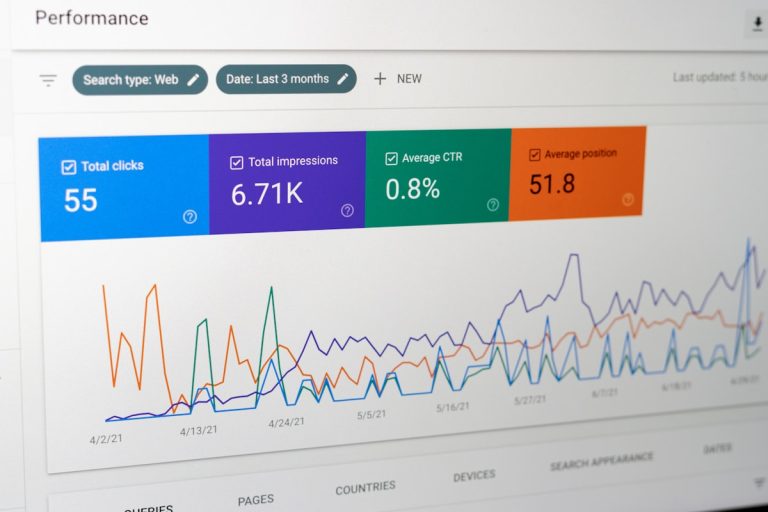
If you have ever flipped through exam flashcards for legacy platforms like Semrush or Moz, you know the drill. You learn how the Keyword Magic Tool groups phrases, how Domain Overview visualises backlink velocity, and how Site Audit flags 404 redirects. These features are undeniably smart. They turn complex raw web data into readable reports.
Yet, there is a fundamental flaw in this traditional workflow. Identifying a problem is not the same as solving it.
Consider a standard site audit workflow using a legacy platform:
- You run a weekly crawl that flags 142 missing meta descriptions, 18 schema errors, and 35 pages with thin content.
- You export those issues into a CSV spreadsheet.
- You create tickets in your project management software for developers and copywriters.
- You wait two to three weeks for approvals, revisions, and deployment.
- By the time the fixes go live, search engine algorithms have already adjusted, and your competitors have published fresh content.
Legacy platforms treat the user as the labourer. You pay hundreds of pounds each month for the privilege of receiving an alert that tells you to do more work. For smaller teams, startups, and agile agencies, this model creates a persistent backlog of technical debt. When resources are limited, you need systems that bridge the gap between analysis and action. To break free from this constant maintenance cycle, you can Automate Your SEO with AI and eliminate tedious manual tasks entirely.
Why Manual Toolkits Fall Short in Generative Search
The search landscape is no longer just a list of ten blue links. Modern search involves conversational engines, AI snapshots, and dynamic answers. When potential customers search for your services today, they might be using traditional search bars, or they might be relying on large language models and geo-targeted digital assistants to curate recommendations.
An integrated SEO toolkit built a decade ago still approaches search through a purely relational database lens: volume, keyword difficulty, and domain authority. While those metrics still matter, they ignore the speed required to stay competitive now.
1. Diagnostic Data vs Execution Power
Traditional platforms give you data points, but they leave execution entirely to you. You see that a competitor outranks you for a high-intent term, but your toolkit will not draft the missing subheadings, inject structured schema markup, or update your internal linking architecture automatically.
2. Fragmented Stacks Drain Time and Capital
Most modern marketing setups are a patchwork of disconnected software. You pay for one tool for rank tracking, another for content ideation, a third for backlink monitoring, and an agency retainer to interpret all three. This fragmentation leads to inconsistent execution and ballooning overheads. When you want to streamline your regional footprint across territories, you can Master GEO Targeting with AI without stitching together separate subscriptions.
3. Latency Kills Search Momentum
Search engines re-evaluate queries continuously. If your current workflow relies on running a monthly crawl and manually updating pages over the next quarter, your site operates on stale data. Winning in competitive spaces requires continuous, real-time adjustments.
What Real SEO Automation Looks Like
To move beyond the limitations of manual suites, we must redefine what an integrated SEO toolkit should actually do. It should not merely report; it should act.
Imagine an infrastructure that monitors search signals around the clock. When search trends shift or a page loses ground, the system identifies the gap, formulates the fix, and prepares the deployment. This is the difference between an inspection tool and an autopilot system.
Instead of spending your Monday morning sifting through position tracking reports, intelligent systems run continuous technical hygiene, maintain your content hierarchy, and ensure your brand remains visible across both traditional and AI-driven answer engines. When you step away from operational intricacies, you free up mental space to refine your value proposition, speak with customers, and direct overall business strategy.
To see how hands-off management can transform your search strategy, explore how you can Start Your SEO Autopilot and let intelligent workflows handle routine maintenance on your behalf.
Bridging the Gap: How AI CMO Replaces the Agency Retainer
Many growing businesses turn to external marketing agencies because they do not have the internal hours to run an integrated SEO toolkit effectively. However, traditional agency models come with their own frustrations: steep monthly retainers, slow communication loops, and opaque monthly reports that hide behind vanity metrics.
AI CMO was designed to dismantle that false choice between expensive agency retainers and exhausting do-it-yourself toolkits. By pairing intelligent machine workflows with real-time marketing data, it functions as an autonomous executive layer for your brand.
Here is how the dynamic changes:
Continuous Search Operations
Algorithms never sleep, and your optimisation efforts should not either. Rather than waiting for a scheduled quarterly review, an autopilot platform constantly tracks performance, evaluates shifting intent, and updates technical markers 24/7.
Transparent, Data-Driven Content Strategies
Content marketing often fails because teams produce articles based on loose assumptions rather than cold search demand. Autonomous marketing platforms analyse live search patterns, customer behaviour, and regional variations to guide content production, ensuring every piece of published material answers genuine search queries. If regional traffic is a core focus for your organisation, learning to Enhance Your Local Visibility ensures your physical and service locations appear right when high-intent buyers search nearby.
Unifying SEO and GEO Targeting
Modern discoverability goes far beyond national rankings. Generative Engine Optimisation (GEO) and local search demand precise, location-aware optimisation. AI CMO blends standard search mechanics with local geographic targeting, ensuring your brand establishes authority across standard search pages and conversational AI answers alike.
For teams ready to escape the chaos of multi-tab marketing, switching to an integrated SEO toolkit designed for automated execution makes real-time ranking adjustments simple and accessible.
Practical Steps to Transition from Manual Toolkits to Autopilot
Making the jump from legacy, manual SEO workflows to an autonomous framework does not have to be overwhelming. You do not need to discard your entire strategy overnight. Instead, treat it as an upgrade in efficiency:
- Audit Your Current Tool Costs and Time Spent: Calculate how much you pay monthly across separate SEO suites, rank trackers, and agency fees. Then, track how many hours your internal team spends clicking through dashboards and writing reports. You will likely find significant waste.
- Automate Baseline Technical Fixes: Stop wasting human talent on fixing canonical tags, updating broken redirects, and re-checking sitemaps. Hand these repetitive maintenance items over to automated scripts and platforms.
- Shift Content from Reactive to Real-Time: Instead of brainstorming topics in a vacuum, connect your publishing pipeline to continuous intent monitoring. When queries in your niche surge, your platform should immediately generate and structure relevant, high-value content. You can Boost Your Search Rankings Now by deploying intelligent content workflows that adapt immediately to market movements.
- Target Both Traditional and Generative Engines: Ensure your structured data, brand citations, and factual entity references are pristine so conversational search engines cite your business accurately.
- Focus Human Energy on Brand and Conversion: With operational SEO handled, your marketing team can focus on improving product offerings, closing deals, and building genuine partnerships that software cannot replicate.
Moving away from the legacy cycle of manual data entry does not mean giving up control. It means placing that control where it matters most: strategic business growth. By moving beyond manual dashboards to an autonomous integrated SEO toolkit, you protect your time, slash overheads, and build a lasting search presence that thrives in modern search engines. When you are ready to stop managing tedious spreadsheets and start scaling your discoverability with confidence, take the next step and Boost Local Search Rankings using intelligent, 24/7 automation built for modern business.