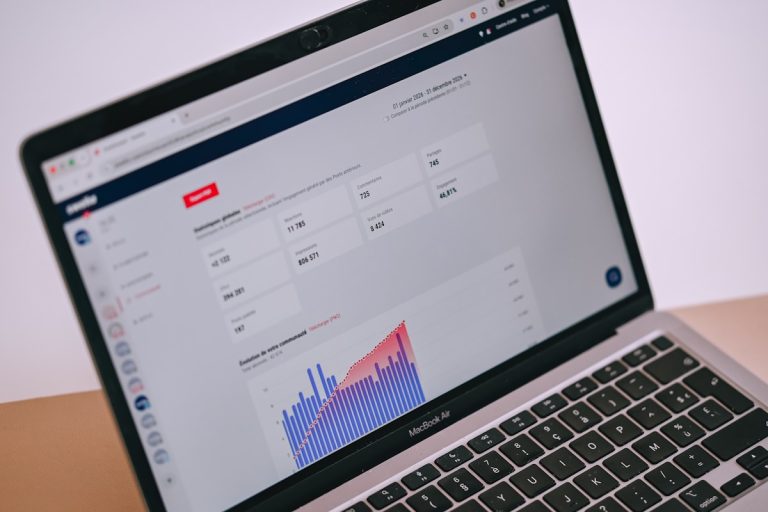
The Truth About Campaign Performance Analytics and Broken Dashboards
Let us be honest for a second: running multi-channel campaigns today feels like juggling flaming torches while blindfolded. You log into Google Ads, switch to Meta, glance at LinkedIn, and check your organic search metrics. Every single screen tells a completely different story. One platform claims thirty conversions, another claims twenty, yet your bank account only shows ten sales. Standard reporting tools simply dump raw numbers onto your screen, leaving you to guess where your marketing budget actually went. When you cannot connect the dots between your spend and real revenue, you are flying blind.
True clarity comes from cutting through the noise and automating the hard operational tasks. To scale efficiently without wasting thousands of pounds on disconnected channels, smart teams rely on streamlined campaign performance analytics through AI CMO. By pulling every touchpoint into one unified view, you no longer need five different agency account managers or twenty browser tabs open just to answer a basic question: is our marketing actually working? This guide breaks down why standard tracking fails, how ad verification protects your budget, and how intelligent automation fixes your entire reporting pipeline.
Why Standard Multi-Channel Analytics Lie to You
Most marketing dashboards operate on a simple principle: garbage in, garbage out. If you pump flawed data into your decision-making, your strategy falls apart.
Here is the dirty secret of modern paid media: a huge chunk of your traffic is not human. Automated scripts, scrapers, click farms, and competitors routinely eat away at your daily budget. Platforms like Google Analytics measure user sessions, but they cannot tell the difference between an excited buyer and a headless Python script pinging your landing page from a data centre.
When non-human traffic hits your ads, your cost per acquisition looks terrible. Your click-through rates look artificially high. Even worse, modern ad networks rely heavily on smart bidding algorithms. These machine learning models watch user activity and hunt for more users with identical profiles. When bots trigger pages or complete fake form fills, the ad platform assumes it found your ideal customer. It then aggressively bids on more bot traffic. You end up subsidising automated scrapers while your real prospects see fewer ads.
The Ad Fraud Dilemma: Why ClickSambo Solves Only Half the Puzzle
Tools like ClickSambo highlight this exact dilemma. ClickSambo focuses heavily on ad verification, bot filtering, and PPC fraud detection. Their approach is straightforward: intercept invalid traffic before it corrupts your ad platforms. By flagging fraudulent IPs and identifying bot signatures, ClickSambo prevents Google Ads from learning from fake engagement signals.
That protective layer is undeniably useful. If twelve per cent of your clicks come from malicious scrapers, stripping them out saves money. Clean data gives you a clearer picture of real human interest.
However, stopping fraud is only one piece of the puzzle. ClickSambo works primarily as a defensive security guard for your PPC accounts. It spots invalid traffic, but what happens next?
- It does not fix your organic search strategy.
- It does not create and publish high-ranking, local content.
- It does not adjust your overall multi-channel messaging.
- It cannot tell you how to reallocate creative resources between organic and paid channels.
A fraud prevention tool tells you what went wrong with an ad click. It cannot run your marketing department for you. If you still have to manually decipher the clean numbers, build campaigns, write copy, and manage regional visibility, you are still stuck doing hours of heavy lifting. Marketers looking to dominate local markets need solutions that actively build presence, which is why learning to enhance your local visibility with AI makes all the difference when pairing traffic protection with active brand growth.
Moving from Passive Dashboards to Autonomous Execution
Imagine having a full-time Chief Marketing Officer who works twenty-four hours a day, never sleeps, and does not cost six figures a year. That is the foundational concept behind AI CMO.
Instead of merely acting as a passive dashboard that displays charts, AI CMO combines deep analytics with direct execution. Small to medium enterprises and agile startups rarely have the luxury of hiring a dedicated data analyst, a paid media buyer, and an SEO specialist. They need one platform that connects search intent, regional targeting, and full campaign tracking automatically.
When you centralise your operations, you stop paying for a bloated stack of single-purpose subscriptions. You do not need one tool for keyword research, another for conversion tracking, a third for local landing pages, and a fourth for reporting. Mastering multi-channel campaign performance analytics becomes an effortless byproduct of running your marketing on an integrated system that actually takes action on the data it gathers.
Smarter Search Visibility: Automating Organic Traffic
While paid ads deliver immediate traffic spikes, organic search builds your enterprise value over the long haul. The problem? Traditional SEO takes months of tedious work, keyword clustering, drafting outlines, and tracking search engine rankings. Most small marketing teams simply run out of bandwidth.
This is where automated content operations change the rules. Instead of manually brainstorming topics, checking competitor backlinks, and writing drafts over dozens of hours, you can automate your SEO with AI to keep your search presence consistently fresh.
When your SEO runs on continuous autopilot, your content production aligns directly with your analytical insights:
- Instant Topic Gap Detection: The system spots keywords where your competitors are slipping and automatically creates targeted content to claim the top spots.
- Continuous Updates: Rather than letting old articles decay, algorithms identify content losing traffic and refresh it with updated insights.
- Intent Alignment: Content is constructed to answer real search queries, ensuring that human readers find immediate value rather than keyword-stuffed filler.
The Local Frontier: Mastering GEO Targeting
For businesses that rely on regional customers, broad national campaigns are an easy way to burn through cash. If you sell services in Manchester, clicks from London or Edinburgh are simply a waste of money.
Modern search algorithms have become hyper-local. When prospects search for solutions, search engines serve results tailored down to their specific town or postcode. Managing this manually across dozens of regional service areas is a logistical nightmare.
By leveraging regional intelligence, you can boost local search rankings across multiple target cities without creating thin, duplicate pages. The platform tailors context, mentions relevant local landmarks, and structures technical data so search engines recognise your local authority. Instead of running broad, expensive ad campaigns that drain your budget on out-of-market clicks, you secure targeted local traffic that actually converts into paying customers.
Key Campaign Performance Analytics Metrics You Must Track
To ensure your marketing strategy delivers real returns, you must ignore vanity metrics and focus on the numbers that drive business health.
- Human Conversion Rate (HCR): Track conversions against verified human visitors rather than total sessions. If you record one hundred leads from ten thousand raw hits, your conversion rate looks low. But if two thousand of those hits were bots, your actual human conversion rate is much higher, showing your landing page copy is working.
- Blended Cost Per Acquisition (CPA): Do not evaluate paid channels in a silo. Look at how paid brand awareness lifts organic search volume and direct conversions.
- Regional Conversion Velocity: Identify which geographic areas produce the fastest sales cycles. Funnel more resources into those high-performing zones.
- Organic Search Share of Voice: Monitor your visibility across high-intent keywords over time. Teams ready to expand their organic footprint can start your SEO autopilot to capture market share without increasing manual workload.
- Algorithmic Signal Integrity: Ensure that the conversion data sent back to ad networks reflects genuine high-value sales, training network algorithms to find better prospects.
Final Thoughts: Reclaim Your Time and Scale Intelligently
Digital marketing should not be an endless cycle of deciphering spreadsheets, dealing with unresponsive agencies, and stressing over click fraud. When you combine rigorous data verification with proactive marketing automation, you gain a massive competitive edge over brands still stuck in manual workflows.
Take control of your growth strategy today. Instead of spending hours jumping between fragmented reporting tools, let intelligent systems run your operations while you focus on the big picture. Discover how simple and effective modern marketing can be with unified AI marketing automation for digital growth with AI CMO.