Why Most Multi-Channel Marketing Data Just Collects Digital Dust
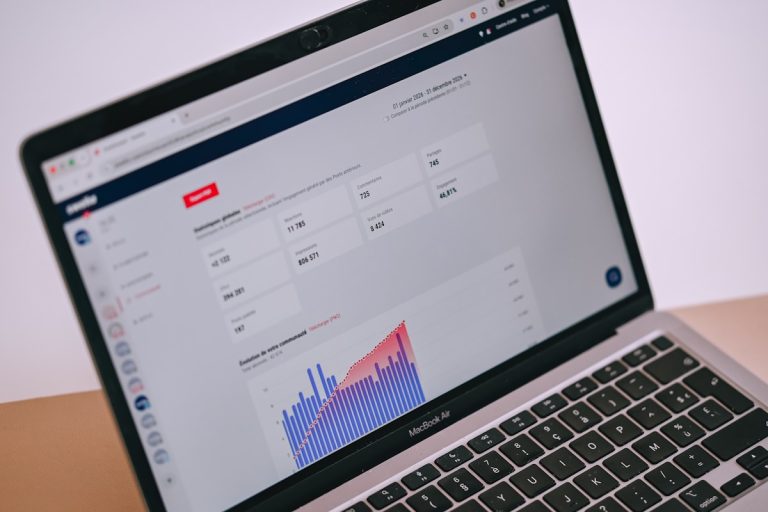
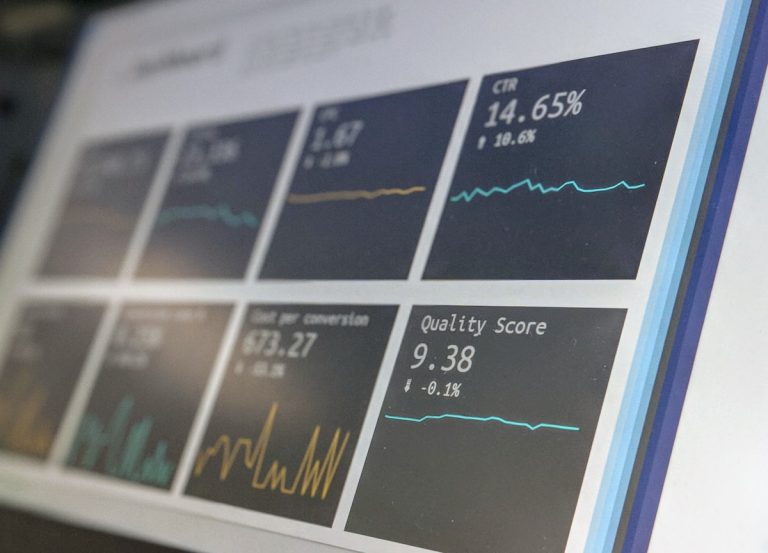
Sending out thousands of SMS pings, WhatsApp updates, push notifications, and email blasts feels productive. You watch your dashboard tally up sent figures, check off your weekly task list, and wait for revenue to climb. Yet, when you dig into the actual numbers, you hit a wall: delivery figures do not match engagement rates, bounce rates creep up across channels, and nobody knows which platform truly drove the sale. Evaluating your multi-channel outreach should not feel like an unsolved maths puzzle. When you run modern marketing operations, mastering your campaign performance analytics is the only way to separate profitable outreach from wasted budget.
Most small to medium businesses end up stuck using raw data dashboards designed for enterprise telecom giants, platforms that dump massive tables of raw metrics on your screen without telling you what to alter next. When you integrate a unified intelligence engine like AI CMO: Unified AI Marketing Automation for Digital Growth, you turn these disconnected figures into immediate, autonomous action. Instead of drowning in spreadsheets across five distinct messaging portals, modern teams are handing the operational headaches over to artificial intelligence to refine their messaging across borders and channels in real time.
The Illusion of Raw Dashboard Delivery
Take a look at how standard enterprise platforms, like Infobip, track broadcast messaging. They offer plenty of detail: metrics tracking attempted voice calls, deliverable destinations, post-validation logs, and specific HTTP-level drop rates. You can see separate performance tabs for RCS, Viber, Kakao, and standard email.
On paper, this level of logging looks comprehensive. In reality, it leaves a growing business with three massive problems:
- Data fragmentation: Your email open rate lives in one tab, your SMS click metrics sit in another, and your organic search traffic hides elsewhere.
- Passive reporting: A telecom dashboard reports that 14% of your WhatsApp messages bounced due to invalid placeholders. It will not rewrite your copy or clean up your audience segmentation automatically.
- Data shelf life: Platforms often drop your granular logs after 12 months, wiping out the historical context you need to plan seasonal campaigns.
Here is the truth: tracking deliverable destinations is not marketing strategy. It is plumbing. It tells you whether your message went through the digital pipes, but reveals nothing about audience intent, local search impact, or revenue attribution.
Dissecting Broadcast Metrics: Delivery vs Real Engagement
To fix your campaign performance analytics, you need to understand where standard dashboards stop helping and start wasting your time. Broadcast metrics fall into two distinct buckets: technical delivery and actual human engagement.
Technical Delivery: The Bare Minimum
Before anyone reads your copy, your broadcast has to clear delivery hurdles. Most communications platforms evaluate:
- Deliverable Destinations: The deduplicated list of numbers or addresses after system validation.
- Accepted vs Sent: Accepted means the carrier platform took the payload; sent means it was actively dispatched toward the recipient device.
- Seized Calls and Answer Seizure Ratio: In voice broadcasts, this monitors whether an outbound call actually connected to an active exchange and rang.
- Dropped and Bounce Rates: Soft bounces (temporary server issues) versus hard bounces (defunct email addresses or invalid SIM profiles).
These metrics are essential for technical audits, but they do not show user interest. If you deliver 100,000 SMS messages to inactive accounts, your delivery rate looks sparkling, but your conversion rate is flat zero.
Engagement Metrics: Where Decisions Happen
Once a message lands, you need to look at post-delivery interaction:
- Seen vs Opened: Email relies on tracking pixels (frequently blocked by modern privacy protections), whereas RCS and WhatsApp use read receipts that end users can switch off.
- Total Clicks vs Unique CTR: Total clicks include your hyperactive power users clicking four times on the same link. Unique CTR tells you the true reach across your unique contact base.
- Click-to-Open Rate (CTOR): The definitive measure of copy effectiveness. If someone opens your broadcast, did your copy convince them to click through?
If you spend all your time clicking back and forth between these tabs to balance budget allocations, you are acting as an underpaid data coordinator. This is where teams are choosing to Start Your SEO Autopilot to align broadcast communications with autonomous, continuous inbound search traffic.
Comparing Approaches: Manual Broadcast Dashboards vs AI CMO
| Campaign Capability | Traditional Broadcast Analytics (e.g., Infobip) | AI CMO Autonomous Engine |
|---|---|---|
| Core Function | Passive data reporting across messaging channels | Unified, autonomous marketing execution and continuous optimisation |
| Operational Effort | High: Marketers must manually pull CSVs and reconcile numbers | Low: Operates 24/7 in the background with minimal human intervention |
| Search & Web Synergy | None: Broadcasts remain isolated from web traffic engines | Deep: Unifies outbound channels directly with SEO and local search strategies |
| Actionability | Descriptive: Tells you what failed after the budget is spent | Prescriptive & Proactive: Adjusts audience targeting and messaging automatically |
| Cost Structure | Per-seat licences, platform fees, plus agency retainers | Flat, cost-effective alternative to costly agencies and fragmented tools |
Standard analytics engines show you the wreckage after a campaign underperforms. A unified AI system acts like an in-house director of marketing, identifying audience drop-off instantly and pivoting content assets before you burn through your budget.
Bridging the Gap: Broadcast Outreach Meets GEO Targeting
When sending an email or push notification to a multi-region audience, a single generic message will fall flat. A subscriber in London reacts to different value triggers, colloquialisms, and local hooks than a reader in Manchester, Paris, or Berlin.
Traditional broadcast analytics show you outbound traffic grouped by destination country and mobile operator. That is helpful for telecom routing, but it tells you nothing about local search intent. If your broadcast encourages users to visit a retail hub, book a local service, or access regional digital services, it needs to link directly with your location strategy.
Using intelligent location automation, you can Master GEO Targeting with AI to guarantee that regional broadcasts point to hyper-relevant, locally targeted landing pages. When your outbound messaging and location-based organic presence reinforce one another, your customer acquisition cost drops significantly.
Instead of running broadcast campaigns in a vacuum, you align outbound communications with real-time geographical visibility. If your campaign analytics reveal surging engagement in a specific city, your marketing engine should immediately capitalise on that signal by expanding local organic search coverage.
Fixing the Real-Time Attribution Problem
One of the biggest headaches in campaign performance analytics is the delay between campaign delivery and data analysis. In a standard setup, a marketer sends a broadcast on Tuesday, exports the data on Friday, scrubs the numbers in a spreadsheet over the weekend, and presents a report the following week.
By that point, the data is cold. The window to retarget warm leads, adjust messaging, or clean out unengaged subscribers has closed.
To drive genuine growth, your analytics must prompt immediate operational adjustments:
- Automated List Pruning: Automatically moving persistent non-openers to a lower-frequency cadence to protect domain reputation and cut SMS routing costs.
- Dynamic Content Matching: Analysing which links generated the highest unique clicks, then generating fresh, highly targeted content that matches that exact topic.
- Budget Reallocation: Shifting marketing resources from low-performing channels toward the platforms and geographic regions delivering the highest engagement.
You can Automate Your SEO with AI so that these insights feed directly into your organic content strategy. When an outbound campaign topic sparks massive click-through rates, your organic search assets should automatically update to capture the corresponding search demand.
Eliminating Expensive Agencies and Fragmented Tool Stacks
Growing businesses often fall into a predictable software trap. They subscribe to an SMS aggregator, an email platform, a separate SEO tracking platform, a social management tool, and an expensive external agency to make sense of the mess.
The result? Massive monthly software bills, endless strategy calls, and zero transparency.
Agency account managers love presenting 40-page monthly analytics decks filled with vanity metrics: total sent traffic, impressions, and gross deliverability. They hide the fact that customer acquisition costs are rising because they rely on slow, manual adjustments.
Consolidating your marketing stack under an intelligent, unified system frees your business from the agency overhead cycle. With 24/7 performance tracking and continuous execution, an AI-driven platform handles the tedious tasks: monitoring open rates, evaluating delivery curves, generating targeted content, and optimising regional presence. You spend your time closing sales and building your core product while the operational engine runs continuously.
To see how simplified, hands-on automation transforms your operational costs, explore how AI CMO: Unified AI Marketing Automation for Digital Growth centralises multi-channel operations into a single, intuitive workflow.
Practical Steps to Overhaul Your Broadcast Analytics Today
If you want to turn confusing analytics dashboards into predictable growth, implement this practical process for your next campaign:
1. Stop Tracking Gross Clicks
Look solely at unique click-through rates and click-to-open ratios. If an email has a 20% open rate but a 0.5% unique CTR, your subject line made a promise your body copy failed to deliver. Rewrite the copy, simplify your value proposition, and test a single, unambiguous call to action.
2. Verify Deliverability Post-Validation
Do not assume your database is healthy just because your recipient list has 50,000 entries. Regularly check deliverable destinations versus total destinations. If your skipped or dropped rate exceeds 2%, run an aggressive database verification sweep. Sending messages to invalid numbers or spam traps damages your delivery reputation across every carrier network.
3. Connect Outbound Data to Inbound Strategy
Never treat broadcast messaging as an isolated discipline. If an outbound SMS campaign about a specific solution achieves a record-breaking unique CTR, that is an unmistakable demand signal. Use that data immediately to Enhance Your Local Visibility and build organic content clusters that capture buyers searching for that exact solution on Google.
4. Audit Cost per Meaningful Action
Calculate what you actually spend per unique engaged user, not your raw cost per thousand messages sent (CPM). Include the time your team spends pulling analytics reports, the platform licence fees, and third-party consultant costs. When you factor in the operational drag of juggling multiple software tools, unified AI automation becomes the obvious, cost-effective choice.
5. Establish Closed-Loop Feedback Loops
An analytics metric is only useful if it triggers a concrete action. Set clear operational rules:
* If unsubscribe rates spike above 0.3% on a segment, automatically decrease sending frequency.
* If a regional cohort shows 3x average engagement, spin up dedicated regional landing pages.
* If deliverability dips on a specific channel, automatically route critical updates through an alternative touchpoint.
Turning Data Points into Sustainable Digital Growth
Broadcast analytics should not be an archive of past campaign performance. They should serve as the blueprint for your next operational move.
When you break down the artificial walls between outbound broadcast analytics, real-time search engine visibility, and geo-targeted marketing, you unlock sustainable organic acquisition. You no longer need to burn hours deciphering metrics APIs, parsing bounce status codes, or paying retainers to external agencies that move at a snail’s pace.
By handing operational complexity over to a unified platform, you gain 24/7 optimisation, transparent data tracking, and real-time execution that transforms basic delivery stats into revenue-generating assets. Modern marketing does not require a massive headcount; it requires smarter tools that turn raw data into automated action.
Ready to leave chaotic dashboards and expensive agency retainers behind? Discover how to upgrade your entire multi-channel marketing engine by visiting AI CMO: Unified AI Marketing Automation for Digital Growth, and start running continuous, cost-effective campaigns today.