Why Most Marketing Dashboards Are Just Digital Paperweights
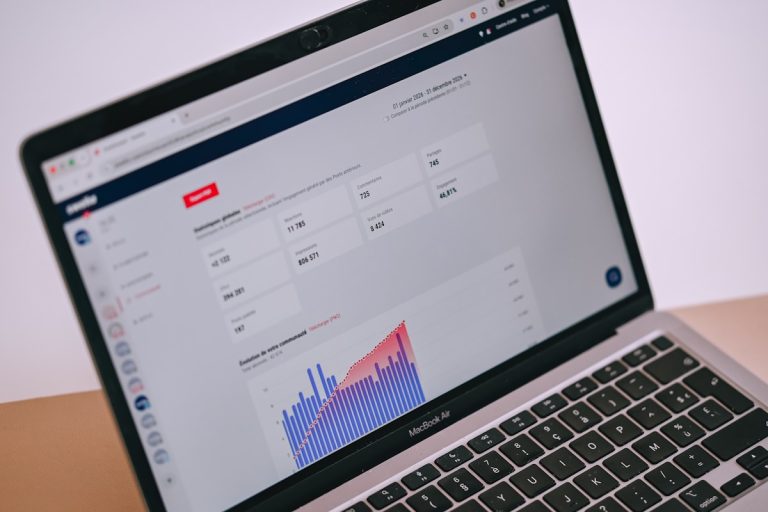
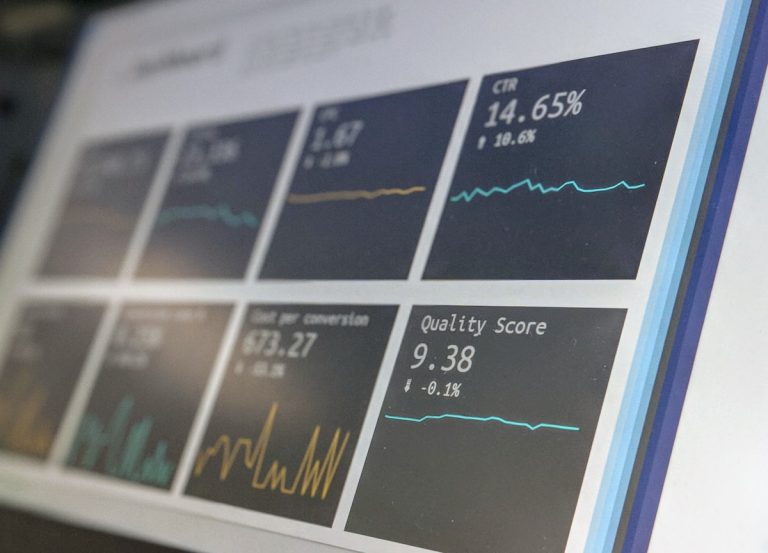
Let us be completely honest for a moment. You probably spend half your week staring at dashboards, pulling reports, and wondering why your marketing budget feels like it vanishes into thin air. You open Google Analytics, click through half a dozen sub-properties, check your ad accounts, export a CSV, and then try to explain the results to your leadership team. By the time you spot an underperforming campaign, that ad spend is already gone. Legacy reporting tools show you what went wrong yesterday, but they leave the actual fixing to you. Managing modern campaign performance analytics should not mean drowning in endless charts while your real work sits on the back burner.
Most platforms treat analytics like a passive history lesson. You get thousands of data points, complex event tags, and enterprise courses, yet zero practical execution. The reality is that modern businesses do not need another massive reporting suite; they need proactive execution. When you transition from manual reporting to automated intelligence using AI CMO: Unified AI Marketing Automation for Digital Growth, you stop wasting precious hours interpreting numbers and start letting intelligent systems fix problems in real time.
The Flaw in the Legacy Analytics Playbook
Google Analytics and traditional measurement suites have dominated the industry for decades. They offer developer APIs, live training academies, roll-up properties, and infinite ways to slice your traffic. If you have an army of in-house data engineers, that level of granular customisation is brilliant.
For small to medium businesses, startups, and agile marketing teams, it is often an operational trap.
Here is what usually happens with traditional platforms:
- Data overload without direction: You get hundreds of metrics like bounce rates, engagement times, and custom event parameters, but no clear answer on what copy to rewrite or which keyword to target next.
- Delayed reactions: You notice a traffic drop three weeks after a core search algorithm update rolled out, forcing you to scramble for fixes.
- Fragmented execution: Your web analytics sit in one tab, your SEO rank tracker in another, your local maps listing in a third, and your ad manager in a fourth. Nothing talks to each other cleanly.
- Agency dependency: Because traditional dashboards are so convoluted, businesses end up paying astronomical agency retainers just to have someone explain their own numbers to them.
Legacy tools tell you that your engine is smoking. They do not hand you a wrench, and they certainly do not fix the engine while you drive.
Moving from Passive Dashboards to Active Automation
The entire concept of marketing analytics needs an overhaul. We have spent fifteen years looking at graphs, nodding wisely, and manually adjusting bids or rewriting meta descriptions days later.
What if your analytics platform did not just record traffic drops, but instantly deployed high-intent content to capture lost impressions?
That is the difference between descriptive analytics and autonomous execution. Instead of spending your Monday morning digging through nested menus, you should rely on an automated system that monitors regional visibility, detects falling search positions, and automatically pushes technical corrections.
To bridge this gap between raw figures and actual search rankings, modern teams are choosing to Start Your SEO Autopilot so their organic content updates continuously without manual intervention.
When your analytical framework connects directly to content generation and optimisation engines, you eliminate human latency. If a competitor starts outranking you for a high-value commercial query in Manchester or Berlin, your system should spot the trend, analyse the gap, and publish targeted updates before your next team stand-up.
Solving the Local and Regional Visibility Puzzle
One major blind spot in legacy measurement is geographical performance. Most analytics platforms lump regional traffic into broad country-level reports. They show you received visitors from the United Kingdom or Germany, but they fail to show how your brand ranks across specific cities, postcodes, or local digital maps.
If you run a business that serves distinct territories, aggregate data can be actively misleading. A healthy overall traffic number might hide the fact that your search footprint completely disappeared in your top three target cities.
Traditional tools require you to set up complex sub-properties, custom dimensions, and filtered views to track individual locations. Even then, you still have to manually create localised landing pages, adjust local directory data, and manage regional keyword signals yourself.
Automating this process removes the guesswork entirely. When you Enhance Your Local Visibility through dedicated regional targeting algorithms, your brand stays visible in the exact areas where your potential buyers live and search. Continuous monitoring of location signals means your organic visibility stays robust across every regional market you care about, without forcing you to build hundreds of spreadsheets.
Why Real-Time Optimisation Outshines Fragmented Dashboards
Let us compare how a typical marketing department handles an analytics alert versus how an automated AI system handles it.
Imagine a core landing page starts losing search visibility due to shifting intent and outdated headers.
The Fragmented Manual Workflow
- Day 1: Traffic begins to drop.
- Day 7: You open your web analytics and notice a 22% dip in organic sessions.
- Day 10: You pull data from your rank tracker to identify which search queries slipped.
- Day 14: You write an internal brief or contact your freelance copywriter to revise the page.
- Day 21: The revised copy arrives, gets reviewed, and finally goes live.
- Result: Three weeks of lost leads, wasted ad spend, and hours of administrative overhead.
The AI CMO Automated Workflow
- Hour 1: Continuous monitoring detects a drop in ranking positions and engagement.
- Hour 2: The system evaluates competing top-ranking content, pinpoints missing semantic topics, and identifies the intent shift.
- Hour 3: The platform updates the page with fresh, data-driven copy, adjusts the technical tags, and tests the changes.
- Result: The page recovers its position within days, preserving your pipeline while you focus on business strategy.
This level of active intervention completely changes how your team operates. By relying on campaign performance analytics built directly into an automated execution loop, your marketing efforts never sleep. You get 24/7 technical and editorial protection across every digital touchpoint.
Cutting Costs Without Sacrificing Strategy
The standard agency pitch has always been simple: “Digital marketing is too complicated for your internal team, so pay us a five-figure monthly retainer to manage it.”
For years, that pitch worked. The tools were clunky, enterprise platforms cost thousands of pounds per month, and interpreting data required dedicated specialists. But running a marketing team should not require a small army of intermediaries who guard your data behind monthly PDF presentations.
AI-driven automation levels the playing field for growing businesses. It lets a single marketer or a lean founder achieve what once required an entire agency floor:
- Zero Agency Markups: You eliminate the middleman and run enterprise-grade marketing directly.
- Unified Tooling: You replace half a dozen disconnected subscription services with a single unified solution.
- Strategic Freedom: You stop doing repetitive data entry and focus entirely on product messaging, customer retention, and brand positioning.
When you Automate Your SEO with AI, your organic acquisition strategy works quietly in the background. The software tracks shifting search algorithms, drafts contextual articles, refines internal linking, and ensures your site remains authoritative.
Instead of debating analytics in endless strategy meetings, you let data drive execution automatically.
Mastering Modern Multi-Channel Realities
Marketing does not happen in a vacuum. Your prospects might find you via an organic Google search, see an educational post on LinkedIn, spot your profile on a digital directory, and then return through a direct search query weeks later.
Traditional analytics systems attempt to solve this with complex attribution modelling. They invite you to argue over first-touch, last-touch, linear, or time-decay attribution models.
While attribution is interesting from an academic perspective, it does not actually help you acquire more customers tomorrow. What matters is ensuring your brand maintains an undeniable presence across every single stage of that journey.
To win across multi-channel environments, you need a system that balances three key operational pillars:
1. Organic Search Authority
Your site needs a steady stream of authoritative, thoroughly researched content tailored to specific audience questions. The content cannot be generic; it must demonstrate practical subject mastery and answer real search intent.
2. Localised Brand Relevance
Search engines increasingly serve hyper-localised results, even for B2B and SaaS queries. If your business is not actively optimising for geographical search signals, you are handing market share to local rivals. Choosing to Master GEO Targeting with AI ensures your business shows up first when prospective clients search for providers within their territory.
3. Automated Performance Adjustments
Your marketing platform must treat performance data as an instruction manual, not just a scoreboard. When conversion rates dip on a key asset, your tools should know how to test alternative headlines, reposition calls to action, and refine targeting criteria instantly.
This holistic approach transforms your analytics from an administrative headache into your most potent commercial engine.
The Future of Marketing: Self-Correcting Growth
Digital marketing is moving past the era of manual dashboards. Spending hours assembling slides for internal stakeholders does not grow your revenue. Interpreting line graphs does not convert prospects.
What moves the needle is rapid, decisive execution based on reliable data.
When your marketing stack combines measurement, strategic content planning, and autonomous optimisation in a single platform, you stop falling behind shifting algorithms. You gain total control over your digital visibility without burning out your internal team or spending a fortune on outside consultants.
You do not need more dashboards. You need a platform that turns your data into immediate, visible growth. Take charge of your growth pipeline today by exploring AI CMO: Unified AI Marketing Automation for Digital Growth, and let intelligent automation manage your marketing performance around the clock.