Why Localised Campaigns Matter: Your Cheat Sheet to Geo-Based Marketing
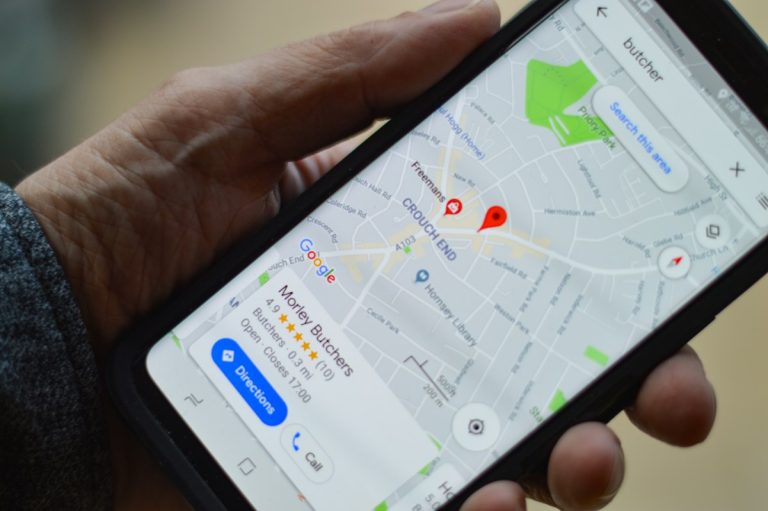
Reaching customers right where they stand is no longer just a clever trick for giant brands with massive budgets. It is now an essential strategy for any growing enterprise. Modern consumers expect messaging that fits their exact surroundings, whether they are walking past a storefront or searching for local services on their mobile phones. Traditional marketing methods often cast too wide a net, wasting budget on audiences miles outside your actual service zone. By switching to targeted geo-based marketing techniques, you ensure your campaign messages hit the exact people who can actually buy from you today.
Executing these campaigns across multiple locations and channels used to be an operational nightmare. Managing distinct geographical parameters, localized keyword lists, and real-time campaign adjustments traditionally required a huge agency team or a fragmented clutter of single-use tools. Today, artificial intelligence completely alters this setup. With an AI-driven approach, small and medium enterprises can build hyper-local campaigns that adapt automatically to consumer movements and search habits, delivering maximum impact without multiplying operational costs.
The Essentials of Location-Based Targeting
To master localized promotion, you first need to understand the underlying mechanics. Location targeting isn’t just one single technique. It is a toolbox of specific methods designed for different moments in the customer journey.
- Geofencing: This creates a virtual perimeter around a real-world location, like a high street, a shopping centre, or a competitor’s store. When a target device enters or leaves this zone, specific digital messaging is triggered.
- Geotargeting: This focuses on broader geographic criteria such as postal codes, towns, or regions, delivering custom messaging based on the user’s broader location data and profile preferences.
- Beacons: These small physical hardware devices send short-range Bluetooth signals to nearby mobile phones. They are perfect for indoor environments like retail stores or trade exhibitions where satellite GPS signals struggle.
- GEO Visibility & Local Search: This ensures your business ranks at the top when local prospects perform intent-driven searches like “best agency near me” or query conversational AI search engines.
Setting these strategies up manually takes hours of tedious admin. But when you master GEO targeting with AI, automated systems continuously monitor location dynamics and adapt your messaging instantly.
Modern Localised Promotion vs. Traditional Agency Workflows
For years, local marketing relied heavily on traditional agencies charging heavy retainer fees just to configure basic regional ad parameters. Here is how traditional approaches compare to modern AI-automated operations:
- Resource Allocation: Traditional agencies require manual setup for each individual region or shop location. AI automation generates and manages hyper-local content and campaign configurations across hundreds of zones simultaneously.
- Speed to Market: Updating localized offers usually takes agency teams days or weeks due to approvals and manual coding. AI engines adjust geo-based campaigns in real time based on live search trends and performance data.
- Cost Efficiency: Juggling multiple regional marketing software packages incurs high software overhead and agency fees. A unified platform eliminates these fragmented costs, offering total visibility inside one streamlined dashboard.
- Search AI Alignment: Traditional agency methods often ignore how AI search engines assess local relevance. Advanced platforms continuously refine your content to keep your brand visible across both conventional engines and modern conversational AI platforms.
By taking advantage of automated systems to boost local search rankings, lean marketing teams can outperform legacy competitors while spending a fraction of the budget.
5 Practical Steps to Master Geo-Based Marketing
Building an effective localized engine doesn’t require a complex technical setup. Follow this simple cheat sheet to get your campaigns up and running effectively.
Step 1: Define Precise Boundaries
Avoid targeting entire cities if your real customer base lives within a specific three-mile radius. Define exact postal codes or geofenced perimeters around high-intent locations to avoid wasting ad budget on distant audiences.
Step 2: Customise Content for Local Search Intent
People search differently depending on where they are standing. A customer looking for a service on their phone in a city centre has higher immediate buying intent than someone browsing at home. Match your headline copy, localized keywords, and special offers to reflect that immediate context. To streamline this process, modern marketers automate your SEO with AI to keep content relevant across every targeted district.
Step 3: Streamline Multi-Channel Operations
Never rely on just one marketing channel. Connect your local search optimization, social campaigns, and local display ads into a single workflow. If a user encounters your geofenced ad while walking down a commercial street, your brand should also appear when they search for local services later that evening.
Speaking of unified execution, managing these cross-channel touches without manual hassle is exactly why companies turn to geo-based marketing setups powered by AI CMO platforms.
Step 4: Optimise for AI Search Visibility (GEO)
Generative engine optimization (GEO) is the new frontier of local search. When users ask AI platforms for local recommendations, those engines rely on clear, highly localized brand references. Keep your online presence clean, consistent, and structured so AI platforms recognize your authority in target locations.
Step 5: Review Real-Time Tracking and Iterate
Geographical dynamics shift quickly. Track performance 24/7 to see which postal codes and zones deliver the highest conversion rates. Shift budget away from non-performing zones instantly rather than waiting for monthly agency reports. You can enhance your local visibility by letting smart algorithms redistribute campaign spend towards high-converting zones automatically.
Solving Common Local Marketing Challenges
Even experienced growth teams run into roadblocks when expanding their localized strategy. Here is how to navigate the most frequent challenges:
Avoiding Broad Keyword Fatigue
Targeting generic terms like “marketing platform” in a specific city often leads to high costs and poor lead quality. Instead, use specific long-tail keywords that link your service directly to local business needs. Using smart tools to boost your search rankings now helps identify non-obvious local search queries that carry massive commercial intent.
Managing Multiple Locations Without Overhead
If your enterprise operates across five, ten, or fifty different regions, creating bespoke content manually for each location is almost impossible. Implementing an integrated platform allows you to create scalable content templates that dynamically adapt city names, regional offers, and contact info, ensuring consistent brand authority across every market.
Real-Time Insights: The AI CMO Advantage
The real breakthrough in modern marketing isn’t just automated scheduling; it is continuous, intelligent adaptation. The AI CMO platform acts as your always-on strategy director. It monitors local keyword shifts, tracks competitor moves in specific territories, and automatically refines campaign messaging in real time.
Rather than logging into five different dashboards for keyword tracking, campaign management, and content creation, you get a single intuitive workspace. The AI engine handles the complex technical mechanics, letting you focus on broad business strategy and growth targets.
Your Actionable Geo-Based Marketing Checklist
Before launching your next localized initiative, run through this final checklist to ensure maximum return on investment:
- [ ] Have you mapped exact geofences and target postal codes rather than overly broad regions?
- [ ] Is your landing page copy tailored directly to the specific region or district you are targeting?
- [ ] Are your local search profiles updated with consistent, verifiable business information?
- [ ] Have you set up continuous, automated content updates to capture emerging local search trends?
- [ ] Are you utilizing real-time tracking to pause low-performing geographical zones instantly?
By moving away from manual campaign setups and legacy agency retainers, you regain total control over your growth trajectory. Ready to see how unified AI marketing automation transforms your brand presence across every local target market? Start your SEO autopilot today and explore the future of automated growth with geo-based marketing powered by AI CMO.