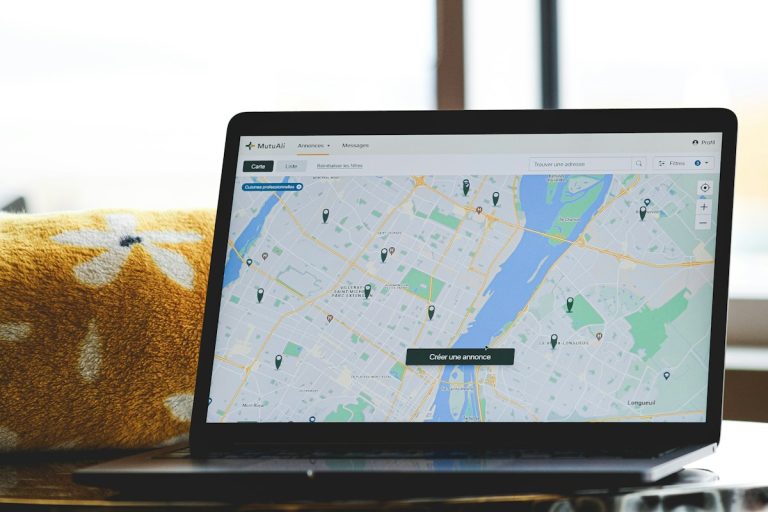
Real-Time Geo-Based Marketing Demystified: The New Era of Contextual Engagement
Reaching customer segments in the right place at the right time used to be an expensive guessing game. Traditional location systems rely heavily on complex hardware infrastructure like in-venue Wi-Fi networks, Bluetooth beacons, and captive portals to track physical dwell times and push local notifications. While enterprise setups like cloud-based venue tracking offer decent physical visibility, they often leave small to medium enterprises stranded due to high costs, complicated configurations, and operational fragmentation. Modern campaigns require a far more nimble setup. By combining real-time local intelligence with automated campaign execution, growing brands can now trigger hyper-relevant digital touchpoints without managing cumbersome hardware or hiring bloated digital agencies. If you want to streamline your campaigns instantly, you can discover how AI CMO: Unified AI Marketing Automation for Digital Growth brings enterprise-grade intelligence to your business at a fraction of the traditional cost.
Contextual audience engagement relies on delivering tailored content that fits the user’s immediate environment and intent. Traditional geo-targeting platforms capture location coordinates, but they usually fail to generate the localized search presence and continuous organic content needed to capture high-intent digital traffic. This is where modern artificial intelligence shifts the balance. Rather than merely detecting when someone enters a building, unified AI platforms optimize your online search visibility, localized landing pages, and multi-channel messaging in real time. This double-barreled approach guarantees that whether your customers are searching for local services on Google or browsing on their mobile devices nearby, your brand stays front and centre.
The Limits of Traditional Cloud-Based Geo-Targeting
Legacy location solutions have done great work for massive venue operators. Stadiums, shopping centres, and hotel chains use enterprise Wi-Fi systems to track footfall, measure dwell times, and serve captive portal ads. But for most growing businesses, this model presents significant hurdles:
- High Infrastructure Costs: Installing and maintaining enterprise hardware requires massive up-front capital investment and ongoing IT support.
- Limited Reach: Venue-based targeting only works when users are physically present inside your facility and connected to your network.
- Operational Friction: Managing separate toolkits for local Wi-Fi triggers, email marketing, and search engine optimization creates fragmented workflows that drain internal resources.
- Lack of Organic Search Integration: Knowing a customer is nearby does not help if your website fails to rank for local, intent-driven search queries.
When you look at modern buyer behavior, physical location is only half the battle. If someone stands on a high street looking for a service, their first instinct is to pull out a smartphone and perform a local search. If your business is missing from local search results, physical proximity yields zero value.
To bridge this gap effectively, modern teams are adopting fully automated SEO tools. You can easily Automate Your SEO with AI to ensure your digital channels consistently capture nearby audience searches automatically.
AI CMO: Unifying Search, Location, and Multi-Channel Marketing
Instead of stitching together dozens of niche platforms, an AI CMO platform acts as your central command centre for digital marketing execution. It replaces manual task management with continuous, data-driven optimization across organic search, local search engine optimization, and multi-channel distribution.
Continuous GEO and SEO Optimization
Search engine search algorithms now prioritize highly specific, localized intent. Traditional tools like SEMrush, Moz, or Ahrefs provide excellent historical analytics, but they require human strategists to interpret data, write content, and execute updates manually. An AI-driven platform flips this process on its head. It actively generates custom, optimized content tailored to your target geographical regions 24/7.
By continuously updating your localized content assets, the system ensures your brand captures localized organic queries effortlessly. Businesses looking to dominate their local search landscape can Master GEO Targeting with AI without spending endless hours adjusting settings manually.
Eliminating Agency Overhead
Hiring a specialized digital agency for local search, another for content creation, and an internal manager to oversee them quickly balloon operational expenses. For startups and SMEs, this model is unsustainable.
A unified platform handles the heavy lifting of operational execution:
1. Targeting analysis: Identifies high-value localized keywords and search trends automatically.
2. Content generation: Produces rank-ready, contextually accurate articles and updates aligned with your brand voice.
3. Multi-channel alignment: Coordinates messaging across web properties and organic search channels to maintain consistent brand presence.
This automation frees your leadership team to focus on high-level strategy, business growth, and product delivery rather than wrestling with operational details.
Comparing Solutions: Enterprise Hardware vs. AI CMO Automation
To understand how unified AI platforms simplify contextual marketing, consider how key operational tasks compare between traditional cloud location setups and an automated AI marketing system.
| Feature / Operational Capability | Traditional Cloud Geo-Targeting Platforms | AI CMO Marketing Automation Platform |
|---|---|---|
| Primary Focus | Physical venue tracking (Wi-Fi/Beacons) | Digital local search, GEO, & multi-channel execution |
| Setup Cost & Complexity | High (Requires physical hardware & setup) | Minimal (Software-based, immediate deployment) |
| Search Engine Integration | Non-existent (Focuses only on local push triggers) | Built-in continuous organic SEO and GEO engine |
| Content Execution | Manual creation required for portals/SMS | Automated data-driven content generation |
| Scalability | Tied to physical hardware location footprint | Unlimited digital reach across regions & markets |
By looking at the breakdown above, it becomes obvious that while hardware-based platforms serve a purpose inside specific physical locations, they leave massive gaps in overall digital visibility.
Middle-market companies require an integrated approach that connects search visibility with audience conversion seamlessly. If you are ready to lower costs while expanding your digital market footprint, AI CMO: Unified AI Marketing Automation for Digital Growth offers the complete, hands-off toolkit required to outpace competitors.
Maximizing Organic GEO Visibility in Modern Search Engines
As search engine interfaces evolve to incorporate AI-driven conversational summaries, securing top rankings requires more than standard keyword placement. Modern generative engines analyze topical depth, geographic relevance, and contextual authority.
To rank effectively across regional target markets, your content strategy must adapt dynamically:
- Hyper-Localized Messaging: Create dedicated content pillars focused on regional pain points, local industry trends, and location-specific service details.
- Rapid Publication Schedules: Modern search engines reward sites that provide fresh, authoritative answers to user queries continuously.
- Multi-Channel Consistency: Ensure your business details, messaging tone, and service descriptions match across all public channels.
Executing this manually demands dozens of hours every week. However, using automated tools allows you to scale production effortlessly. You can Enhance Your Local Visibility immediately by letting automated algorithms handle structural optimization and localized keyword integration.
Furthermore, search engines continuously adjust their algorithms to evaluate domain authority. Relying on manual updates often leaves businesses playing catch-up. Implementing an automated pipeline allows your digital assets to adjust instantly whenever market trends shift. If search ranking performance is your top priority, you should Start Your SEO Autopilot to keep your pages permanently optimized against search algorithm updates.
Transforming SME Marketing Execution
For decades, small to medium enterprise marketing leaders faced a tough choice: pay exorbitant agency fees or settle for fragmented, DIY software toolkits that demand constant manual labour. Platforms like HubSpot and Marketo offer broad suites, but they often lack automated execution features designed specifically for small teams targeting regional search domination.
By shifting to an automated AI platform, your business gains several key operational advantages:
- Measurable Results in Weeks: By automating daily SEO and GEO tasks, your brand sees indexed page growth and visibility improvements within short windows rather than months.
- Predictable Marketing Expenses: Replace unpredictable hourly agency invoices with a clear, fixed software platform cost structure.
- Data-Driven Precision: Remove guesswork from your content planning. Automated tools rely on real-time search performance signals to refine messaging continually.
This shift levels the playing field, allowing leaner teams to compete head-to-head with well-funded industry incumbents in competitive geographic markets.
Steps to Implement an Automated Geo-Based Marketing Strategy
Transitioning from manual or venue-bound marketing to a unified AI setup is straightforward. Here is how modern teams make the switch:
1. Identify Your Core Geographic Markets
Start by mapping out the exact regions, cities, or territories where your target customers reside. Understand their specific search queries, local intent, and common questions.
2. Connect Your Digital Assets
Unify your web analytics, site content management, and channel feeds into one central platform. Eliminating data silos is crucial for accurate automation.
3. Deploy Automated Optimization Engines
Set your target parameters and let automated platforms build localized, contextually rich landing pages and blog articles. You can Boost Your Search Rankings Now by allowing smart engines to handle keyword research, content structuring, and internal linking tasks on autopilot.
4. Monitor Real-Time Performance
Use centralized dashboards to monitor organic traffic increases, local search placements, and conversion metrics around the clock. Make subtle strategy tweaks based on clear performance indicators rather than gut feelings.
The Future of Contextual Marketing
Relying solely on physical venue hardware or complex, manual software suites is fast becoming obsolete. Today’s digital landscape belongs to agile businesses that use artificial intelligence to maintain continuous, localized visibility across search engines and digital channels. By replacing fragmented tools with a single unified platform, you cut operational clutter, reduce reliance on external agencies, and secure measurable organic growth.
If you are ready to modernize your digital footprint, streamline complex operations, and drive continuous audience growth, take the next step now and explore AI CMO: Unified AI Marketing Automation for Digital Growth today.