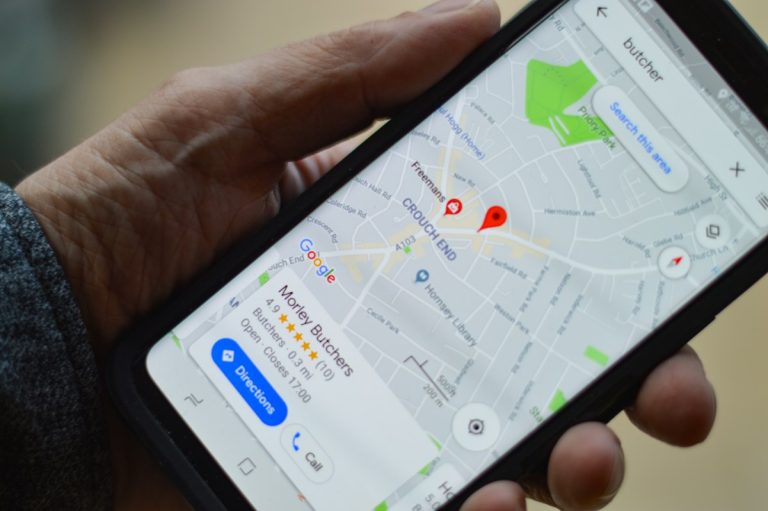
Rethinking Geotargeting: Why Modern Brands are Moving Past Legacy Agencies
Reaching local customers used to mean paying massive retainers to traditional agencies just to set up a few basic geofences and regional print ads. Today, that approach is entirely outdated. Modern consumers expect real-time relevance, and trying to capture local market share with slow, agency-driven campaigns simply leaves money on the table. By leveraging smart platforms designed for geo-based marketing, forward-thinking enterprises can now automate precise regional campaigns, instantly capturing nearby intent without the endless back-and-forth of account managers.
Traditional marketing setups rely on fragmented tools and manual oversight, leading to high operational overhead and delayed execution. When you replace expensive retainers with an intelligent system that runs 24/7, your brand gains an immediate edge in local search visibility and customer engagement. In this guide, we will break down how modern location strategies work, where legacy providers fall short, and how you can take complete control of your local digital footprint with absolute ease.
What is Location-Based Marketing and Why Does It Matter Now?
At its core, location-based marketing utilizes real-time geolocation data, such as GPS, Wi-Fi, Bluetooth, and IP addresses, to deliver targeted advertising and content to consumers based on where they physically are. Instead of blasting a generic message to an entire country, you tailor your messaging to specific regions, cities, or even individual streets.
When you hit a customer with a timely message right when they are near your venue or looking for a service in their immediate town, conversion rates skyrocket. It turns abstract brand awareness into real-world foot traffic and immediate online orders.
Key Geolocation Tactics You Need to Know
- Geotargeting: Delivering content based on broader geographic parameters like town boundaries, postal codes, or administrative regions using IP data.
- Geofencing: Creating a virtual perimeter around a specific physical location. When a user enters or exits that boundary, automated notifications or ads are triggered.
- Proximity Marketing & Beacons: Utilizing short-range Bluetooth Low Energy (BLE) hardware to engage customers who are standing right inside or directly outside a storefront.
- IP Address Marketing: Mapping digital devices to specific physical locations to target corporate offices or regional hubs without requiring precise mobile GPS permissions.
While legacy agency partners like MediaMax have historically offered boutique location placements by partnering with traditional media networks, modern software allows you to achieve far tighter control. By taking these operations in-house through automation, you cut out middleman fees and adapt to changing customer traffic in real time. You can easily master GEO targeting with AI to capture hyper-local traffic without waiting days for an account executive to update your ad parameters.
The Shift from Manual Agencies to Automated Intelligence
For years, small to medium enterprises and growing startups were forced to choose between two uninspiring options: hire an expensive agency or struggle through a messy pile of point solutions like SEMrush, Moz, and Mailchimp.
Agencies promise strategy but often deliver slow execution, opaque billing, and high markups. On the flip side, trying to manually coordinate standalone SEO, PPC, and geotargeting platforms eats up dozens of hours every week. This manual burden is exactly why so many local campaigns end up neglected.
| Feature / Capability | Traditional Agencies | Fragmented SaaS Stack | Unified AI CMO Platform |
|---|---|---|---|
| Setup & Maintenance Overhead | Very High (Retainers) | High (Manual setup across 5+ tools) | Ultra-Low (Automated setup) |
| Real-Time GEO Optimization | Slow (Manual weekly/monthly reviews) | Manual adjustments required | Instant 24/7 Automated Adjustments |
| Cost Predictability | Variable & Expensive | Multiple recurring tool subscriptions | Single, Cost-Effective Platform |
| Execution Speed | Days or Weeks | Hours of manual labor | Minutes |
By deploying a unified AI platform, you effectively gain an always-on digital marketing director. You no longer need to spend hours analyzing local search trends or rewriting ad copy for different postal codes. The platform continuously tracks performance, optimizing your regional rankings automatically.
Midway through your growth journey, you will notice that relying on human manual input for routine localized campaign updates is simply inefficient. It is far better to automate your SEO with AI and let intelligent systems handle content creation, local keyword mapping, and rankings tracking around the clock.
Executing a Winning Geotargeting Campaign: Step-by-Step
Building an effective local campaign requires more than just dropping a pin on a map. You need a structured operational framework that connects local search intent directly with compelling offers.
1. Define Clear Geographic Boundaries
Start by identifying where your high-value customers actually spend their time. Are you trying to capture shoppers in a retail high street, business professionals in a financial district, or regional buyers across specific postal zones? Define boundaries that mirror real-world movement patterns rather than arbitrary radius circles.
2. Tailor Content to Local Context
Generic messaging fails in local advertising. Your messaging must reflect the immediate environment. Mentioning specific neighbourhoods, local landmarks, or regional events immediately increases engagement. When consumers see content that feels tailored to their exact town, trust increases instantly.

3. Automate Content Production and Optimization
Creating separate landing pages and blog posts for dozens of local target zones used to take months of manual copywriting. Today, intelligent engines can generate structured, location-optimized content automatically. This allows you to publish localized updates continuously, ensuring your search footprint expands without increasing your operational team’s workload.
4. Monitor Search Engine Generative Experience (GEO)
Search engines are shifting rapidly toward direct AI responses. Securing high visibility now means optimizing not just for traditional search results, but for Generative Engine Optimization (GEO). Your brand needs to appear directly inside AI-generated summaries when users ask for local recommendations. To ensure your business stays ahead of these algorithmic changes, you can boost local search rankings using continuous AI-driven monitoring.
Why Scaling Businesses Choose Unified AI Automation
The primary objective for any growing business is achieving sustainable expansion without inflating headcount or operational budget. Traditional inbound tools like HubSpot or marketing automation platforms like Marketo offer expansive feature sets, but they lack native, hands-on automated execution for localized search and content strategy. They require dedicated administrators just to keep the software running.
An automated solution handles the operational heavy lifting for you:
- Continuous Keyword Analysis: Automatically identifies emerging regional search terms before your competitors discover them.
- Scalable Local Content: Creates targeted blog articles and landing page copy customized for specific geographic markets.
- 24/7 Performance Auditing: Identifies technical search issues, local listing errors, and dropping rankings instantly, applying fixes in real time.
- Unified Multi-Channel Alignment: Ensures your geo-targeted messaging remains consistent across search, local web pages, and digital touchpoints.
Instead of burning capital on agency retainers or burning out your internal team with tedious publishing workflows, an automated marketing engine keeps your brand visible across every target territory. You gain enterprise-grade targeting capabilities at a fraction of the cost, freeing up your team to focus strictly on high-level business growth and customer delivery.
Take Complete Control of Your Local Market Growth
The era of paying bloated retainers to traditional agencies for simple geotargeting and local ad management is over. Location-based strategies work best when they are agile, continuous, and powered by real-time data. By shifting from slow, manual agency execution to a unified, automated AI framework, your business can launch hyper-targeted regional campaigns instantly, dominate local search results, and maximize return on investment.
Whether you are aiming to capture foot traffic in specific districts or expand your online footprint across new regions, automation gives you the power to outmanoeuvro larger competitors effortlessly. Stop letting agency fees eat into your margins and start building a scalable, automated marketing engine today. To see how easy it is to manage your end-to-end digital strategy, start your free AI CMO trial now.