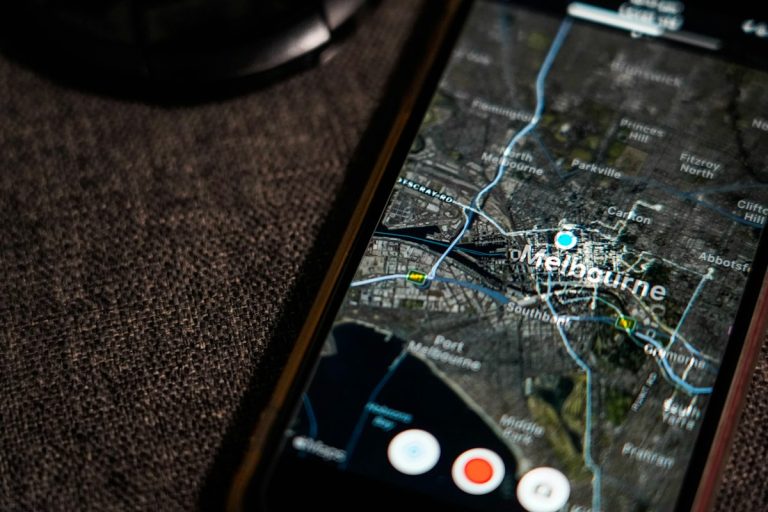
The Power of Local Reach: Why Geo-Based Marketing Matters Now
Ever wondered why some local ads hit the mark whilst others get ignored completely? It usually comes down to location context. Reaching a customer right when they step near your front door changes everything. Modern geo-based marketing bridges the gap between digital ad spend and physical foot traffic, ensuring your message lands when a buyer is most likely to act.
For small to medium enterprises and growing startups, setting up geo-targeting manually used to be a massive headache. You had to manage fragmented software, build custom location parameters, or pay eye-watering fees to traditional marketing agencies. Today, platforms like AI CMO: Unified AI Marketing Automation for Digital Growth automate these complex tasks, bringing continuous search engine visibility and precise geo-targeting directly to your business without the operational bloat.
What Exactly Is Location-Based Marketing?
At its core, location-based marketing uses spatial data to deliver relevant content to users based on where they are. Instead of broadcasting a generic message to an entire country, you tailor your campaign to specific towns, postcodes, or even individual street corners.
When you use real-time location signals, response rates can multiply rapidly. People are far more likely to open a push notification or engage with a local search ad if it directly addresses their immediate surroundings.
Key Terminology You Need to Know
To build a solid campaign strategy, you need to know the basic mechanics behind spatial targeting:
- Geolocation: The process of detecting the physical position of a connected device using GPS, IP addresses, or Wi-Fi signals.
- Geofencing: Setting up a virtual boundary around a physical point, like a school, stadium, or rival store. When a user crosses that line, a pre-set action triggers.
- Proximity Marketing: A ultra-granular approach using hardware like Bluetooth Low Energy (BLE) beacons to target devices within a few metres, usually inside a building.
- Geotargeting: Delivering content based on pre-defined regional parameters, such as a city radius or postcode area.
If you want to scale these tactics across search engines without spending hours tweaking settings, you can Enhance Your Local Visibility using automated systems designed to capture local demand instantly.
The Tactics: How Location Data Reaches Your Audience
How do these technologies work in real-life campaigns? Brands collect location signals through multiple channels to map out contextually aware customer journeys.
1. Geofencing vs Proximity Beacons
Geofencing relies primarily on mobile GPS coordinates. It works best outdoors over wider areas. For instance, a coffee shop might place a 500-metre geofence around its entrance to offer a discounted pastry during the morning rush hour.
Proximity marketing, on the other hand, kicks in where GPS signals fail, such as inside indoor shopping centres. Bluetooth beacons sense when a phone is standing right next to a specific aisle, triggering hyper-local product details.
2. Mobile and IP Targeting
When users do not share exact GPS coordinates, marketers use IP lookup data or local mobile network signals. This ensures that a local service provider, like a plumber or accountant, only pays to show search ads to people living within their actual service radius.
3. Combining SEO with Generative Engine Optimisation (GEO)
Modern search engines do not just deliver standard web links anymore. They use AI-generated answers tailored to the user’s explicit location. Combining traditional search engine optimisation with spatial targeting ensures your brand shows up both in map packs and within AI-generated responses. If you want your website content generated and optimized automatically for local queries, Automate Your SEO with AI to maintain top search rankings seamlessly.
Location Marketing Across Different Sectors
Location-aware campaigns are not just for brick-and-mortar retail outlets. Businesses across various sectors use spatial context to drive meaningful engagement:
- Retail & E-commerce: Driving footfall with real-time stock availability updates when buyers pass nearby stores.
- Restaurants & Hospitality: Triggering lunch promotions to local office workers around mid-day.
- Events & Entertainment: Providing wayfinding advice, concession deals, or safety alerts to stadium visitors.
- Professional Services: Rank higher for location-specific queries like “best commercial solicitor in Leeds” without manual content creation.
Halfway through building a strategy, many teams realize that managing multi-channel efforts manually takes far too much time. You can streamline these operations completely; Master GEO Targeting with AI to handle spatial optimization around the clock.
The Traditional Agency Trap vs AI Automation
Historically, running effective geo-based marketing required hiring an expensive digital agency. Agencies charge heavy monthly retainers, take weeks to build simple campaigns, and often hide performance metrics behind confusing jargon.
Alternatively, marketing teams tried using half a dozen fragmented tools: one for rank tracking, another for local page creation, a third for ad automation, and a fourth for reporting. This leads to burnout and disjointed execution.
This is where AI CMO changes the paradigm. Instead of relying on manual account management, AI CMO offers a unified platform that acts as a hands-on AI interface. It continuously monitors local rankings, generates data-driven custom content strategies, and executes search and spatial optimizations automatically. You get clear, real-time performance tracking without needing an army of account executives.
Step-by-Step: How to Build a Geo-Targeted Strategy
Ready to build an automated, location-aware marketing machine? Follow this simple framework:
Step 1: Define Your True Geographic Scope
Do not waste ad budget on regions you cannot realistically serve. Map out your core operating zones, primary target cities, or high-value customer postcodes.
Step 2: Optimise Your Digital Footprint for Local Queries
Ensure your website architecture reflects localized search intent. Create landing pages tailored to specific areas, ensuring titles, headers, and meta data align with local search volume.
Step 3: Implement Automated Engine Workflows
Rather than writing every local update manually, deploy automated marketing tools. You can Start Your SEO Autopilot to generate data-driven content that speaks directly to regional audiences, keeping your search presence fresh without operational complexity.
Step 4: Track Performance and Iterate Real-Time
Monitor engagement, conversion rates, and spatial visibility metrics continuously. Look at which regions generate the highest customer lifetime value, and adjust your targeting parameters to double down on what works.
Take Control of Your Regional Reach
Mastering location-based strategies no longer requires massive enterprise budgets or complex agency contracts. By leveraging modern spatial targeting techniques alongside intelligent automation, small and medium enterprises can outsmart larger competitors and dominate local markets.
By placing relevant content in front of nearby buyers at the exact moment they need it, you maximize campaign impact while cutting wasted spend. Stop wrestling with fragmented tools and slow agencies. Boost Your Search Rankings Now and let automated intelligence transform your growth today.