The Death of the Linear Funnel: Why You Need Adaptive Marketing Automation Today
Let us be honest for a second. The traditional marketing funnel is completely broken. Marketers used to sit down, draw a tidy line from awareness to consideration, and expect prospects to follow it like clockwork. But real buyers do not behave like that anymore. They jump from search engines to social feeds, read comparison posts, leave, come back three weeks later on a mobile device, and ask an AI tool for recommendations before making a single purchase decision. If you are still relying on static drip campaigns and rigid email sequences, you are essentially trying to guide modern shoppers with a paper map in a GPS world. This is where adaptive marketing automation changes the game by using real-time intelligent data to meet buyers exactly where they are.
By leveraging artificial intelligence, adaptive customer journeys continuously recalibrate based on consumer signals, intent indicators, and browsing behavior. Instead of forcing prospects down a pre-scripted path, your marketing platform automatically tweaks messaging, adjusts channel priorities, and updates content offerings on the fly. This dynamic, co-created experience keeps your brand relevant at every single touchpoint while drastically cutting down operational overhead. Small and medium enterprises no longer need to spend vast fortunes on traditional marketing agencies or juggle ten different software tools to achieve sophisticated cross-channel engagement.
What Makes a Customer Journey Truly “Adaptive”?
So, what does this shift actually look like in practice? Traditional automation relies on simple if/then logic gates built manually by overworked marketing teams. If a user clicks a link, send Email B. If they do not, wait three days and send Email C.
That approach is far too slow for modern digital commerce. Adaptive marketing automation operates on continuous feedback loops. It does not just react to pre-set rules; it learns from real-time customer inputs and shifts course autonomously.
Here is what sets an adaptive journey apart from legacy automated workflows:
- Real-time signal processing: The system analyses active user session data, search queries, location triggers, and referral paths instantly.
- Predictive content matching: Instead of displaying hardcoded banners, the platform serves content tailored to the visitor’s explicit stage of intent.
- Co-created experiences: Consumers guide their own journey. Their interaction with a specific topic signals to the AI to adapt subsequent channel touchpoints across search, display, and social formats.
- Unified ecosystem orchestration: Data silos vanish. SEO data feeds your content strategy, which informs your geo-targeted campaigns, all managed under one single interface.
When you remove the guesswork, you stop blasting generic messages to cold leads. You start building relationships powered by relevance.
The Core Pillars of AI-Driven Adaptive Marketing Automation
Building a fully responsive marketing engine requires a modern technology setup that connects discovery, strategy, and execution. If one piece is missing, the experience breaks down.
1. Organic Search Integration (SEO Automation)
You cannot guide a customer journey if prospective buyers cannot find you in search engines. Search intent is perhaps the strongest signal of user interest. When a buyer searches for a specific problem, your content must be there waiting for them.
By unifying search data into your platform, your content output updates dynamically to capture rising search volume and shifting keyword context. Implementing SEO Automation allows your business to capture fresh search traffic 24/7 without spending hours on manual research or paying agency retainers.
2. Location-Based and Intent Personalisation (GEO Targeting)
Relevance is not just about what someone searches for; it is also about where they are searching from. Regional nuances, local search algorithms, and geographical demand patterns play a huge role in conversion rates.
Through intelligent GEO Visibility, adaptive systems tailor local landing pages, search queries, and localized copy automatically. A prospective client browsing from London receives tailored regional messaging, while a user in Manchester sees content aligned with their specific localized context.
3. Scalable AI Content Strategies
Content is the engine of the entire journey. However, generating fresh, highly targeted content across multiple channels creates a massive operational bottleneck for growing companies.
An adaptive framework uses machine learning to generate contextually relevant, data-driven content strategies automatically. By analyzing what your target audience reads and searches for, the AI drafts, optimises, and publishes tailored content assets that keep prospective buyers moving along their journey effortlessly.
Why Traditional Marketing Tools and Agencies Fall Short
Many startups and SMEs find themselves caught between two unpleasant choices: paying astronomical monthly fees to external agencies or wrestling with a fragmented tech stack of single-purpose software tools.
Let us break down how these traditional approaches compare to a modern, unified AI platform like AI CMO:
| Feature / Metric | Traditional Marketing Agencies | Fragmented Software Tools | AI CMO Unified Automation |
|---|---|---|---|
| Setup & Maintenance Cost | High (Heavy monthly retainers) | High (Multiple subscription fees) | Low (Affordable unified pricing) |
| Execution Speed | Slow (Weeks for campaign edits) | Moderate (Requires manual effort) | Immediate (Real-time AI execution) |
| SEO & GEO Optimisation | Manual audits & periodic reports | Requires separate niche tools | Continuous 24/7 automated tracking |
| Workflow Friction | High reliance on external account managers | High context-switching between tools | Zero friction (Single dashboard) |
| Journey Adaptation | Static, scheduled campaigns | Semi-automated rules-based triggers | Truly dynamic adaptive intelligence |
When you rely on disconnected systems, critical consumer signals fall through the cracks. A search signal captured on your blog might never inform your direct campaigns because your tools do not speak to each other. Integrating your strategy into a centralized adaptive marketing automation engine eliminates these data blind spots entirely.
How AI CMO Powers Modern Digital Growth
AI CMO was built specifically to solve the headaches faced by modern marketers, SMEs, and digital teams. Instead of struggling with opaque agency reports or burning out over operational tasks, AI CMO provides a simplified, hands-on interface that acts as your complete digital marketing co-pilot.
Here is how the platform transforms daily execution:
Continuous 24/7 Execution
While traditional teams sign off at 5 PM, search engines and consumer queries run around the clock. AI CMO handles routine operational tasks, continuously tracking organic positioning, refreshing targeted blog material, and updating local search signals every hour of the day.
Eliminating Agency Expenses
By bringing sophisticated SEO, GEO targeting, and multi-channel content generation into a single platform, AI CMO eliminates the need for expensive third-party management. You maintain full strategic control over your brand voice while the AI handles the complex execution details.
Fast, Measurable Organic Results
Case studies and live implementations demonstrate that automated, real-time optimization drives dramatic increases in online visibility within weeks rather than months. By delivering data-backed strategies aligned with current search engine patterns, your brand gains consistent digital market share faster than traditional manual strategies permit.
If you are looking to boost your organic reach quickly without increasing team headcount, you can Automate Your SEO with AI and let intelligent systems handle content scaling for you.
Step-by-Step: Implementing Adaptive Journeys in Your Business
Transitioning to an adaptive, AI-led journey model does not have to be overwhelming. You do not need to rewrite your entire marketing plan overnight. Follow this actionable step-by-step roadmap to modernize your strategy:
Step 1: Map Your Core Audience Intent Signals
Start by identifying the primary questions, pain points, and triggers that drive prospects to search for your solution. Move away from generic demographics and focus on intent signals. What high-intent keywords are they searching for? Which regional factors influence their buying decisions?
Step 2: Unify Your Discovery and Content Engines
Ensure your content platform is tied directly to real-time search trends. Rather than guessing what topics to cover next month, leverage automated analytics to publish targeted content that directly matches active search queries.
Step 3: Integrate GEO-Specific Touches
If your target market spans multiple regions across Europe or global territories, configure localized messaging. Ensure your local search presence is continuously optimized to capture regional buyers. You can Master GEO Targeting with AI to automatically capture high-intent local traffic across targeted zones.
Step 4: Monitor, Measure, and Refine
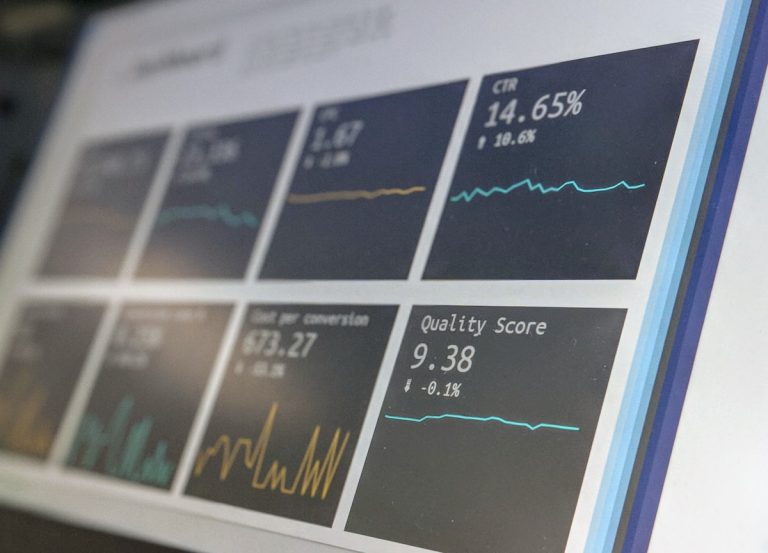
Set up unified performance tracking to observe how users navigate from organic discovery to conversion. Use dynamic analytics dashboards to identify high-performing content types and double down on topics that yield the highest customer engagement rates.
The Future of Marketing is Unified, Automated, and Adaptive
The era of manual, rigid marketing campaigns is officially over. Today’s digital landscape demands speed, personalization, and operational efficiency. Businesses that embrace real-time intelligence will naturally outpace competitors who remain stuck in manual content creation cycles and opaque agency contracts.
By unifying your search strategy, local visibility, and content workflows, you create a self-sustaining marketing engine that delivers hyper-relevant customer experiences at scale. Whether you are an emerging startup or an established business aiming to optimize operational costs, deploying adaptive marketing automation ensures your brand remains visible, dynamic, and ahead of the curve.
Take charge of your brand’s digital presence today, streamline your operational overhead, and start delivering AI-powered journeys that convert prospects into loyal customers automatically.