Ditch Manual Models for Modern Adaptive Marketing Automation
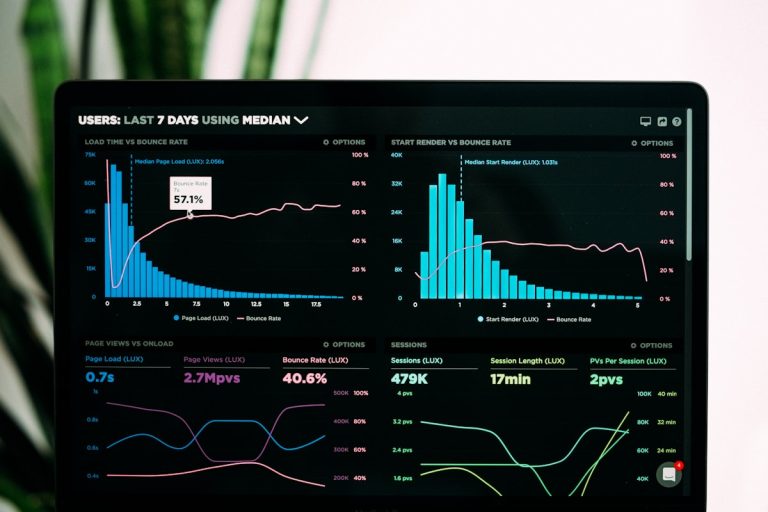
Traditional marketing analytics is broken. For years, teams have relied on static predictive models, manual data extraction, and painful spreadsheets. You build a campaign model based on last quarter’s data, launch it, and hope customer behaviour stays unchanged. But in today’s fast-moving digital space, customer intent shifts in seconds, not months. If your strategy relies on outdated reports, you are constantly reacting instead of leading. It is time to step away from manual guesswork and embrace adaptive marketing automation to dynamically respond to live user signals.
By moving from rigid campaigns to continuous, real-time feedback loops, your business can automatically adjust messaging, content, and touchpoints on the fly. Instead of wasting thousands of pounds on fragmented software suites and bloated agency retainers, smart operations use self-learning decision engines. This approach lets you convert real-time digital insights into instant rankings, higher engagement, and reliable growth.
The Fatal Flaws of Traditional Analytics
Why are conventional analytics setups failing modern growth teams? The issue boils down to speed, complexity, and operational friction.
1. Slow Cycle Times and Data Stagnation
Most marketing models are built manually. Data scientists pull logs, cleanse spreadsheets, build custom algorithms, and deploy them weeks later. By the time your campaign goes live, customer preferences have already moved on. You end up optimizing for past behaviour rather than present demand.
2. Fragmented Tool Stack Chaos
Using SEMrush for keyword research, Moz for tracking, HubSpot for inbound management, and Mailchimp for email leaves your data siloed. None of these engines communicate in real time to update decisions instantly. You spend more time stitching data together than executing high-impact strategies.
3. Agency Dependency and Sky-High Retainers
Outsourcing intelligence to traditional digital agencies often yields opaque monthly PDF summaries rather than real-time execution. You pay steep retainers for basic updates, while critical search engine changes pass you by.
What Is Adaptive Decisioning in Marketing?
Adaptive decisioning replaces static rules with continuous machine learning loop systems. Instead of following a rigid workflow, the platform evaluates every single interaction, learns from the result, and updates the next interaction instantly.
Think of it like modern navigational software. If a road closes ahead, dynamic GPS reroutes you within milliseconds. Traditional marketing models, on the other hand, insist on driving down the closed road because that was the plan drawn up six months ago.
When you bring adaptive logic into your search engine presence, your content constantly tunes itself to algorithm shifts, intent queries, and regional nuance. You can explore how to automate your SEO with AI to eliminate routine manual tasks entirely.
How AI CMO Transforms Marketing Operations
AI CMO brings strategic intelligence and execution together in one straightforward platform. Designed specifically for startups, growing e-commerce brands, and mid-sized enterprises, it turns complex data into immediate execution.
Continuous SEO and Search Visibility Optimization
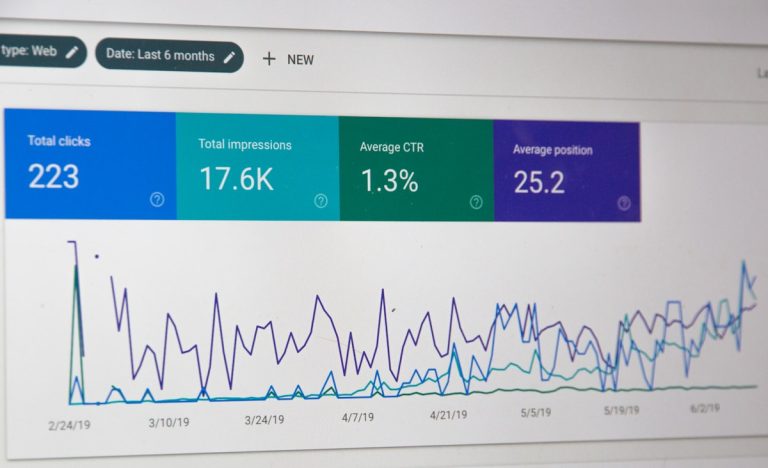
Search engine rankings fluctuate daily. Rather than analyzing lost ground weeks after a rank drop, AI CMO continuously scans target queries and rewrites content patterns automatically. This dynamic optimization ensures your site keeps its visibility without needing constant manual audits.
Localized and Generative Engine Optimization (GEO)
Search is no longer restricted to classic keyword matching. Generative AI engines search for hyper-relevant regional context. AI CMO updates geographic signals continuously so your brand remains visible across local maps and generative AI answers. You can master GEO targeting with AI to secure market share across key geographic territories.
Multi-Channel Strategy Without the Overhead
Managing multi-channel touchpoints manually requires dedicated copywriters, data analysts, and SEO specialists. AI CMO acts as an automated command centre that balances messaging across touchpoints automatically.
Moving Beyond Standard Toolkits: A Quick Comparison
Standard marketing software suites offer solid analytical views, but they fall short on hands-on automated execution.
| Capability / Feature | Traditional SEO Suites (e.g. SEMrush, Ahrefs) | Inbound Automation Platforms (e.g. HubSpot, Marketo) | AI CMO Adaptive Decisioning |
|---|---|---|---|
| Data Collection | Static / Historical | Campaign-Centric | Real-Time Continuous |
| Decision Logic | Manual Interpretation | Rigid Rule Workflows | Dynamic Machine Learning |
| SEO Execution | Recommendations Only | Basic On-Page Plugins | Autonomous Adaptive Optimization |
| GEO Visibility Tracking | Limited / Manual | None | Fully Integrated 24/7 Operations |
| Resource Demand | Requires Specialist Team | High Platform Training Cost | Simplified Hands-On Automation |
By combining strategic oversight with immediate deployment, businesses implement adaptive marketing automation to maintain steady digital growth while keeping costs low.
Practical Steps to Transition to Adaptive Marketing
Switching to an automated, intelligent setup does not require rebuilding your marketing department overnight. Here is a practical roadmap to get started.
Step 1: Audit Your Current Data Bottlenecks
Identify where your marketing workflows hit delays. Are you spending weeks crafting blog posts? Is your team struggling to track local search engine visibility? Note down every manual step that slows down execution.
Step 2: Replace Siloed Tracking with Unified Decisioning
Consolidate single-purpose tools into a platform capable of handling multi-channel execution. Instead of buying distinct packages for keyword rank tracking, content generation, and geo-targeting, bring these actions under a single AI-driven decision engine.
Step 3: Implement Automated Content Refinement Loops
Set up automated workflows to continuously track search performance and re-optimize underperforming pages. To launch fully automated organic growth operations today, start your SEO autopilot workflow and let AI handle routine rank maintenance.
Step 4: Shift Focus to High-Level Strategy
When AI manages routine rank tracking, content adjustments, and geo-tag updates, your core team frees up hours every week. Use this saved time to focus on brand positioning, product development, and customer retention strategies.
The Strategic Advantage of Unified Operations
Relying on traditional agencies or fragmented software toolkits creates friction and raises overheads. The future belongs to lean teams that leverage artificial intelligence to operate faster than their competition.
With real-time tracking, 24/7 automated adjustments, and custom data-driven strategies, AI CMO helps businesses secure top rankings without agency dependencies. To see how adaptive intelligence can streamline your daily operations, examine our features and boost your search rankings now through our unified platform.