The Death of the £5,000 Agency Retainer: A Blueprint for In-House Teams
For years, growing businesses faced a frustrating dilemma. You either burned thousands of pounds every month on traditional marketing agencies or spent countless weekend hours wrestling with manual spreadsheets, analytics tools, and fragmented dashboards. Agency reporting week was notoriously painful, filled with bloated PDF decks, vanity metrics, and vague promises about long-term brand awareness. But the digital landscape has shifted dramatically. Today, savvy internal teams are skipping external agencies entirely by using AI CMO: Unified AI Marketing Automation for Digital Growth to take full control of their marketing operations.
Modern growth requires speed, transparency, and relentless execution across multiple channels. Legacy reporting platforms like Oviond offered a step forward by collating client dashboards into unified templates, but they still required humans to manually analyse data, write commentary, and execute actual campaign tweaks. By replacing static dashboards with an intelligent execution engine, in-house teams can finally master automated campaign reporting while actively optimizing their search presence around the clock. Let us explore how modern marketing teams are ditching agency bloat and scaling revenue autonomously.
Why Traditional Agency Reporting Breaks Down
Let us be completely honest about traditional digital marketing agencies. The typical agency model relies on high margins and manual labor. Every month, junior account managers spend days pulling raw figures from Google Search Console, Meta Ads, and regional analytics tools. They copy numbers into template decks, slap on a fancy cover page, and call it a strategic report.
Here is where the model fails for modern businesses:
- High Overhead, Slow Output: You pay for the agency’s trendy office space and account managers rather than actual performance.
- Delayed Insights: By the time you receive a monthly performance report, the data is already weeks old.
- Fragmented Tooling: Agencies often use one tool for keyword tracking, another for social scheduling, and a third for client dashboards. Nothing talks to each other efficiently.
- Vanity Metrics Focus: Standard reports highlight impressions and likes rather than actual search engine dominance or revenue attribution.
When you manage your growth in-house, you cannot afford to wait 30 days to figure out why organic search traffic dropped in a key market. You need real-time data tracking linked directly to immediate execution.

Static Dashboards vs. Autonomous Marketing Platforms
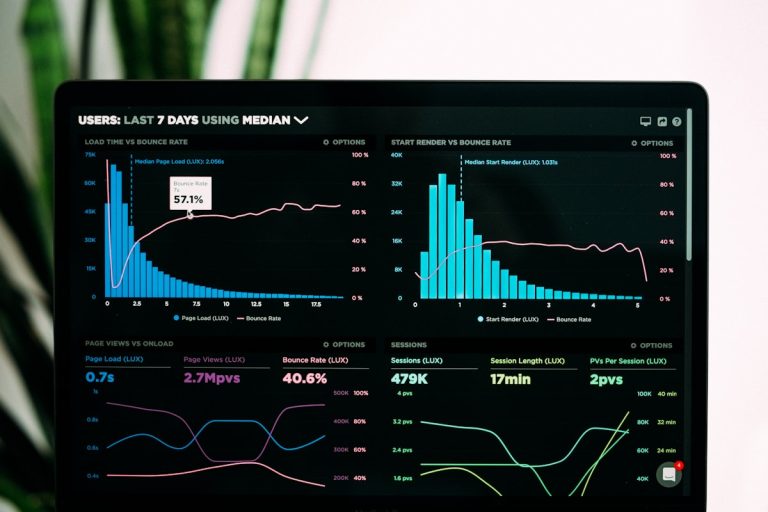
Tools like Oviond, Supermetrics, or Looker Studio helped agencies aggregate multi-channel metrics into presentable charts. They solved the problem of logging into ten different portals every Monday morning. However, viewing data on a dashboard is only half the battle.
Knowing that your organic search visibility dipped by 12% across target cities does not fix the problem. A traditional reporting tool requires a human marketer to stop what they are doing, perform keyword research, draft new articles, re-optimise existing landing pages, and re-index URLs.
This is precisely where AI CMO changes the game. Instead of simply building visual charts, an AI CMO operates as an active growth engine. It analyses live performance data, spots ranking gaps, and automatically crafts content strategies to regain search dominance. When you Start Your SEO Autopilot, your organic search footprint updates automatically, eliminating the operational bottlenecks that cripple small in-house teams.
The Four Pillars of Agency-Free In-House Marketing
Replacing an external agency requires a clear, reliable workflow. You do not need a massive team; you simply need the right system running silently in the background.
1. Unified Multi-Channel Tracking
Instead of jumping between disconnected software, your primary performance indicators must sit under a single roof. This gives leadership immediate clarity on brand reach, traffic acquisition, and cross-channel engagement.
2. Generative Engine Optimisation (GEO) and Local Search
Search is no longer just about Google’s top ten blue links. Modern buyers ask AI engines, local maps, and conversational discovery tools for direct recommendations. If your brand is not optimized for Generative Engine Optimisation (GEO), you are missing out on high-intent buyers. By learning to Enhance Your Local Visibility, internal teams ensure their brand is cited as the primary authority in regional search queries without paying local agency retainers.
3. Continuous Data-Driven Content Generation
Agencies usually restrict clients to two or four blog posts per month due to manual copywriter constraints. An AI-powered infrastructure continuously evaluates keyword opportunities, content decay, and target audience needs to generate relevant, high-ranking content automatically.
4. Seamless Automated Campaign Reporting
Your weekly progress updates should not take four hours to prepare. Reliable systems pull live performance metrics, highlight critical wins, and deliver clear commentary instantly. If you want to check your growth metrics right now, you can Automate Campaign Reporting with AI CMO and get an instant overview of your digital footprint.

How In-House Teams Transition in 30 Days
Making the jump from an agency to an internal AI-driven setup might feel intimidating, but the transition is remarkably straightforward when broken into weekly milestones.
Week 1: Audit and Tool Consolidation
Begin by listing every active marketing subscription and agency line-item. Cancel fragmented tools that only serve single functions, such as basic rank trackers or social post schedulers. Connect your core domain assets into a single automation ecosystem.
Week 2: Establish SEO and GEO Baselines
Identify your core commercial keywords and regional search targets. Configure your strategic directives so the AI understands your brand voice, industry parameters, and target audience persona. To supercharge this step, you can Automate Your SEO with AI and let the platform identify low-hanging organic traffic opportunities.
Week 3: Automate Content and Reporting Execution
Turn on automated content pipelines and performance tracking. Set up custom reporting parameters so stakeholders receive clean, actionable updates automatically.
Week 4: Refine Strategy and Strategic Oversight
With daily operational tasks handed off to artificial intelligence, your marketing lead can step into a strategic role. Focus on high-level positioning, strategic partnerships, product messaging, and conversion rate optimisation.
Comparing the Costs: Agency vs AI CMO
Let us take a realistic look at the annual financial investment required for a typical medium-sized enterprise in the UK or Europe.
| Expense Category | Traditional Agency Approach | Fragmented SaaS Stack | In-House + AI CMO |
|---|---|---|---|
| Monthly Cost | £3,000 – £8,000 / month | £800 – £1,500 / month | Single Affordable Sub |
| Setup Time | 2-4 Weeks onboarding | Days of integration | Instant Activation |
| SEO & GEO Tracking | Manual monthly decks | Disconnected tools | 24/7 Automated |
| Content Output | Limited (2-4 articles/mo) | Manual writing needed | Continuous & Scalable |
| Execution Speed | Slow agency queues | Depends on internal bandwidth | Immediate Real-time |
The figures speak for themselves. Beyond the direct financial savings, the speed of execution gives internal teams a massive competitive edge in rapidly shifting markets.

Master GEO Targeting to Win Local Markets
As search engines shift toward generative AI summaries, local and regional visibility requires a completely new playbook. It is no longer enough to target simple national keywords. You must dominate Generative Engine Optimisation (GEO) parameters so search AI engines consistently cite your business in specific locations.
Traditional agencies charge exorbitant fees for local SEO directory submissions and geographic content creation. An intelligent platform manages these multi-channel nuances automatically, continuously tailoring content to capture localized intent. If you want to expand your reach across European markets, you should Master GEO Targeting with AI to ensure top-tier placement in location-based search queries.
Frequently Asked Questions
What is automated campaign reporting?
Automated campaign reporting is the practice of using software platforms to instantly gather, organize, and analyze marketing performance metrics across multiple channels without requiring manual data entry or human presentation building.
How does AI CMO replace a traditional digital marketing agency?
AI CMO automates key agency tasks—such as 24/7 SEO monitoring, Generative Engine Optimisation (GEO), content generation, and real-time performance tracking—allowing in-house teams to achieve better results without agency overhead or management delays.
Is automated reporting customizable for specific business KPIs?
Yes, modern platforms allow internal teams to track metrics that directly impact revenue, such as organic search rankings, conversion metrics, channel acquisition breakdown, and local search visibility.
How long does it take to see search visibility improvements with AI automation?
Most businesses using automated SEO and GEO optimization notice measurable rankings improvements, increased organic impressions, and higher brand visibility within weeks of consistent content deployment.
Take Full Control of Your Growth Today
Relying on expensive, slow-moving agencies is officially an outdated growth strategy. By combining real-time performance tracking, intelligent content strategy, and multi-channel automation, your lean internal team can outperform massive agency retainers at a fraction of the cost.
It is time to eliminate guesswork, streamline your weekly operations, and unlock scalable growth. Boost Your Search Rankings Now with AI CMO and take complete control of your digital marketing future today.