Why Manual Reporting Kills Growth (And How Automated Campaign Reporting Saves It)
Digital marketing teams often waste dozens of hours every month manually exporting CSV files, stitching together spreadsheet columns, and building slide decks to explain performance. This fragmented process leads to delayed insights, human error, and missed opportunities to scale high-performing channels. By replacing manual tasks with AI CMO: Unified AI Marketing Automation for Digital Growth, modern businesses can streamline their analytics, track performance in real time, and eliminate reliance on costly marketing agencies. Implementing robust automated campaign reporting gives you clear visibility over your search rankings, email funnels, and customer acquisition costs across every channel without requiring extra operational effort.
In this guide, you will learn how to transition from disconnected marketing software to a fully integrated AI workflow. We compare conventional platforms and internal search tools against modern automated solutions, showing you how to set up multi-channel reporting that drives measurable return on investment. By standardising your data collection, tracking search engine and generative engine visibility 24/7, and aligning email drip flows with dynamic user behaviour, your team can focus on high-level growth strategies while artificial intelligence handles the operational heavy lifting.
The Real Cost of Fragmented Marketing Tools
Most small and medium enterprises operate with a patchwork of single-purpose marketing applications. They use one software provider for email, another for keyword tracking, a third for local search, and separate tools for social media management.
This creates three main problems:
- Information silos: Data sits locked in individual software accounts, forcing team members to copy metrics manually into central spreadsheets.
- Escalating subscription fees: Paying multiple vendors adds thousands of pounds in recurring monthly expenses without delivering unified strategic value.
- Delayed decision-making: By the time monthly performance figures are compiled, market trends have shifted, render recommendations outdated.
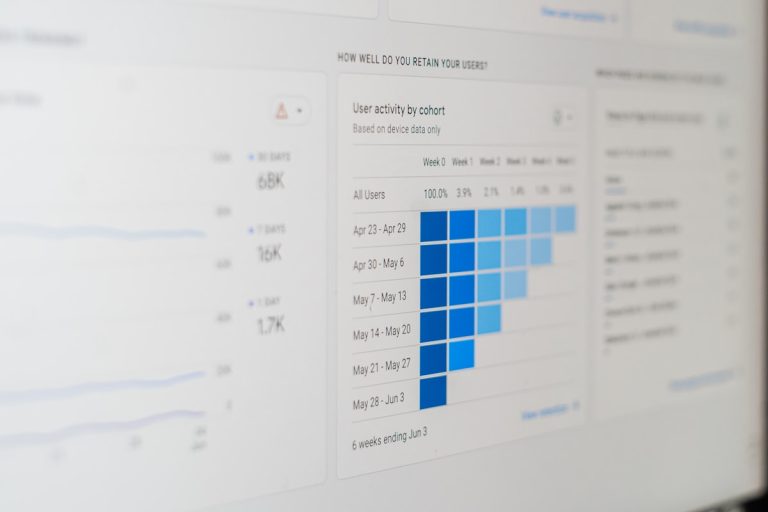
When you rely on manual metrics compilation, your team spends more time formatting tables than optimizing live campaigns. Automated campaign reporting solves this by pulling data automatically from every channel, translating raw analytics into clear, actionable recommendations.
Comparing Email Automation, Search Tools, and AI CMO
When evaluating marketing automation, businesses usually choose between traditional email service providers (ESPs), enterprise search platforms, or unified AI platforms.
Traditional ESPs vs. Integrated AI Platforms
Legacy tools like Mailchimp or MailerLite handle standard drip email sequences effectively. However, they lack direct integration with search engine optimization (SEO) and generative engine optimization (GEO) metrics. While mid-market platforms such as ActiveCampaign or Klaviyo provide deeper behavioral triggers, they still leave gaps regarding how email interactions correlate with organic organic search performance.
On the other hand, internal enterprise search engines like Glean index company documents across Slack, Google Drive, and CRMs to make internal files searchable. While this helps teams locate internal briefs faster, it does not execute external campaigns, auto-generate SEO content, or manage multi-channel tracking.
AI CMO bridges this gap. It combines content strategy, continuous SEO and GEO optimizations, and unified multi-channel tracking inside one simplified interface. Rather than merely storing or searching data, AI CMO actively manages routine tasks, ensuring your messaging aligns perfectly across email, search, and local listings. To take control of your search engine strategy automatically, Automate Your SEO with AI and scale your search visibility without adding overhead.
Building Multi-Channel Automated Workflows
To maximize marketing ROI, your automated workflows must respond dynamically to customer actions across every stage of the sales funnel.
1. The Welcome and Onboarding Sequence
When a prospective client submits a form or signs up for a newsletter, the system should trigger a multi-step nurture sequence based on real-time engagement:
- Day 0: Instant welcome message establishing brand value and set expectations.
- Day 3: Educational overview explaining how your product or service solves specific pain points.
- Day 7: Social proof, client testimonials, and case studies proving tangible outcomes.
- Day 14: Direct offer or free trial invitation targeted at active clickers.
Integrating your email sequences with unified analytics lets you see exactly how lead nurturing influences website traffic and search engine rankings. You can easily AI CMO: Unified AI Marketing Automation for Digital Growth to track lead movement through every stage of your sales pipeline.
2. Cart and Browse Recovery
For e-commerce and SaaS setups, abandoned sessions represent lost revenue. Configuring immediate, behavior-driven messages ensures you capture high-intent users:
- 1 Hour Post-Abandonment: Send a friendly reminder showing the exact item or service left behind.
- 24 Hours Later: Address common objections, highlight guarantees, and answer frequently asked questions.
- 72 Hours Later: Provide a limited-time incentive or low-inventory alert to encourage completion.
Combining cart recovery flows with automated campaign reporting reveals which product pages generate high abandonment rates, giving you the insights needed to improve page structure and call-to-action placement.
3. Local Search and GEO Targeting Integration
Modern consumers do not rely solely on standard web search, they increasingly use localized search queries and AI-powered recommendation engines. Expanding your geographic reach requires local landing page optimizations and targeted directory management. You can Master GEO Targeting with AI to optimize regional performance and secure top rankings in hyper-local searches.
24/7 Operations: Turning Data into Strategy
Effective automated campaign reporting goes far beyond displaying static charts. It actively highlights underlying performance drivers so you can make informed decisions quickly.
Real-Time Metric Aggregation
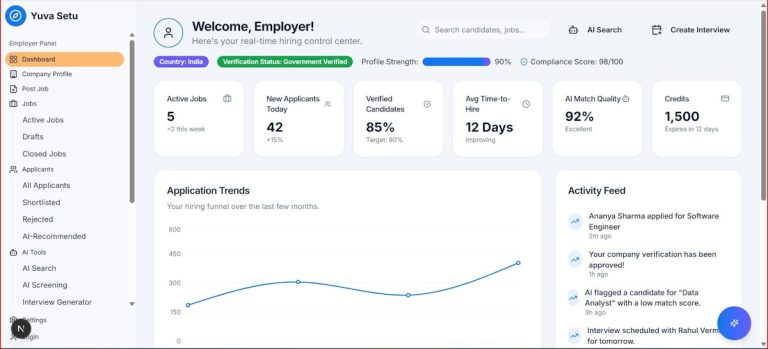
Rather than checking separate interfaces for keyword positions, open rates, and conversion figures, an integrated AI platform consolidates these data streams into a single dashboard. This allows you to evaluate your true acquisition costs across channels instantly.
Automated Insights and Strategy Adjustments
When performance shifts, such as a keyword ranking drop or a decline in email click-through rates, traditional setups require manual audit sessions to identify the cause. An intelligent automation framework alerts you to anomalies immediately, providing specific recommendations to adjust copy, rewrite meta tags, or update target keyword lists. To keep your search engine optimizations running continuously in the background, Start Your SEO Autopilot today and protect your organic reach.
Step-by-Step Guide to Maximising Marketing ROI
If you are ready to eliminate manual spreadsheets and set up continuous marketing workflows, follow this implementation roadmap:
- Audit your current software stack: List every marketing tool you pay for, note redundant subscriptions, and identify manual data transfers between departments.
- Define core reporting goals: Select the main key performance indicators (KPIs) that directly impact revenue, such as customer acquisition cost (CAC), lead conversion rate, and organic search traffic.
- Establish automated tracking triggers: Set up rule-based triggers for form conversions, page visits, and email interactions so event tracking runs automatically.
- Unify SEO, GEO, and Email channels: Centralise your channel metrics within a single dashboard to maintain a single source of truth for all performance data.
- Review and refine workflows weekly: Use automated campaign reporting summaries to make incremental adjustments to ad spend, email copy, and content targets.
By taking these steps, you build a sustainable digital marketing engine that adapts to changing customer behaviors without requiring expensive agency retainer fees.
The Future of Unified Marketing Automation
Marketing technology is shifting away from disconnected point solutions and toward fully integrated AI platforms. Businesses that continue relying on manual spreadsheet reporting risk falling behind competitors who leverage real-time analytics to make swift, data-driven decisions.
By implementing automated campaign reporting through an all-in-one AI platform, you simplify daily operations, cut software costs, and gain complete visibility over your return on investment. Whether you are aiming to improve regional search presence, streamline email nurture sequences, or maintain around-the-clock SEO tracking, unified automation provides the speed and scale necessary for lasting business growth.
Ready to transform your marketing operations and scale your business without operational friction? AI CMO: Unified AI Marketing Automation for Digital Growth gives you the tools needed to automate routine tasks and maximize your marketing ROI today.