Master Your Marketing Data with Automated Campaign Reporting
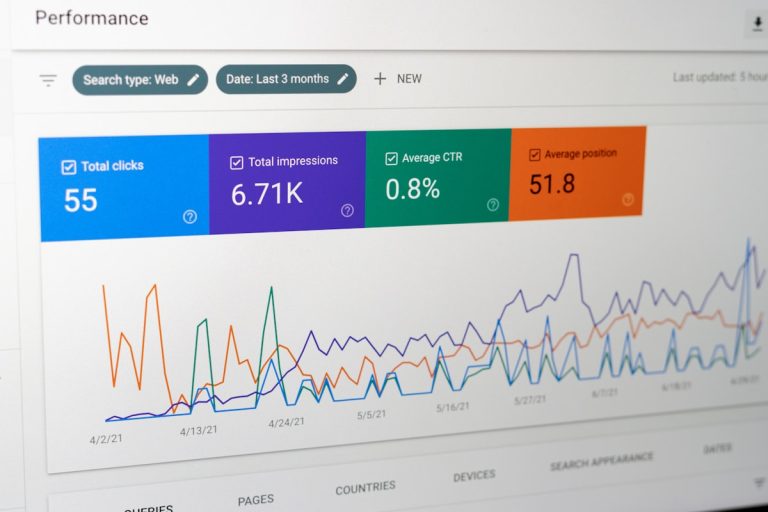
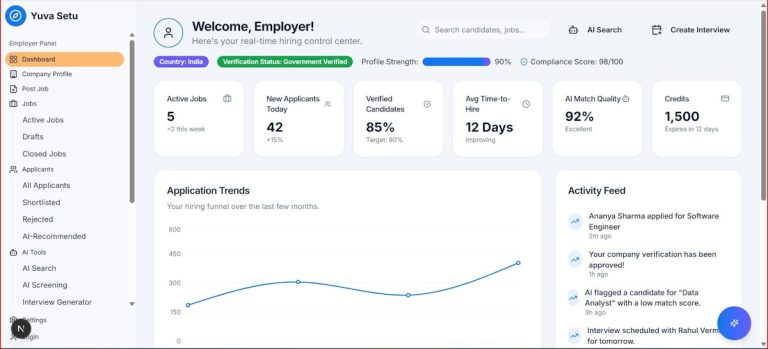
Managing modern digital marketing campaigns across multiple platforms can feel like a full-time reconciliation project. Marketers constantly wrestle with mismatched spreadsheets, disjointed third-party numbers, and hours of repetitive manual data entry. AI CMO: Unified AI Marketing Automation for Digital Growth changes this entirely by delivering seamless automated campaign reporting that unifies your performance data in real time, freeing your team from operational drudgery so you can focus on high-level strategic growth.
By replacing fragmented legacy tools and slow manual processes with an intelligent, self-learning solution, businesses can track paid ads, search engine traffic, and local search performance instantaneously. This article explores why conventional tracking methods drain valuable corporate resources, compares specialized delivery tools like Boostr with comprehensive solutions, and shows you how to implement hands-off reporting that drives measurable commercial success.
The High Cost of Manual Campaign Reporting
If you have ever spent a late Friday afternoon matching line items between ad platforms and client delivery templates, you know the pain of manual reporting. It is tedious, error-prone, and unsustainable for growing businesses.
When teams manually pull data from Google Ads, Meta, native platforms, and third-party tracking tools, several major issues inevitably pop up:
- Delayed Decision-Making: By the time monthly or weekly reports are compiled, performance data is already stale. You miss critical opportunities to reallocate budget or adjust underperforming creative.
- Costly Human Errors: Inconsistent naming conventions, formula mistakes in spreadsheets, and mismatched metrics lead to misinformed business decisions and difficult client conversations.
- Resource Drain: Marketing professionals frequently spend 20% to 30% of their working hours simply aggregating numbers rather than optimizing strategies or creating high-converting content.
To fix these operational bottlenecks, smart teams are moving away from manual spreadsheets and adopting automated campaign reporting. If you want to streamline your search performance simultaneously, you can Automate Your SEO with AI to eliminate routine manual tasks across the board.
Boostr vs AI CMO: Comparing Reporting Approaches
When evaluating reporting platforms, it helps to understand what different solutions bring to the table. Tools such as Boostr offer specialized options like their Campaign Delivery Reporting Agent, aimed primarily at large media publishers who need to reconcile first-party publisher delivery with third-party tracking systems.
While publisher-focused delivery agents excel at matching buyer templates and handling complex media IOs, they often leave a significant gap for small to medium enterprises, startups, and agile digital marketing teams.
Here is how specialized publisher agents compare against a unified platform like AI CMO:
| Feature / Focus | Specialized Delivery Agents (e.g., Boostr) | Unified AI Platform (AI CMO) |
|---|---|---|
| Primary Target Audience | Large enterprise publishers and media sales teams | SMEs, startups, agencies, and lean marketing teams |
| Operational Scope | Publisher-side IO reconciliation and buyer templates | End-to-end multi-channel automation, SEO, GEO, and reporting |
| Ease of Adoption | Requires complex enterprise setup and custom workflows | Simplified, user-friendly setup with hands-on AI execution |
| Search & Visibility Features | Limited to paid campaign delivery metrics | Built-in 24/7 SEO automation and generative engine optimization |
| Cost Efficiency | High enterprise pricing models | Scalable, affordable solution designed to replace agency overhead |
While enterprise media sellers benefit from niche reconciliation agents, modern growth teams require broader operational intelligence. Relying on isolated reporting tools often forces you to juggle multiple single-purpose subscriptions.
With AI CMO’s automated campaign reporting solution, you get an all-in-one ecosystem that connects paid ad metrics, search engine visibility, and generative AI search presence without high agency costs.
Key Benefits of AI-Driven Automated Campaign Reporting
Why should you replace traditional reporting dashboards with an AI-driven automation engine? The advantages extend far beyond simply saving time on spreadsheets.
1. Instant Cross-Channel Visibility
Instead of checking five different dashboards every morning, an automated platform centralizes every key metric. You get immediate, accurate feedback on campaign pacing, click-through rates, conversions, and customer acquisition costs across all channels simultaneously.
2. Proactive Discrepancy & Pacing Alerts
When ad impressions fall behind schedule or third-party tracking diverges from internal ad server metrics, every minute counts. AI-powered reporting flags discrepancies early in the campaign cycle, giving you the power to resolve pacing issues before they impact your quarterly revenue.
3. Integrated Organic and Local Search Tracking
Paid advertising is only one side of the digital marketing coin. To maintain a competitive edge, businesses need total visibility across organic channels as well. By using advanced tracking features, teams can Master GEO Targeting with AI to ensure local search rankings and generative engine visibility align perfectly with paid campaign goals.
Streamlining Your Multi-Channel Marketing Workflow
Transitioning to automated performance tracking is straightforward when you follow a structured implementation plan. Here is how modern marketing teams eliminate manual reconciliation in four simple steps.

Step 1: Centralize Your Data Connections
Connect your active advertising channels, analytics tools, and content repositories into a single platform. Establishing direct API connections removes the need for manual CSV exports and ensures fresh data feeds into your central dashboard around the clock.
Step 2: Standardise Naming Conventions and Metrics
Reporting errors frequently stem from inconsistent campaign naming across ad accounts. Establish strict naming rules for ad sets, creatives, and line items. Automated tools can then map these parameters seamlessly across platforms without missing a beat.
Step 3: Implement 24/7 Automated SEO and Content Tracking
Search engine algorithms and generative search results change continuously. Integrating organic search tracking alongside your paid ad reporting provides a complete picture of your total brand search footprint. You can Start Your SEO Autopilot to continuously monitor and adjust organic keyword performance alongside paid ad insights.
Step 4: Shift Focus from Data Assembly to Growth Strategy
Once routine reporting workflows run automatically, your team gains hours of newly freed time each week. Reinvest this time into high-impact activities: analyzing target audience behaviors, refining brand messaging, and launching creative multi-channel experiments.
Future-Proofing Your Marketing Operations with AI CMO
The digital marketing landscape is shifting rapidly towards AI-first discovery and data-driven decision-making. Traditional agencies and fragmented tools that rely on manual labour simply cannot keep pace with dynamic market demands.
AI CMO offers a scalable, transparent alternative. By combining 24/7 automated campaign tracking, continuous search engine optimization, and generative engine visibility into one intuitive platform, businesses can achieve rapid traffic growth and brand recognition within weeks.
Ready to stop wasting precious hours on manual spreadsheets and agency markups? Upgrade your workflow today with AI CMO’s automated campaign reporting platform and experience the power of effortless digital marketing management.