Ditch the Spreadsheets: Why You Need Automated Campaign Reporting Today
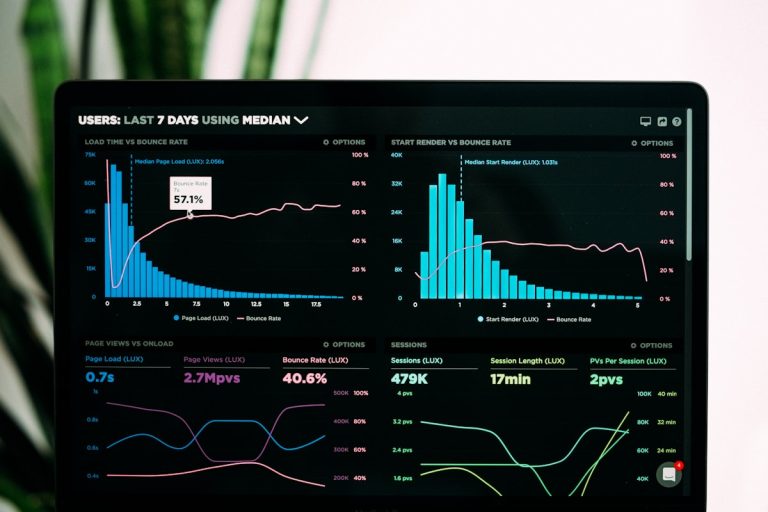
Every Monday morning, thousands of marketers wake up to the same dread. They open paid ad platforms, export messy CSV files, copy-paste metrics into spreadsheets, and manually adjust broken charts. It takes hours, wastes valuable cognitive energy, and inevitably leads to human error. If you are still building manual weekly decks, you are losing money. Setting up automated campaign reporting is no longer a luxury for big agencies; it is the fundamental baseline for any business trying to scale paid ads without going insane.
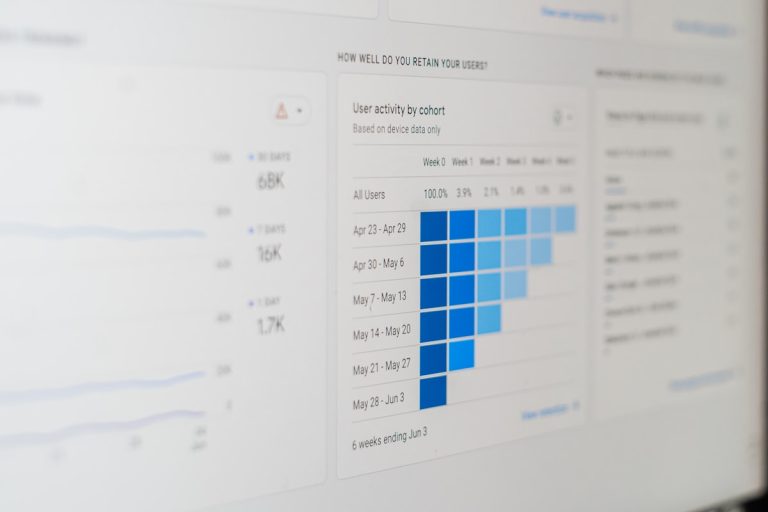
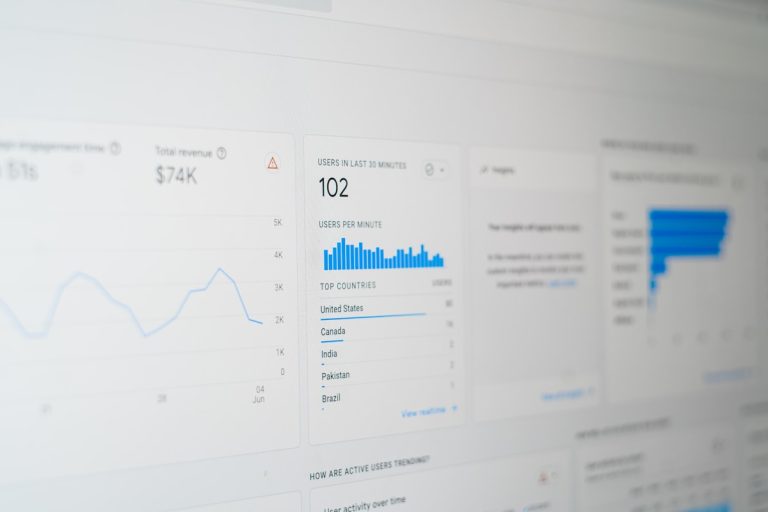
When you automate your analytics, you transform static data into immediate action. You no longer have to wait until Friday to realise a campaign burnt through its budget without conversions on Tuesday. By combining real-time tracking with smart platform insights, your team frees up hours every week to focus on actual strategy and creative testing. If you want to scale your digital growth without managing fragmented spreadsheets, you can explore unified automated campaign reporting with AI CMO and completely streamline your daily marketing tasks.
The Flaws of Traditional Reporting vs Modern AI Automation
For years, digital marketers relied on basic native tools or third-party spreadsheet add-ons like Supermetrics to pull raw data. While using Google Sheets with a data connector is better than manual typing, it still leaves you with a heavy operational load. You still have to build formulas, fix broken connections, and manually write performance commentary for stakeholders.
Legacy analytics platforms give you numbers, but they do not give you insights. They show that your Cost Per Acquisition (CPA) jumped by 40%, but they fail to tell you why or what to do about it.
Here is how modern AI-driven solutions compare to traditional reporting methods:
| Feature | Legacy Native Reports | Spreadsheet Connectors | Dashboard Platforms | AI CMO Automation |
|---|---|---|---|---|
| Setup Effort | Low | High | Medium | Very Low |
| Cross-Channel Integration | Poor | Good | Good | Seamless |
| Real-Time Insight Generation | No | No | No | Yes (24/7) |
| Actionable Recommendations | None | None | None | Instant & Strategic |
| SEO & GEO Alignment | None | None | None | Fully Integrated |
Traditional tools leave the heavy lifting to you. Modern AI platforms do the heavy lifting for you, connecting multi-channel data, identifying creative fatigue, and highlighting revenue opportunities automatically.
Step-by-Step Guide: Setting Up Automated Campaign Reporting
Ready to ditch manual spreadsheets forever? Follow this straightforward process to get your automated reporting system running efficiently.
Step 1: Identify Your Core Metrics and Cadence
Do not track every metric just because it exists. Group your reporting by decision-making levels:
- Daily Health Check: Track total spend, conversions, CPA, and active delivery issues.
- Weekly Performance Breakdown: Compare week-over-week ROAS, top-performing ad creatives, and audience performance.
- Monthly Strategic Review: Analyse overall return on investment (ROI), customer acquisition cost (CAC) trends, and long-term brand growth.
Step 2: Connect Your Paid Ad Channels
To build a true multi-channel view, link your ad accounts (Meta Ads, Google Ads, LinkedIn) to a single automation engine. Rather than managing five separate analytics tabs, route all campaign streams into a centralized dashboard. If your strategy relies on local visibility alongside paid channels, you should master GEO targeting with AI to ensure regional paid campaigns land with local relevance.

Step 3: Establish Automated Critical Threshold Alerts
Reporting is not just about historical summaries; it is about proactive risk management. Configure automated alerts for critical performance breaches:
1. Delivery Stoppages: Instant notifications if payment issues or policy rejections halt ads.
2. CPA Spikes: Alerts when acquisition costs rise 30% above your rolling average.
3. Creative Fatigue: Automated flags when Click-Through Rate (CTR) drops alongside an increase in ad frequency.
Connecting Paid Ads Reporting to Content Strategy
Data in a vacuum is useless. The true power of automated campaign reporting comes when you feed performance metrics directly back into your content creation workflow.
For instance, if your paid ad reports reveal that specific messaging themes yield a high CTR and low CPA, you should immediately turn those concepts into organic content. With tools like Maggie’s AutoBlog, you can automatically generate SEO and GEO-targeted blog content based on what your real-time campaign performance data dictates.
To bridge the gap between organic traffic growth and paid ad performance, you can automate your SEO with AI CMO, building a self-sustaining marketing engine where organic content supports paid lead capture.
Why AI CMO Superiority Outshines Legacy Competitors
Many platforms promise campaign automation, but most only cover fragmented pieces of the puzzle. Platforms like SEMrush or Ahrefs offer fantastic technical SEO data, but they lack hands-on execution for paid campaign tracking and dynamic automated workflows. HubSpot provides solid inbound tools, but its platform carries massive enterprise price tags and complex onboarding hurdles that small to medium enterprises simply cannot afford.
AI CMO replaces this fragmented software stack with a single unified solution. It handles 24/7 SEO and GEO tracking, automated multi-channel reporting, and practical execution, all without requiring an expensive marketing agency on retainer. You gain clarity, speed, and massive cost savings from day one.
Summary: Focus on Strategy, Let AI Handle the Execution
Stop spending your valuable working hours updating spreadsheets and building manual presentation decks. Automated reporting gives you immediate visibility into ad performance, protects your marketing budget with real-time threshold alerts, and directly informs your content strategy.
By combining real-time performance tracking with direct content execution, you eliminate operational clutter and focus on expanding your business. To upgrade your marketing workflow today, start your automated campaign reporting with AI CMO and take complete control of your digital growth strategy.