Why Traditional Dashboards Fail Modern Digital Campaigns
Managing digital marketing across multiple channels often feels like trying to complete a jigsaw puzzle while blindfolded. You log into Google Analytics to check web traffic, jump over to ActiveCampaign or Mailchimp to see email open rates, and then scrape data from social management tools to track engagement. By the time you gather all these figures into a single spreadsheet, the data is already stale. Modern growth demands real-time execution, yet traditional marketing platforms force teams to waste hours building static visual charts instead of making tactical decisions. Moving beyond slow manual aggregation requires a single platform for automated campaign reporting with AI CMO that pulls live performance tracking, multi-channel analytics, and continuous optimization into one clear view.
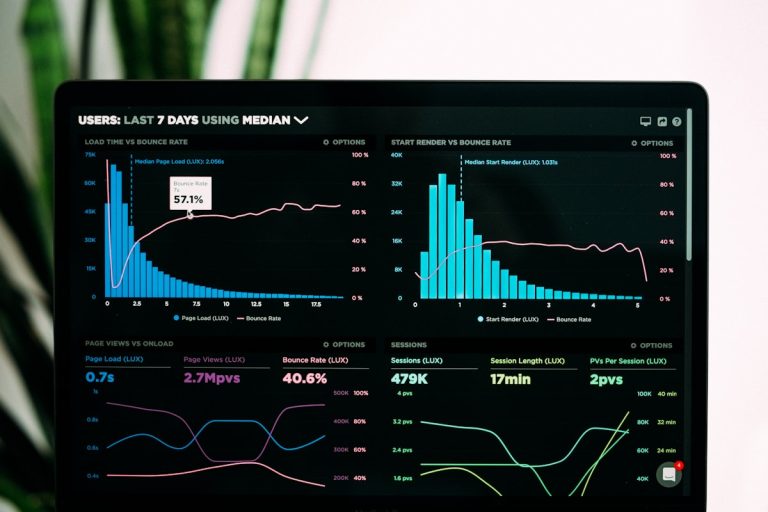
Static dashboards show you what happened yesterday, but they completely fail to tell you what to do next. When you rely on traditional automation overview reports, you get vanity metrics: total contacts entered, basic completion rates, or superficial click figures. These charts require human analysis to find the underlying problems, leaving lean marketing teams and small businesses trapped in a loop of endless manual adjustments. True marketing automation needs to go a step further by bridging the gap between reporting and real-time execution. Rather than wasting budget on expensive agencies or wrestling with fragmented tools, modern businesses are adopting proactive systems that automatically diagnose bottlenecks, optimize content on the fly, and turn raw data into measurable growth instantly.
The Flaws of Conventional Reporting Tools
Traditional marketing platforms like ActiveCampaign, HubSpot, or SEMrush provide vast amounts of data. However, data alone is not an strategy. Most analytics dashboards operate like a car speedometer: they tell you how fast you were going ten minutes ago, but they will not steer you away from an incoming obstacle.
Here is where traditional campaign reporting falls short:
- Data Fragmentation: Your email performance sits in one portal, SEO keyword rankings sit in another, and pay-per-click statistics live somewhere else entirely. Connecting these dots manually takes hours every week.
- Passive Metrics Over Active Insights: Conventional overview reports display graphs showing contact completions or open rates, but they offer zero guidance on how to fix a failing funnel.
- High Agency Overhead: Many small to medium-sized enterprises end up paying retainer fees to marketing agencies just to interpret monthly PDF reports.
- Delayed Optimisation: By the time you notice an ad campaign is underperforming or a search ranking has dropped, you have already wasted precious budget.
If you are tired of juggling disparate tools just to monitor basic organic metrics, you can easily automate your SEO with AI to keep your search presence consistently optimized without manual intervention.
AI CMO vs. Traditional Marketing Automation Dashboards
To understand why AI-driven platforms represent a massive paradigm shift, it helps to look at how traditional platforms compare against a fully automated, unified system like AI CMO.
| Feature | Traditional Dashboards (ActiveCampaign, HubSpot, etc.) | AI CMO Unified Automation |
|---|---|---|
| Data Aggregation | Manual integration across fragmented platforms | Fully integrated multi-channel performance tracking |
| Actionable Advice | Passive graphs; requires human interpretation | Proactive AI recommendations and instant execution |
| SEO & GEO Optimisation | Limited to basic keyword tracking tools | 24/7 real-time SEO and Generative Engine Optimisation |
| Content Execution | Manual drafting or basic template triggers | Automated, data-driven content generation strategy |
| Operational Costs | High software fees plus agency retainers | Affordable, scalable solution built for lean teams |
Traditional platforms excel at showing you static lists of completed contact steps or open percentages. But they do not optimize your campaigns for you. AI CMO completely eliminates this bottleneck by combining real-time tracking with autonomous action.
Transforming Data into Action: How Autonomous Reporting Works
Imagine launching a multi-channel campaign across organic search, localized engine queries, and targeted email workflows. In a standard setup, you would check your analytics after two weeks, notice that local search traffic is lagging, draft new landing page content, and update your keywords manually.
With an autonomous system, the workflow changes completely:
- Continuous Data Ingestion: The system tracks performance across search engines, geo-targeted queries, and content channels simultaneously.
- Instant Bottleneck Identification: Instead of waiting for a monthly review, the AI flags dips in engagement or ranking drops instantly.
- Automatic Strategic Adjustments: The platform tweaks keyword targets, updates localized optimization, and generates targeted content to fill performance gaps.
By turning reporting into an automated loop of feedback and execution, businesses can scale their output without expanding their headcount. To capture nearby search intent without manual research, modern teams choose to master GEO targeting with AI to dominate hyper-local search queries effortlessly.

Integrating Search and Multi-Channel Visibility
A major blind spot in conventional marketing dashboards is the separation between search optimization and campaign analytics. Most automation tools handle email workflows or social schedules, but leave search engine rankings to separate, specialized SEO platforms.
This creates an uncomfortable disconnect. Your email marketing team works in isolation from your search optimization efforts, leading to inconsistent messaging and missed opportunities.
AI CMO solves this by incorporating search visibility directly into your reporting workflows. It tracks both traditional search queries and Generative Engine Optimisation (GEO) vectors, ensuring your brand stays visible whether users search via standard search engines or ask conversational AI platforms for recommendations. By leveraging dynamic automated campaign reporting platforms, your team gains full visibility across all organic touchpoints from a single intuitive interface.
Eliminating Agency Dependence and Fragmented Tool Stacks
For startups and growing enterprises, digital marketing budgets are frequently swallowed up by two major expense lines: bloated software subscriptions and expensive agency retainers.
Managing five or six different software tools, each costing hundreds of pounds per month, quickly drains resources. Relying on an agency to interpret those tools adds even more overhead, often with slow response times and vague progress reports.
By switching to a hands-on AI platform, businesses eliminate expensive middle-men. AI CMO manages complex operational intricacies in the background, allowing business owners and marketing leads to focus on high-level strategy while the platform handles real-time execution.
Practical Steps to Master Automated Reporting
Transitioning from static dashboards to continuous AI optimization does not have to be overwhelming. You can modernize your marketing reporting process in a few straightforward steps:
1. Audit Your Current Metric Stack
Identify which metrics actually drive revenue versus those that simply look impressive on paper. Focus on conversion pathways, multi-channel engagement rates, and search visibility rather than top-level impressions.
2. Streamline Your Software Ecosystem
Replace single-purpose tracking software with a unified tool. Eliminating data siloes reduces errors and ensures every piece of content works toward the same core business goals. If search performance is your primary focus, you can start your SEO autopilot workflow to handle keyword targeting and content creation automatically.
3. Shift from Reviewing to Executing
Stop scheduling hours-long team meetings just to read static charts. Set up automated workflows that react to performance shifts instantly, ensuring your content updates themselves whenever search trends change.
4. Optimize for Local and AI-Driven Search
Traditional search engine optimization is only half the battle. Your reporting must also track local relevance and AI search engine visibility, making sure your brand surfaces when potential clients ask direct questions online. You can enhance your local visibility with AI CMO to capture high-intent local buyers seamlessly.

The Future of Marketing Operations is Autonomous
The era of manual reporting, scattered spreadsheets, and passive analytics dashboards is coming to a close. Modern marketing moves too quickly for businesses to rely on monthly reviews and manual content tweaks.
By unifying performance analytics, search optimization, and AI-driven execution into one accessible system, AI CMO gives lean teams the operational power of a enterprise marketing department. Instead of drowning in complex dashboards, you get clear insights and automated actions that drive consistent brand growth.
Ready to replace static charts with autonomous execution? Experience the full power of unified analytics and continuous execution by signing up for AI CMO automated campaign reporting solutions today.