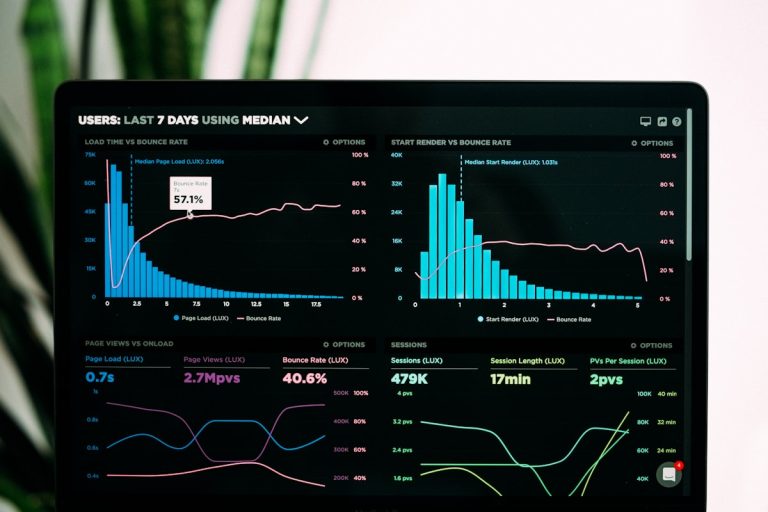
The High Click-Through Rate Trap: Why Your Paid Ads Fail to Deliver Revenue
You launch a pay-per-click ad set, log into your analytics dashboard a few days later, and see double-digit click-through rates. People are clicking like crazy. You congratulate yourself, expecting the sales or qualified leads to roll in shortly after. But then you look at your bank account or CRM, and there is nothing. Crickets. This frustrating discrepancy leaves countless marketers scratching their heads. You are paying for top-tier traffic, yet nobody is taking the final leap to purchase or sign up. High engagement without actual conversions is a money pit that drains your marketing budget faster than you can keep up.
The core issue usually lies in the disconnect between user expectation, search intent, and post-click reality. When ads promise one thing or target overly broad keywords, curious clickers arrive on a page that fails to match their immediate needs. Fixing this requires a shift from manual, surface-level tweaks to continuous, smart optimization. By deploying intelligent PPC campaign automation, you can instantly align ad creative with search intent, eliminate wasted ad spend, and turn high-traffic clicks into actual paying customers.
Diagnostics: Why High CTRs Do Not Equal Business Growth
A high click-through rate simply means your ad creative was intriguing enough to prompt a click. It does not mean the user actually wants what you are selling. Let us break down the exact mechanical breakdowns that cause this leak in your marketing funnel.
1. The Landing Page Message Disconnect
When someone clicks an ad, they expect an immediate continuation of the story that the ad started. If your ad promises a “50% Discount on SEO Audits” and the destination link lands on a generic homepage listing ten different services, the user gets confused. Confusion kills conversions.
- The headline on your landing page must directly reflect the ad headline.
- The offer needs to be front, centre, and instantly accessible.
- Navigation menus should be minimal to prevent users from wandering off.
If your post-click destination requires users to hunt around for what was promised, they will hit the back button within three seconds.
2. Attracting “Curious Clickers” Instead of Buyers
Overly broad keyword match types and catchy, sensationalist ad copy can inflate your click metrics while torpedoing your return on ad spend. You might be targeting broad terms like “marketing software” when your product is a niche B2B platform.
Users searching for general information will happily click your ad out of curiosity, realise it requires a paid commitment or target enterprise solutions, and leave. You pay for the click regardless. To stop burning cash, you need continuous negative keyword auditing and precise search intent targeting.
3. Technical Friction and Broken Conversion Funnels
Sometimes the issue is purely technical. You might have great copy, perfect message match, and ready-to-buy prospects, but your checkout form is broken on mobile devices.
- Slow loading times (anything over two seconds dramatically drops conversion rates).
- Overly complex forms asking for ten unnecessary fields.
- Broken conversion tracking scripts that fail to fire, giving you false data.
- Missing local trust signals or unclear call-to-action buttons.
Fixing these operational errors manually across multiple advertising networks takes hours of daily auditing that most small teams simply cannot afford.
Bridging the Gap with Multi-Channel AI Optimization
Fixing a leaky sales funnel requires looking beyond pay-per-click ads alone. Modern digital marketing demands an integrated approach where your search ads, organic content, and local search signals work in complete harmony.
Aligning Paid Intent with Organic SEO Content
Paid ads capture immediate demand, but organic content builds the long-term domain authority and educational footprint required for complex purchasing decisions. If a user clicks your paid ad today but is not quite ready to buy, having an automated SEO presence ensures they find your brand organically when they perform research tomorrow.
By employing dynamic strategies like automate your SEO with AI, you can continuously create hyper-relevant content that answers the exact questions your paid ad visitors are asking. This builds brand trust across multiple touchpoints, lowering your overall customer acquisition costs over time.
Capitalising on Local and Regional Intent
If your business serves specific geographical regions across Europe, generic ad campaigns will waste budget on users outside your service area. Geo-targeted marketing ensures that your ad budget targets audiences where you can actually deliver value.
When you master GEO targeting with AI, you can automatically adapt your ad extensions, landing page copy, and localized SEO pages to match the specific search habits of regional audiences. This hyper-local relevance turns generic browsers into highly qualified, high-intent leads.
How AI CMO Transforms PPC Performance from the Ground Up
Managing multi-channel marketing campaigns manually is an exhausting task. You have to write ad copy, adjust keyword bids, build landing pages, analyze conversion paths, and audit negative keywords daily. Traditional marketing agencies charge thousands of pounds a month for this level of oversight, often delivering slow, opaque reports that leave you guessing about actual ROI.
AI CMO replaces this fragmented, expensive routine with a unified marketing engine designed to solve the high-CTR, low-conversion crisis automatically.
Halfway through your campaign optimization journey, it becomes clear that relying on siloed tools or manual spreadsheets is holding your business back. Taking advantage of AI CMO: Unified AI Marketing Automation for Digital Growth allows small to medium businesses and modern marketing teams to automate complex operational workflows effortlessly.
Real-Time Performance Tracking and Continuous Optimization
Instead of waiting for an agency to deliver a monthly performance review, AI CMO operates 24/7. It tracks user interactions in real time, identifying exactly where prospect drop-off occurs. If a specific keyword combination generates high clicks but zero conversions over a set threshold, the platform adjusts bidding strategies automatically or flags the landing page for copy refinement.
Unified Content and Campaign Execution
Rather than juggling ten different SaaS subscriptions for keyword research, ad copywriting, landing page analysis, and rank tracking, AI CMO combines these critical execution channels into a single, user-friendly interface.
- Automated Intent Matching: The AI analyzes search queries to ensure your ad headlines match user intent precisely.
- Data-Driven Messaging: Generates clear, high-converting ad copy and complementary site content designed to resonate with target audience segments.
- Cross-Channel Synergy: Syncs your paid ad campaigns with continuous SEO and regional visibility efforts so your brand dominates search results naturally.
By letting artificial intelligence manage the operational intricacies of campaign adjustments, your team can step back from mundane manual tasks and focus entirely on high-level business strategy and product development.
Practical Steps to Fix Your High CTR, Low Conversion Campaigns Today
Ready to repair your ad funnels and stop wasting ad spend? Follow this actionable step-by-step framework to convert your engagement into actual profit.
Step 1: Audit Your Negative Keyword List
Review your search terms report immediately. Identify non-converting keywords with high click volumes (for instance, queries containing “free,” “jobs,” “templates,” or “how to”) and add them as exact or phrase-match negative keywords.
Step 2: Streamline Your Post-Click Experience
Match your landing page headline word-for-word with your ad creative. Ensure your primary conversion form is visible above the fold on both desktop and mobile screens, and remove any unnecessary links that divert attention away from the primary CTA.
Step 3: Implement Integrated Search Automation
Stop running search ads in an isolated silo. Use SEO automation strategies to ensure your paid keywords are supported by organic content hubs, establishing immediate industry authority when users research your brand online.
Step 4: Refine Regional Parameters
If your analytics show high bounce rates from specific geographic locations, narrow your location parameters. You can boost local search rankings by tailoring landing page copy dynamically to reflect local terminologies, regional offers, and localized business presence.
Step 5: Automate Optimization Workflows
Move away from manual daily bid adjustments. Transition your strategy toward unified AI-driven platforms that track performance signals 24/7, continuously adjusting messaging, targeting, and landing page performance in real time.
Stop Paying for Empty Clicks and Start Scaling Revenue
High click-through rates feel great as a vanity metric, but clicks do not pay the bills. If your ad campaigns are attracting endless traffic without moving the needle on revenue, it is time to dismantle the disconnect between your ad copy and your conversion environment.
By combining precise search intent targeting, seamless landing page experiences, and multi-channel marketing synchronization, you can easily turn passive clickers into active buyers. Eliminating fragmented marketing software and agency overhead allows your business to scale efficiently without ballooning operational costs.
Ready to fix your paid campaigns and maximize your marketing ROI? Discover how AI CMO turns high CTRs into business growth by automating your entire marketing ecosystem today.