Why Fragmented Marketing Software Is Breaking Your Bottom Line
Managing digital marketing today feels like juggling live hand grenades. You have one tool for paid ads, another for organic search, a third for local maps tracking, and a massive agency charging thousands of pounds every month just to look at spreadsheets. If you want to scale your business efficiently, relying on point solutions for paid campaigns and manual workflows quickly becomes a nightmare. Modern search algorithms and ad networks update constantly, making single-function tools obsolete almost as soon as you subscribe. That is why smart businesses are moving towards unified systems, combining search strategy, search engine visibility, and cross-channel campaign handling into a single operational brain.
Instead of paying massive monthly retainer fees to agencies that move at a snail’s pace, forward-thinking brands rely on integrated intelligence to run their operations round the clock. Adopting comprehensive AI PPC automation with AI CMO: Unified AI Marketing Automation for Digital Growth gives you complete, end-to-end control over your growth channels without needing ten different logins or a bloated marketing team. In this guide, we compare traditional single-purpose tools against a fully automated, central AI strategy engine so you can streamline your operations, slash wasted ad spend, and claim top search positions across every channel.
The Reality of Today’s Marketing Stack Paradox
Why do tech stacks get so out of hand? It starts innocently enough. You launch your business and sign up for a keyword research tool. Then you need an ad manager for pay-per-click bidding. Soon after, you add a local rank tracker, a social scheduler, and an email tool. Before you know it, you are paying hundreds of pounds every month for a stack of platforms that do not speak to one another.
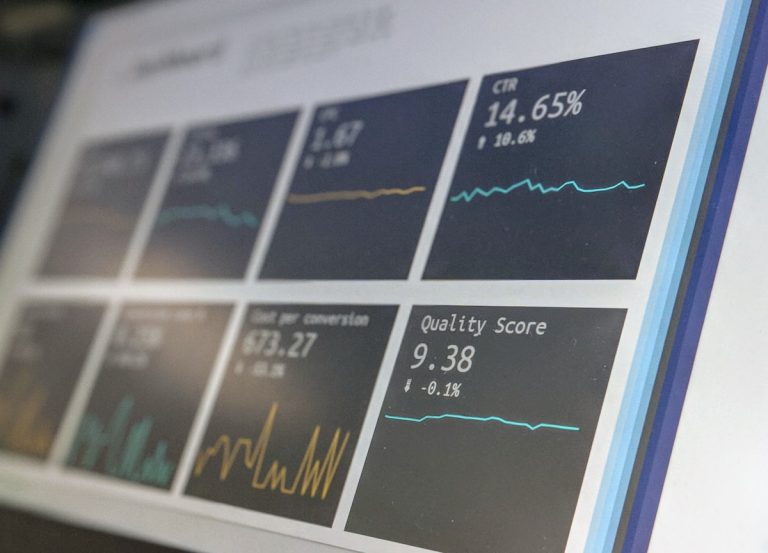
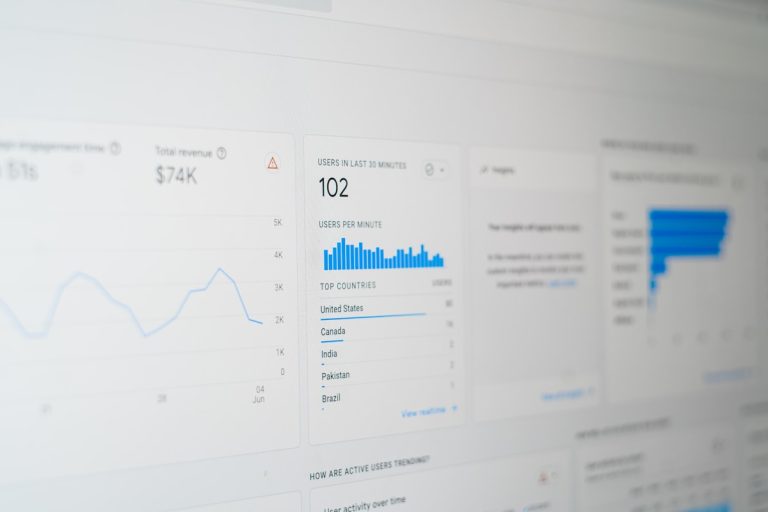
This fragmentation creates massive data silos. Your paid ad data lives in one portal. Your organic search metrics live in another. You spend hours every week downloading CSV files, copying numbers into custom spreadsheets, and trying to figure out what actually drove last week’s sales.
The Real Cost of Tool Overload
It is not just about software subscription costs, although those stack up quickly. The real cost is time and lost opportunity. When your data is scattered across five different dashboards, you miss crucial trends:
- Ad spend gets wasted on keywords that organic search already dominates.
- Local search queries get ignored because your PPC bidding engine does not understand regional intent.
- Content production stalls because your team spends all its time managing tool integrations instead of executing strategy.
Traditional single-point tools leave you doing all the heavy strategic lifting yourself. They give you charts and data points, but they force you to execute every optimisation by hand.
Comparing Leading Marketing Platforms vs Unified AI CMO
Let us take an honest look at how popular marketing platforms stack up when put side by side with a central, automated intelligence engine.
| Feature / Capability | Traditional SEO & Analytics Platforms (e.g. SEMrush, Ahrefs, Moz) | Enterprise Automation Suites (e.g. HubSpot, Marketo) | Unified AI CMO Platform |
|---|---|---|---|
| Primary Focus | Data analytics, keyword tracking, backlink research | Lead nurture, email automation, CRM workflows | End-to-end execution across search, ads, and local intent |
| Execution Style | Manual execution required by user | Rule-based automation requiring setup | Fully automated 24/7 strategic execution |
| Paid & Organic Synergy | Disconnected data streams | Limited ad integration | Combined insights driving organic and paid strategy |
| Generative Engine Optimisation (GEO) | Non-existent or minimal | Not supported | Integrated tracking for generative search visibility |
| Agency Replacement Capability | Low (requires expert operator) | Low (requires dedicated strategist) | High (handles strategy and operational tasks) |
Dissecting Legacy Analytics Platforms
Tools like SEMrush, Ahrefs, or Moz are fantastic databases. They show you search volumes, keyword difficulty ratings, and competitor backlinks. But what happens after you get that data? You still have to figure out what content to write, how to structure your ad bids, and how to update your regional landing pages. They show you the map, but they do not drive the car.
The Limits of Enterprise Automation Platforms
On the enterprise side, options like HubSpot or Marketo offer great lead workflows, but they fall short on deep organic search execution and local generative tracking. They are built to process leads after they land on your site, not to dynamically capture traffic from evolving AI search platforms and ad networks.
When you want to Automate Your SEO with AI, relying on heavy enterprise tools often means spending months on onboarding and hiring external consultants just to configure your workflows.
What Makes Unified AI Marketing Automation Different?
To win in modern search results, you need a system that acts as a strategist, content builder, and performance analyst all at once. A unified AI platform operates on three distinct pillars: continuous real-time execution, cross-channel synergy, and multi-tier visibility optimisation.

1. Generative Engine Optimisation (GEO) Meets Traditional SEO
Traditional search engine optimisation focuses heavily on blue links on Google. But modern users do not just click traditional search listings anymore. They ask AI engines for direct recommendations, look at local maps packages, and evaluate summaries generated on the fly.
If your strategy does not target generative engines, you are missing out on high-intent buyers. A unified platform monitors how conversational search engines view your brand, making sure your content gets cited as the primary recommendation. When you Master GEO Targeting with AI, your brand shows up exactly where modern buyers look for quick answers.
2. Eliminating the Agency Overhead
Traditional digital marketing agencies operate on high monthly retainers. You pay thousands of pounds upfront, wait two weeks for a strategy deck, and spend another month arguing about why campaign tweaks take so long to implement.
An automated AI executive reverses this equation:
* 24/7 Operations: The platform continuously analyses performance metrics and adjusts strategies instantly.
* Instant Adaptability: When search algorithms shift or competitor bidding behaviour changes, adjustments happen in real time.
* Radical Transparency: You see exactly what tasks are executed, what keywords are targeted, and where every pound goes.
Halfway through your growth journey, taking advantage of AI PPC automation with AI CMO allows you to reallocate funds from expensive agency overhead straight into revenue-generating ad budgets or product development.
Step-by-Step: Replacing Fragmented Tools with an AI Core
Transitioning from a chaotic web of point tools to a central AI driver is much simpler than you think. You do not need a team of developers or weeks of downtime to streamline your marketing operations.
Step 1: Audit Your Current Software Subscriptions
Start by listing every single marketing tool invoice you paid over the last quarter. Group them into distinct categories:
* Paid Search & Social Ad Management
* SEO Research & Rank Tracking
* Local Search & Map Citation Tools
* Content Planning & Analytics Dashboards
Calculate the total monthly spend along with the hours your team spends logging in and out of these separate platforms.
Step 2: Establish Central Control
Connect your primary search and analytics data streams directly into a central AI engine. Instead of manually inspecting keyword metrics across multiple platforms, let the AI gather raw performance data, identify low-hanging fruit, and construct an actionable content plan automatically.
Step 3: Automate Continuous Optimisation
Set your operational parameters and let the automation engine handle recurring tasks. This includes tracking search rankings, discovering long-tail keyword variations, updating underperforming content, and tweaking targeting vectors based on real-time consumer intent.
By leaning on automated strategies, you can Start Your SEO Autopilot and let intelligent systems handle day-to-day search tasks while your core team focuses on high-level business expansion.
Real-World Impact: Cost Savings and Scalability
What actually happens to your business bottom line when you trade fragmented tools and agency retainers for unified automation?

Slashing Operational Overhead
Small to medium enterprises and fast-growing startups often struggle with tight operational budgets. Paying £1,500 per month for software subscriptions plus £4,000 per month for a digital marketing agency drains capital that could be used to hire key staff or scale inventory.
Replacing that setup with a unified platform provides immediate financial relief:
1. Tool Consolidation: Save hundreds every month by replacing overlapping subscriptions.
2. Agency Independence: Reclaim retainer fees while getting faster execution speed.
3. Reduced Payroll Inflation: Scale your marketing reach without needing to recruit dedicated specialists for every minor marketing task.
Fast-Tracking Traffic and Local Ranking Gains
Because AI systems process search signals and competitive metrics instantly, strategic updates happen in minutes rather than weeks. Businesses utilizing continuous AI execution frequently see noticeable boosts in brand visibility and targeted organic traffic within weeks of setup.
Whether you run an e-commerce platform, a local service company, or a SaaS startup, focusing on local intent and dynamic search positioning gives you a massive advantage over competitors who update their campaigns once a month. You can easily Enhance Your Local Visibility to capture hyper-targeted buyers in your precise geographic footprint.
The Future of Search and Marketing Automation
The digital landscape is moving faster than ever before. Traditional search engines, answer engines, and paid channels are converging into interactive, direct-response experiences. Relying on piecemeal tools, manual spreadsheets, and slow-moving agency partners is no longer a viable long-term strategy for competitive businesses.
A unified marketing platform acts as your ultimate growth partner. It connects the dots between organic keyword discovery, local map visibility, generative search presence, and multi-channel performance tracking. By eliminating operational complexity and lowering costs, automated intelligence empowers small and medium businesses to outpace enterprise competitors who are bogged down by massive teams and legacy software.
Ready to stop wasting time on fragmented tools and expensive agency retainers? Streamline your growth, master multi-channel visibility, and transform your business strategy today with AI PPC automation through AI CMO.