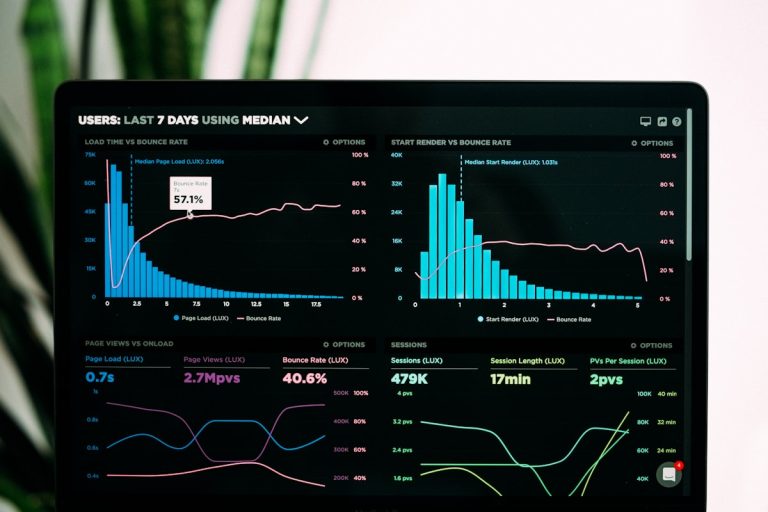
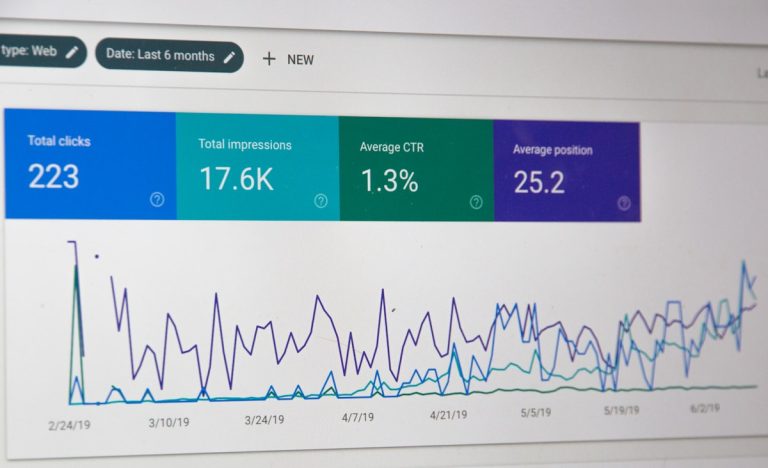
The New Frontier of Paid Search: Why Manual Bidding is Dead
Managing paid search manually feels like trying to scoop out a sinking boat with a tea cup. You tweak keywords on Monday, adjust bids on Tuesday, and by Friday, your ad spend has vanished with very little to show for it. Modern pay-per-click advertising moves too fast for human fingers. Between sudden shifts in search volume, sneaky competitor moves, and constant algorithm changes, staying ahead requires relentless execution. That is where AI PPC automation takes over the heavy lifting. By processing massive volumes of search data instantly, smart systems adjust your strategy in real time. If you want to cut wasted spend and drive sustainable growth, it is time to explore how AI CMO: Unified AI Marketing Automation for Digital Growth simplifies your digital marketing efforts without agency overhead.
This guide explores how artificial intelligence transforms paid search management from a stressful chores list into a streamlined growth engine. We will break down the mechanics of automated bidding, look at common pitfalls to avoid, and show you how to blend paid acquisition with organic search. Managing ads should not require a massive internal team or an expensive external agency. With the right strategy, you can automate operational tasks, maintain total transparency over your marketing spend, and keep your focus on big-picture business goals.
The Problem with Traditional PPC Management
Why do so many pay-per-click campaigns stall after a promising start? It usually comes down to three main pain points: time, complexity, and bad data.
The Fragmented Tool Trap
Most small businesses and growth-focused teams use a dozen different dashboards. You have one platform for keyword research, another for ad copy creation, a third for analytics, and separate dashboards for each ad network.
Jumping between these apps wastes hours every week. Worse, it leads to fragmented strategies where your paid ad messaging completely ignores what your SEO or local search tactics are doing.
Agency Overhead and Opaque Reporting
Hiring a traditional agency often feels like signing a blank cheque. You pay hefty retainer fees, but when you ask where the money went, you get vague reports filled with vanity metrics like impressions and vanity clicks.
You rarely see real-time performance tracking or clear explanations of what was optimized. When you want to shift direction fast, you hit a wall of account manager emails and delayed updates.
The Slow Human Reaction Time
Search behavior changes by the minute. A sudden news story, a sudden weather shift, or a flash sale by a competitor can instantly alter search intent.
If your bidding adjustments depend on a weekly account check, you are missing prime converting opportunities and burning money on non-converting traffic. Real-time adjustments require round-the-clock computational power.
How AI PPC Automation Works Under the Hood
Automating your paid search does not mean handing your budget over to a black box and hoping for the best. It means setting clear rules, feeding clean inputs, and letting machine learning algorithms process data far faster than any human marketer could.
1. Dynamic Bid Adjustments
Instead of manually setting static cost-per-click limits, automated tools analyse historical conversion rates, device preferences, user locations, and time of day.
If a searcher shows high purchase intent on a mobile device at 2 PM, the system raises the bid slightly to capture the top ad spot. If a visitor query looks like informational browsing rather than buying, the system steps back to save your budget.
2. Predictive Analytics and Trend Identification
Predictive models do not just look at past performance, they anticipate future action. By identifying micro-patterns across search queries, intelligent systems highlight emerging keywords before their search volume explodes.
This gives you a first-mover advantage, letting you capture high-intent traffic at a fraction of the cost before competitors even notice the trend.
3. Integrated Keyword and Content Alignment
Paid search does not exist in a vacuum. Your search ads need relevant, highly converting landing page content to achieve top quality scores.
When you Start Your SEO Autopilot alongside your paid campaigns, your paid performance directly feeds your organic strategy. Highly converting ad copy ideas can immediately become blog posts and landing pages, building long-term search authority while your ads secure instant visibility.
Five Mistakes to Avoid When Automating Paid Search
Automation is a force multiplier, but bad inputs produce bad outputs fast. Here are the top mistakes marketers make when deploying automation tools:
- Setting and Forgetting: Automation requires governance. Leaving your campaigns completely unattended without setting strict spend limits or brand safety guardrails can waste your budget on irrelevant search terms.
- Starving the Algorithm of Data: Machine learning models rely on rich conversion data to learn what success looks like. If you do not configure proper tracking across all landing pages, the system is essentially driving in the dark.
- Neglecting Search Intent Alignment: Bidding on high-volume keywords without considering landing page relevance leads to high bounce rates. Ensure your destination pages directly match what the searcher expects to find.
- Ignoring Local Search Signals: National campaigns often burn money by ignoring geographic nuances. If your business serves specific regions, you should Master GEO Targeting with AI to ensure your ad spend targets active buyers in your actual service areas.
- Chasing Impressions Over ROI: High click counts look great on paper, but revenue is what pays the bills. Always align automated rules with business outcomes like cost-per-acquisition and return on ad spend rather than superficial traffic figures.
Halfway through your automation journey, you will notice something interesting: operational headaches fade away. Instead of spending your mornings pulling reports and shifting bids, you can focus on audience positioning, high-level messaging, and product strategy. If you are ready to streamline your entire acquisition stack, you can AI CMO: Unified AI Marketing Automation for Digital Growth and take total control over your digital visibility today.
Combining Paid Ads with Generative Engine Optimization (GEO)
Search engine landscapes are changing rapidly. Traditional ad placements now sit alongside AI summaries, dynamic voice responses, and contextual answer engines. Winning in this space requires a combined strategy that blends paid ads, standard search engine optimisation, and Generative Engine Optimization (GEO).
What is GEO?
Generative Engine Optimization focuses on getting your brand referenced, cited, and recommended inside modern AI-driven discovery engines. When potential customers ask conversational AI engines for software recommendations or local service advice, GEO strategies ensure your business is front and centre.
Why Paid Search and GEO Work Better Together
When someone sees your paid ad at the top of a search results page, and then finds your brand cited in an AI summary right below it, your credibility instantly doubles.
By using paid ad testing to discover winning key phrases, you can instantly feed those insights into your organic strategy. If a phrase converts well in paid search, you can immediately Automate Your SEO with AI to dominate organic listings for the exact same term.
Unifying Local and Multi-Channel Signals
Whether you run an e-commerce shop or a regional service business, hyper-targeted reach matters. Broad campaigns burn cash. Combining paid hyper-targeted ads with regional optimization lets you target ideal customer segments down to specific postcodes or buying intents. To secure top spots in location-aware searches, you can Enhance Your Local Visibility and capture nearby demand automatically.
AI CMO: Your Complete Alternative to Agencies and Fragmented Software
Most marketing platforms give you analytics graphs, but leave all the execution on your shoulders. You are still forced to write every headline, review every search term report, and post every update manually.
AI CMO flips this model on its head. Built specifically for startups, small-to-medium enterprises, and agile marketing teams, it offers a unified solution that handles strategy, execution, and real-time tracking across channels.
1. Eliminating Tool Chaos
Instead of juggling five separate subscriptions for keyword tracking, ad management, and content creation, AI CMO brings everything into a single, intuitive workspace. You cut soft software costs immediately while gaining a crystal-clear view of your full marketing funnel.
2. Continuous 24/7 Execution
Marketing opportunities do not wait for business hours. AI CMO runs real-time checks across your campaigns, tweaking parameters, spotting traffic anomalies, and updating performance metrics continuously. You get peace of mind knowing your campaigns are constantly optimized behind the scenes.
3. Data-Driven Content and Search Strategies
Need to scale your search footprint fast? The platform analyses search intent across your target sector, producing tailored, SEO-optimised assets that align perfectly with your paid ad keywords. This builds an organic growth loop that lowers your long-term reliance on paid traffic.
If you are ready to cut agency fees, eliminate tedious manual management, and scale your brand visibility swiftly, it is time to upgrade your tech stack. Discover how you can AI CMO: Unified AI Marketing Automation for Digital Growth and take your multi-channel marketing to the next level today.