The Evolution of Marketing Automation: Streamlining Your Stack for 2026
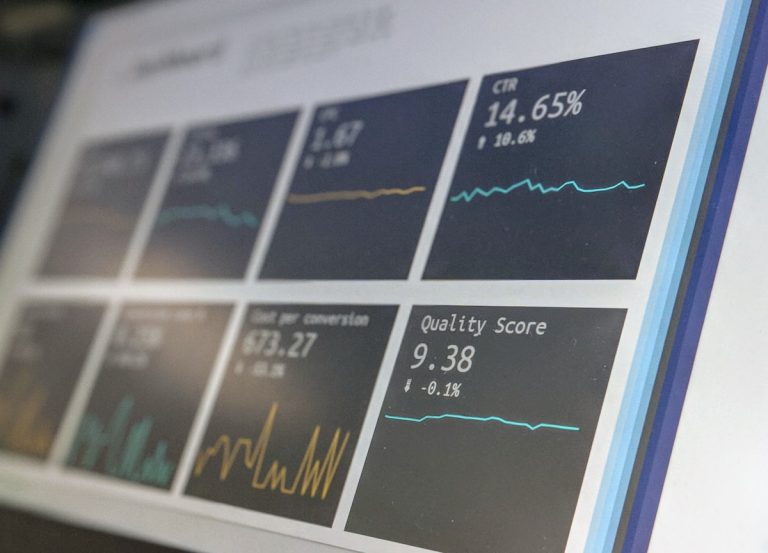
Managing a modern digital marketing stack can quickly turn into a total nightmare. You log into one tool for keyword research, jump to another for social scheduling, open a third for email, and spend half your week trying to decipher ad analytics. When you rely on fragmented software, your data gets trapped in silos and your budget leaks out. Setting up automated PPC tracking across every channel is often the only way to figure out which ads actually make money and which ones swallow your cash.
As we head toward 2026, the old approach of stringing together seven different platforms just does not cut it anymore. Small teams and growing businesses need speed, clarity, and deep integration. Instead of spending hours pulling manual reports, smart marketers are turning to unified platforms that handle optimization in real time. In this review, we will break down the top tools shaping the landscape, compare traditional point solutions, and explain why a unified platform like AI CMO sits at the front of the pack.
The Landscape of Marketing Software: Point Solutions vs Unified Platforms
For years, digital marketing software developed in niche silos. If you needed search engine optimization, you bought a dedicated SEO suite. If you wanted to run paid ad campaigns, you bought a pay-per-click monitor. If you wanted to manage customer relationships, you picked up a specialized CRM platform.
While specialized platforms do certain tasks well, they leave a massive gap in execution. They give you numbers, graphs, and warnings, but they leave the hard work entirely on your shoulders.
Here is how the landscape breaks down today across key marketing activities:
1. Search Engine Optimization (SEO) and Keyword Analysis
Tools like SEMrush, Ahrefs, and Moz excel at pulling backlink profiles and keyword volume data. They show you where you rank today and what your competitors are doing. However, they are fundamentally diagnostic tools. They do not write optimized content for you, nor do they automatically adjust your technical setup when search algorithms change.
If you want to move beyond manual keyword updates, deploying Automate Your SEO with AI allows your website to continuously adapt to live search trends without forcing you to write every article by hand.
2. Marketing CRM and Pipeline Automation
Platforms such as HubSpot provide excellent lead tracking and pipeline management for B2B sales teams. They store customer histories, schedule meetings, and send automated email nurture sequences. But when it comes to hands-on execution across search engines and generative AI search platforms, traditional CRMs fall flat. They organize data well, but they do not actively drive traffic to your front door.
3. Campaign Tracking and Data Intelligence
Ad platforms rely heavily on precise data. Single-purpose tracking software like SpyFu gives you insight into competitor keywords and ad spend. Yet, tracking data is only useful if you can act on it instantly. If your tracking tool spots a failing ad set at midnight, it usually sits on that insight until you log in the next morning to manually pause the campaign.
The Shift from Manual Execution to Continuous AI Optimisation

Why are businesses moving away from single-purpose tools? The answer comes down to operational bandwidth and cost. Hiring an in-house team to run five distinct software platforms costs a fortune. Hiring an agency often results in slow communication, hidden fees, and quarterly strategies that are outdated before they even launch.
Modern digital growth demands continuous iteration. When you pair real-time performance data with an automated execution engine, your entire strategy changes.
The Problem with Fragmented Tool Stacks
- Data Disconnects: Your email software does not talk to your paid search tool, leading to duplicate messaging and confused leads.
- Escalating SaaS Costs: Subscriptions for individual tools quickly tally up to thousands of pounds every month.
- Analysis Paralysis: Spending hours looking at dashboards leaves zero time for high-level strategy and business operations.
- Delayed Decision Making: Manual reporting means you react to market shifts days or weeks after they happen.
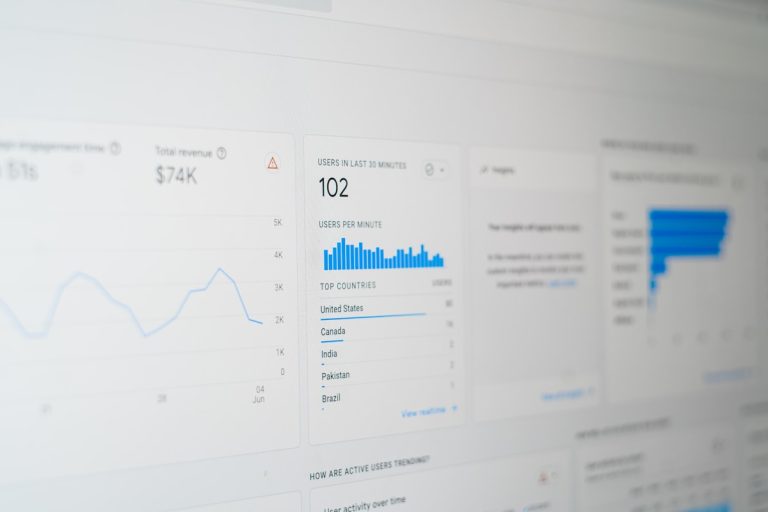
By integrating your workflows through a platform with built-in automated PPC tracking, you eliminate the manual guesswork. You get an immediate view of customer acquisition costs, organic traffic trends, and conversion metrics in a single interface.
Comparing the Contenders: How AI CMO Stands Out
To understand why AI CMO leads the pack for 2026, let us compare how traditional industry standards stack up against a fully automated, AI-driven alternative.
| Feature / Capability | Traditional SEO Tools (e.g., SEMrush, Ahrefs) | Standard Marketing Automation (e.g., HubSpot) | AI CMO Platform |
|---|---|---|---|
| Primary Focus | Research, backlink analysis, rankings | Lead scoring, CRM, email workflows | Complete multi-channel marketing automation |
| Execution Style | Manual (provides recommendations only) | Semi-automated (requires manual setups) | Fully automated 24/7 continuous optimization |
| Generative Engine Optimization (GEO) | Limited or none | None | Native optimization for AI search engines |
| Ad Tracking & Attribution | Requires third-party tools | Basic built-in reports | Integrated real-time tracking |
| Cost & Overhead | High monthly subscription per seat | Expensive tiered pricing as contacts grow | Single cost-effective, scalable platform |
Why GEO Targeting is the Next Frontier
Standard SEO focuses on traditional search engine results pages. But consumer habits are shifting rapidly toward conversational search interfaces and AI engines. If your brand does not show up in generative answers, you miss out on ready-to-buy customers.
AI CMO targets both traditional search engines and AI search environments. By leveraging Master GEO Targeting with AI, businesses ensure their brand remains visible wherever potential clients search for solutions, local services, or product recommendations.
Key Advantages of Switching to AI CMO

Choosing software is ultimately about business outcomes. You want higher revenue, lower acquisition costs, and fewer operational headaches. Here is how AI CMO delivers those outcomes:
1. Total Agency Replacement
Expensive digital agencies charge hefty monthly retainers just to maintain basic campaigns. AI CMO handles operational tasks 24/7, providing a hands-on solution that executes strategies, updates content, and monitors performance automatically.
2. Custom Data-Driven Content Strategies
Instead of publishing generic blog posts that sit on page five of search results, the platform analyzes your audience’s exact intent. It designs targeted content calendars that address user queries, helping you build trust and capture traffic swiftly.
3. Scalable Multi-Channel Growth
Whether you are managing local organic search or enterprise-level ad campaigns, the system adapts as your business scales. You do not need to hire extra staff or purchase additional software tiers just to expand into new markets or regions across the UK and Europe.
To keep your digital presence expanding without the usual overheads, you can Start Your SEO Autopilot today and watch your online authority build naturally.
Actionable Steps to Optimise Your Digital Marketing Strategy for 2026
Ready to modernize your marketing ecosystem? Here is a practical framework to clean up your stack and start seeing measurable results within weeks:
- Audit Your Current Software Subscriptions: List every tool you pay for. Identify overlap, unused seats, and platforms that only offer passive analytics.
- Consolidate Data Streams: Bring your paid search monitoring, organic tracking, and lead generation analytics into a centralized platform.
- Automate Routine Execution: Transition manual weekly tasks, such as content creation, rank checking, and basic reporting, over to automated AI systems.
- Expand into GEO: Ensure your brand is indexed and optimized for AI discovery tools, not just standard search boxes. Try using Boost Local Search Rankings to lock down your regional presence early.
- Focus on High-Level Strategy: Let automated systems handle tactical execution while your team focuses on brand positioning, product development, and customer satisfaction.
Conclusion: Take Control of Your Digital Growth
The digital landscape in 2026 will not reward companies that hoard fragmented tools or spend endless hours manually moving data between spreadsheets. Victory belongs to lean, fast-moving teams that use intelligent automation to drive real business growth.
By replacing single-purpose platforms with a unified solution, you eliminate wasted budget, improve target precision, and gain continuous 24/7 optimization across all your marketing channels.
Ready to leave agency fees and bloated tool stacks behind? Discover how AI CMO: Unified AI Marketing Automation for Digital Growth can transform your marketing performance, boost your brand visibility, and deliver scalable results starting today.