Beyond Mobile PPC Apps: The Evolution of Automated PPC Tracking
Checking pay-per-click metrics on your mobile phone feels convenient at first. You open an iOS app, adjust a bid while grabbing a coffee, or pause an underperforming ad set on the train. However, simply checking numbers on a small screen does not build a scalable business. Modern digital growth requires seamless connection across every channel. Relying strictly on basic mobile campaign dashboards keeps you trapped in operational tasks rather than focusing on high-level strategy. When you want complete control without spending hours staring at phone screens, adopting automated PPC tracking with AI CMO offers a unified alternative that connects pay-per-click data directly to organic search visibility and revenue goals.
This breakdown compares traditional mobile PPC software with unified AI-driven platforms. While popular iOS tools let you make manual tweaks on the go, they leave massive gaps in your wider marketing strategy. You still have to jump between analytics tools, manage local search engine visibility separately, and spend thousands of pounds on agencies or fragmented point solutions. By centralising your operations with an intelligent marketing platform, small businesses and marketing teams can automate routine optimization, lower operational expenses, and drive consistent cross-channel results 24/7.
Mobile PPC Software vs Unified AI Platforms: A Direct Comparison
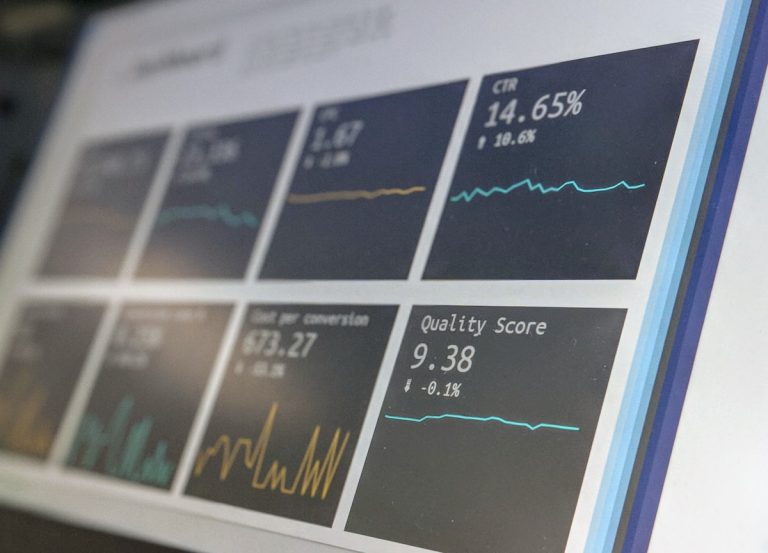
Mobile PPC apps are built for quick checks and minor edits. They are reactive. If an ad campaign performance drops, the app alerts you, and you must manually adjust the budget or change settings.
Here is where the traditional approach falls short:
* Fragmented Insights: A mobile PPC tool only shows paid ad data. It ignores your organic search rankings, content strategy, and local search visibility.
* Manual Execution: Pausing an ad or tweaking a target keyword on your iPhone still requires human effort and decision-making every single day.
* Agency Dependence: Most point solutions provide data, not execution. You still end up paying expensive agencies to write ad copy, structure campaigns, and manage organic search engine optimization.
In contrast, an integrated AI platform takes over the execution. Instead of pinging your phone with alerts so you can fix problems manually, an intelligent engine analyses search patterns, adjusts strategies, and creates optimized content continuously.

By linking paid media data with organic performance, you eliminate the need to switch between half a dozen subscriptions. If you want to stop guessing and start scaling, you can Automate Your SEO with AI alongside your paid campaigns to capture traffic from every angle.
Why Legacy Tool Stacks Cost You Time and Money
Many growing businesses end up with a messy tech stack. They use one tool for keyword research (like SEMrush or Ahrefs), another for email marketing, an iOS app for ad tracking, and a social media manager for posts.
What happens when you stack these tools together?
- Escalating Costs: Paying monthly subscription fees for four or five separate software platforms easily adds up to hundreds of pounds every month.
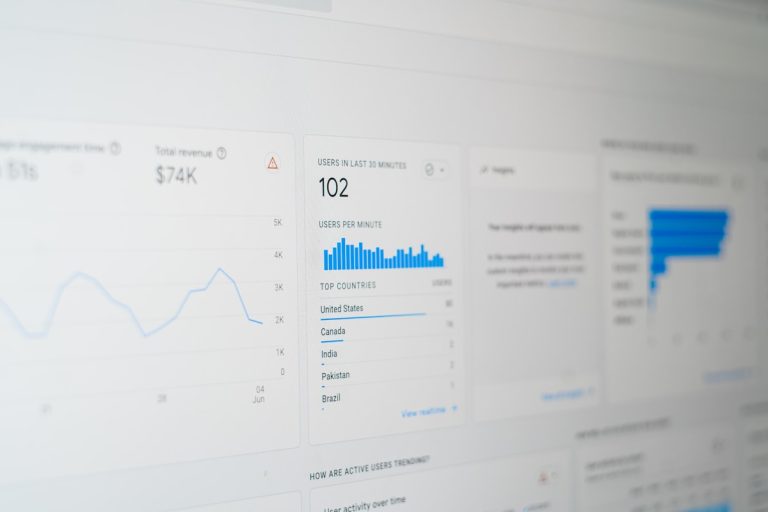
- Siloed Data: Your paid search team does not see what your SEO team is doing. You end up bidding on terms that you already rank for organically, wasting ad spend.
- Operational Overhead: Your team spends more time managing software dashboards and pulling reports than actually growing the business.
When you switch to a unified platform like AI CMO, those silos disappear. The platform operates as your digital chief marketing officer, running continuous background tasks across multi-channel campaigns. You can Boost Local Search Rankings without buying dedicated local tracking tools, ensuring your business stays visible in generative engine optimization (GEO) and traditional search results simultaneously.
How AI CMO Outperforms Standard Mobile PPC Tools
Standard mobile PPC software helps you monitor campaigns, but monitoring is only half the battle. AI CMO goes several steps further by executing routine actions automatically.
Here is how a unified platform changes your daily workflow:
1. Hands-Free Optimization Across Organic and Paid Search
Instead of manually tweaking keywords on a mobile screen, the platform automatically aligns your paid strategies with organic search opportunities. It creates data-driven strategies that capture high-intent traffic without burning through your daily budget. You can easily test this approach and Boost Your Search Rankings Now with continuous AI execution.
2. Generative Engine Optimization (GEO) and Local Targeting
Search is changing fast. Customers no longer rely solely on basic search engine pages; they ask AI assistants and smart engines for hyper-local recommendations. Standard PPC tools miss this entirely. A unified system optimizes your digital footprint for GEO targeting, ensuring AI engines cite your brand when potential customers ask for local recommendations. To strengthen your local footprint, Enhance Your Local Visibility across modern search interfaces.

3. Real-Time Tracking Without Screen Addiction
You do not need to refresh your iPhone ad app every hour. AI CMO monitors performance 24/7 in the background, identifying trends, flagging anomalies, and optimizing messaging automatically. If you want a setup where your tracking works for you rather than forcing you to work for it, AI CMO: Unified AI Marketing Automation for Digital Growth delivers real-time clarity across all your channels.
Practical Steps to Transition from Point Tools to AI Autopilot
Making the switch from fragmented tools to an all-in-one AI platform is simpler than you think. You do not need to burn down your existing setup overnight. Instead, follow a pragmatic step-by-step approach:
Step 1: Audit Your Current Software Subscriptions
List every tool you currently pay for, including mobile ad tracking apps, rank trackers, and content generators. Calculate the total monthly cost and the hours your team spends logging into each one.
Step 2: Consolidate Paid and Organic Data
Stop viewing paid ads and organic content as separate disciplines. Combine your target keyword lists so your organic content supports your paid ad landing pages.
Step 3: Set Up Continuous Performance Rules
Transition from reactive manual adjustments to automated workflows. Let artificial intelligence handle routine campaign tracking, local positioning, and content generation. You can Start Your SEO Autopilot to keep your search presence active while you focus on sales and product development.
Step 4: Track Business Metrics, Not Just Clicks
Focus on metrics that impact your bottom line, such as cost per acquisition, organic search visibility, and customer lifetime value. A unified platform consolidates these data points into clear, actionable summaries so you always know your exact return on investment.

Final Verdict: Why It Is Time to Upgrade Your Marketing Tech Stack
Mobile PPC management apps served a purpose when marketers simply needed to check ad status away from their desks. But today’s digital market demands much more than basic notifications. Managing isolated tools on your phone leaves money on the table and wastes valuable hours.
By stepping up to an integrated solution, you replace expensive agency contracts and fragmented tools with a single, intelligent engine. You gain continuous SEO and GEO optimization, data-driven messaging, and hands-free execution that scales alongside your business.
Ready to see what automated digital growth looks like for your business? Take the next step and Master GEO Targeting with AI or discover how AI CMO: Unified AI Marketing Automation for Digital Growth transforms your entire digital presence today.