Why Manual PPC Reporting Is Draining Your Budget and How Automated Tracking Changes Everything
Managing paid search and social campaigns across Google Ads, Meta, Microsoft Advertising, and LinkedIn can quickly turn into a chaotic juggling act. Marketers spend hours pulling reports, checking cost-per-click spikes, and trying to figure out which ad copy actually drove revenue. When you rely on fragmented tools or manual spreadsheets, your operational costs rise while your campaign effectiveness drops. Implementing a modern system for automated PPC tracking solves this headache by capturing real-time metrics across channels without forcing you to waste hours aggregating data. By letting machine intelligence handle tracking intricacies, your team can finally move away from reactive spreadsheet management and focus on proactive revenue growth through AI CMO: Unified AI Marketing Automation for Digital Growth.
The true value of tracking lies in turning raw numbers into strategic decisions. Traditional tracking software often tells you what happened yesterday, but it leaves you guessing about what to do tomorrow. With privacy regulations like GDPR expanding, third-party cookies disappearing, and ad costs rising by 15-20% across competitive European industries, passive reporting is no longer enough. You need an engine that connects surface metrics like impressions directly to deeper outcomes like Customer Lifetime Value (CLTV) and real Return on Ad Spend (ROAS). This guide walks you through building a scalable tracking framework and reveals how moving from legacy reporting dashboards to a unified platform gives your business full marketing independence.
The Hidden Failure of Legacy PPC Reporting Tools
Most digital marketing agencies and small businesses rely on traditional PPC reporting tools like Swydo, Supermetrics, or manual Looker Studio dashboards. While these legacy tools help you pull data from multiple ad accounts into a clean visual chart, they suffer from a major structural flaw: they are completely passive.
The Limits of Visual Dashboards
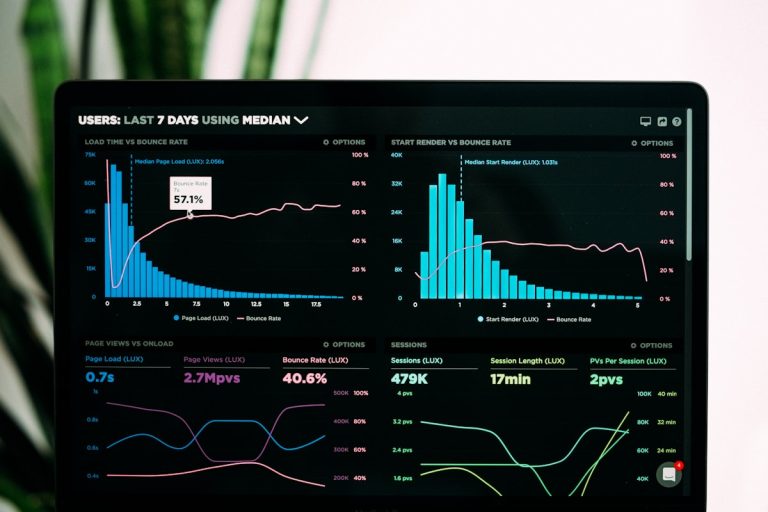
A traditional reporting dashboard shows you that your Cost Per Click (CPC) increased on Google Ads or that your Click-Through Rate (CTR) dropped on Meta. But then what?
- Manual Intervention Required: You still have to log into each ad account, diagnose the issue, write new copy, adjust keyword bids, and test new landing pages.
- Siloed Channel Insights: Legacy reporting platforms view PPC in isolation. They do not cross-reference paid keyword performance with your organic search rankings or your local search visibility.
- Escalating Software Costs: Subscribing to separate tools for PPC reporting, keyword rank tracking, and social analytics rapidly inflates your monthly tech stack costs.
This is where traditional workflows fall short. Reporting on bad performance does not fix bad performance. To scale effectively, businesses need a platform that connects analytics directly to strategic execution.
Key Metrics to Build a Scalable Tracking System
Before setting up automated systems, you must establish clear baseline metrics. If you try to track every single data point, you end up drowning in noise. Focus on metrics that directly correlate with bottom-line profit.

1. E-Commerce Metrics
For online retailers, surface-level clicks mean nothing without revenue context:
* Return on Ad Spend (ROAS): Total revenue generated divided by ad spend.
* Average Order Value (AOV): Revenue divided by the total number of orders.
* First-Party Customer Acquisition Cost (CAC): The total cost to acquire a new customer using verified first-party pixel data.
2. B2B and Lead Generation Metrics
For service providers and SaaS platforms, tracking ends at qualified pipeline value:
* Cost Per Qualified Lead (CPQL): Filtering out spam leads to calculate the true cost of genuine prospects.
* Lead-to-Customer Conversion Rate: How many paid leads actually turn into paying clients.
* Customer Lifetime Value (CLTV): Projecting long-term contract value to justify higher initial ad bids.
3. Search and Positioning Metrics
High bids cannot make up for poor quality setups:
* Quality Score: Google’s rating of your ad relevance, landing page experience, and expected CTR.
* Search Impression Share: The percentage of impressions your ads receive compared to the total volume you were eligible to reach.
When you align automated PPC tracking with organic search performance, you can instantly identify high-performing paid keywords and turn them into long-term search plays. You can easily start targeting these high-intent topics organically when you Automate Your SEO with AI.
Step-by-Step Framework for Multi-Platform PPC Tracking
Setting up unified tracking across multiple advertising networks requires precision. A single broken pixel or misconfigured tag can corrupt your entire analytics pipeline.
Step 1: Implement First-Party Consent and Tags
With strict privacy laws like GDPR in the UK and Europe, relying on third-party cookies is a recipe for broken tracking.
* Google Ads: Install the Global Site Tag (gtag.js) via Google Tag Manager. Set up primary conversion actions for form submissions and purchases.
* Meta (Facebook & Instagram): Implement the Meta Pixel alongside the Conversions API (CAPI) for reliable server-side tracking.
* Microsoft Advertising: Deploy Universal Event Tracking (UET) tags to capture Bing search conversions.
* LinkedIn Ads: Install the LinkedIn Insight Tag to capture professional demographic data and B2B conversions.
Step 2: Unify Cross-Channel Attribution
Customers rarely convert on their very first interaction. They might discover your brand through a LinkedIn ad, click a Google Search ad two days later, and finally buy after seeing a retargeting ad on Instagram.
Using last-click attribution credits only the final ad, blinding you to the channels that build initial interest. Moving to data-driven or position-based attribution ensures every channel receives appropriate credit based on its actual impact on the buyer journey.
Halfway through building your strategy, it becomes obvious that monitoring data is only half the battle. To turn insights into action without paying exorbitant agency fees, you can leverage AI CMO: Unified AI Marketing Automation for Digital Growth to keep your multi-channel strategy running 24/7.
Overcoming Common PPC Tracking Pitfalls
Even seasoned marketing teams run into data discrepancies. Here are the most frequent tracking errors and how to resolve them:
Fixing Duplicate Conversions
If a customer refreshes their order confirmation page, a basic pixel fires twice, artificially doubling your reported revenue. Configuring client-side deduplication using unique transaction IDs prevents inflated ROAS numbers.
Closing the Local and Multi-Location Gap
If your business targets specific geographic regions, standard PPC reporting often fails to reveal how local ads perform compared to regional organic search visibility. Integrating location-specific data allows you to focus spend where buyer intent is highest. You can easily optimize your multi-region presence when you Master GEO Targeting with AI.
Moving Beyond Simple Reporting: The AI CMO Advantage
Legacy tools like Swydo stop at reporting. They give you charts, but you still have to do all the heavy lifting. AI CMO completely reimagines this workflow by unifying tracking, strategy, and execution into one intuitive system designed specifically for small businesses, startups, and agile marketing teams.

Why AI CMO Outperforms Traditional Marketing Tools
- Complete Agency Independence: Eliminate expensive monthly retainers and fragmented tool subscriptions. AI CMO handles routine tasks automatically.
- Unified SEO, GEO, and Multi-Channel Insights: Instead of viewing paid ads in a vacuum, AI CMO analyses how your paid campaigns support your organic search (SEO) and Generative Engine Optimisation (GEO) strategies.
- Continuous 24/7 Execution: While traditional dashboards wait for you to review them on Monday morning, AI CMO continuously analyses performance data, adjusting content strategies and campaign direction in real time.
- Data-Driven Content Strategies: Automatically identify converting PPC keyword trends and immediately repurpose those insights into targeted, high-ranking content.
When you bridge the gap between tracking and automated execution, you save operational costs while driving faster, measurable business growth.
Practical Checklist for Automated PPC Tracking Success
Use this quick audit checklist to ensure your tracking setup is accurate and ready for AI automation:
- [ ] Verify Tag Implementation: Confirm all ad network tags are firing correctly using browser extension helpers.
- [ ] Audit Conversion Actions: Ensure macro-conversions (sales, phone calls) are separated from micro-conversions (newsletter signups).
- [ ] Check Privacy Compliance: Update cookie consent banners to support explicit opt-in preferences for UK and European users.
- [ ] Set Up UTM Standards: Create a shared UTM builder template for all team members to maintain tracking consistency.
- [ ] Connect Paid Insights to Organic Strategy: Identify winning PPC keywords and feed them directly into your SEO pipeline.
- [ ] Automate Performance Alerts: Set up real-time notifications for sudden CPC increases or conversion drops.
The Future of PPC: Intelligent, Unified, and Independent
Relying on manual spreadsheets or surface-level reporting tools is a strategy of the past. As digital ad markets become more competitive, staying ahead requires continuous optimization, strict privacy compliance, and multi-channel integration.
By automating your PPC tracking, you remove human error and gain total visibility into what drives your real business ROI. But more importantly, by connecting those insights to a unified automation platform, you gain complete marketing independence. Stop paying agency retainers just to read static PDF reports. Take full control of your paid campaigns, local visibility, and search rankings today with AI CMO: Unified AI Marketing Automation for Digital Growth.
Frequently Asked Questions
What is automated PPC tracking?
Automated PPC tracking is the practice of using software tags, APIs, and AI integrations to continuously collect, aggregate, and analyze performance metrics across ad platforms like Google Ads, Meta, and Microsoft Advertising without manual data entry.
How does privacy legislation like GDPR impact PPC tracking?
GDPR requires explicit user consent before firing tracking cookies. Marketers must implement first-party data collection strategies, server-side tracking (such as Meta CAPI), and strict consent management frameworks to maintain accurate data legally.
Why should I choose AI CMO over traditional reporting tools like Swydo?
Legacy tools like Swydo only create reports and require you to manually fix campaign performance. AI CMO combines tracking with hands-on AI execution across SEO, GEO, and multi-channel marketing, eliminating the need for agencies and fragmented tools.
How many conversions do I need before automated tracking provides reliable insights?
While basic tracking records data instantly, machine learning attribution models generally require at least 30 to 50 conversion events per month per campaign to establish reliable optimization patterns.