The Shift in Digital Ads: Why Automated PPC Tracking Is Your Secret Weapon
Managing digital ad spend in 2026 feels like juggling live grenades while riding a unicycle. Ad costs are rising, audience privacy settings keep changing, and manual campaign management drains your energy. If you are still updating spreadsheets, adjusting bids manually, or logging into five different ad networks every morning, you are leaving profit on the table. Modern marketing success demands instant clarity, continuous optimisation, and smart automation across every platform you touch.
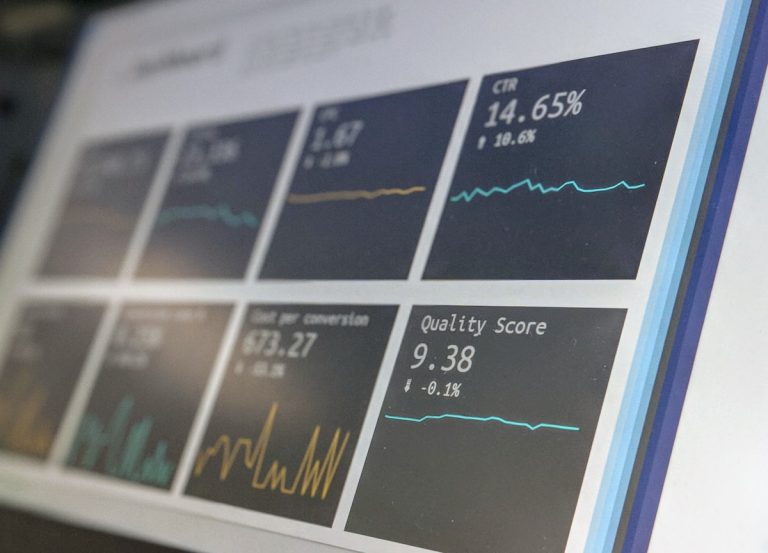
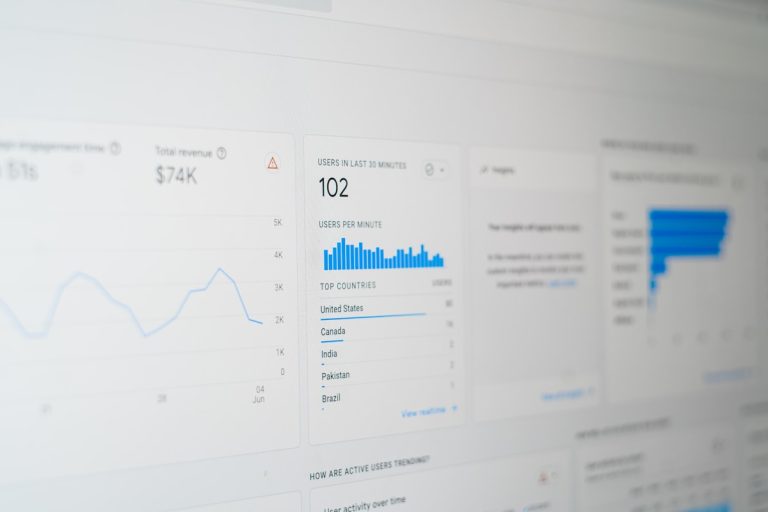
To scale without blowing up your budget, you need real-time data that actually drives decisions. Modern tools promise the earth, but most simply throw raw charts at you without explaining what to do next. By switching to automated PPC tracking, modern teams can eliminate wasteful ad spend, spot high-converting keywords instantly, and execute campaigns with unmatched efficiency.
The Paid Marketing Tool Landscape: Comparing the Heavyweights
To understand why the digital advertising ecosystem is shifting, we need to look at the traditional tools performance marketers rely on today. Each solves a specific problem, but most require heavy human management to deliver real value.
1. SEMrush
SEMrush remains a heavyweight for keyword research and competitive intelligence. It bridges search engine data with pay-per-click insights, allowing marketers to spot what search terms competitors bid on.
* Pros: Deep search database, solid competitor analysis.
* Cons: Expensive, overly complex dashboard, lacks direct execution and multi-channel marketing task execution.
2. Kaya’s Competitor Ad Intelligence (COIN)
COIN gives advertisers visibility into competitor spending across social and search networks. It uncovers ad copy formats and budget estimations.
* Pros: Great for spying on competitor creatives across channels.
* Cons: Primarily focused on intelligence rather than executing complete ad campaigns.
3. Optmyzr
Optmyzr automates bidding strategies and budget monitoring for Google and Microsoft Ads.
* Pros: Eliminates manual bidding chores for search campaigns.
* Cons: Restricted mostly to search networks, missing broader social and organic discovery strategies.
4. Madgicx
Madgicx leverages artificial intelligence to predict Meta ad performance and reallocate ad budgets toward top-performing creatives.
* Pros: Strong predictive analytics for Facebook and Instagram.
* Cons: Locked into the Meta ecosystem, offering little help for cross-channel search strategies.
5. ClickCease
ClickCease protects pay-per-click budgets by detecting invalid bot clicks and blocking fraudulent traffic in real time.
* Pros: Saves up to 20% of ad spend by cutting out click fraud.
* Cons: A point-solution that only handles security without helping create or optimise actual campaigns.
The Hidden Cost of Fragmented Marketing Tools
Look at that stack. To run a modern campaign properly, you might end up paying for a keyword tool, a competitive intelligence platform, a bidding automation service, a social ad optimizer, and a click fraud shield.
Before you know it, you are spending thousands of pounds each month just on subscription fees. Even worse, your team spends half their day copying data between platforms instead of focusing on big picture strategy.
This fragmented setup creates massive operational friction:
* Data Disconnect: Insights in your social ad tracker do not communicate with your search campaigns.
* High Overhead: Monthly SaaS fees stack up fast, eating into actual ad budgets.
* Manual Bottlenecks: Marketers spend time interpreting graphs instead of launching winning campaigns.
When you want to automate your SEO with AI alongside your paid search strategy, using five separate tools simply does not work. You end up with siloed data, delayed decisions, and burnt-out marketers.
Enter AI CMO: The Unified AI Solution for Maximum ROI
Why stitch together half a dozen fragmented tools when you can use a unified marketing brain? AI CMO was built to solve the agency and tool clutter problem. Designed specifically for small to medium businesses, startups, and lean marketing teams, it turns complex marketing management into a hands-on, streamlined operation.

Instead of just showing you historical charts, AI CMO brings search engine optimisation, generative engine visibility, and paid tracking together in one interface. It operates 24/7 to analyse performance, auto-adjust messaging, and point your marketing budget toward high-yield channels.
If you are ready to cut agency retainers and eliminate redundant tools, explore how AI CMO delivers unified AI marketing automation to transform your growth engine today.
What Makes AI CMO Different?
- Unified Multi-Channel Operations: Ditch the endless browser tabs. Manage organic discovery, local search, and paid search performance from a single interface.
- Real-Time Performance Tracking: AI CMO does not just collect metrics; it continuously analyses keyword intent and conversion signals to protect your margins.
- Generative Engine Optimisation (GEO): Modern search is no longer just about Google link lists. AI CMO ensures your brand gets recommended directly inside AI-driven answer engines.
- Data-Driven Content Strategies: Automatically build tailored messaging that targets your exact audience segments, saving hours of content production time.
Combining Search, GEO, and Paid Ads for Total Dominance
Relying solely on pay-per-click ads is risky. When ad costs jump, your margins shrink. The smartest growth teams run paid ad strategies alongside aggressive organic search and generative discovery.
When a potential buyer searches for a solution in your industry, they should see your brand everywhere:
* At the top of paid search results via targeted ad copy.
* At the top of organic listings through optimized content.
* Inside AI chat responses when users ask for top recommendations.
When you master GEO targeting with AI, you capture hyper-local search intent while your paid campaigns handle immediate transactional traffic. This dual strategy lowers customer acquisition costs significantly over time.
Comparison: Traditional Stack vs. AI CMO
| Feature | Traditional Marketing Tool Stack | AI CMO Platform |
|---|---|---|
| Tool Footprint | 4 to 7 separate subscriptions | Single unified platform |
| Setup Complexity | High (Requires API connections & manual exports) | Low (Simplified, user-friendly interface) |
| Search Coverage | Basic SEO or PPC isolated features | Complete SEO, GEO, and Multi-Channel Tracking |
| Execution | Manual analysis required by staff | Hands-on AI automation operating 24/7 |
| Cost Efficiency | Expensive software stacks + agency retainers | Affordable, predictable software investment |
Action Plan: Upgrading Your Tech Stack for 2026
If you want to maximize ad performance without adding headcount, follow this step-by-step migration blueprint:
- Audit Your Tool Subscriptions: List every single marketing tool you pay for. Identify point-solutions that only handle basic tasks like manual keyword tracking or single-network ad reporting.
- Identify Data Gaps: Are your paid search keywords informing your organic content strategy? If not, your channels are operating in isolated silos.
- Consolidate with Unified AI: Transition your campaign management to AI CMO. Let the AI handle operational tasks while your core team focuses on high-level business strategy.
- Monitor and Refine: Use 24/7 performance tracking to monitor traffic gains, budget reallocation, and conversion improvements week over week.
Final Thoughts: Take Control of Your Paid Strategy Today
The digital advertising landscape is far too competitive to rely on guesswork or bloated software stacks. While tools like SEMrush, Optmyzr, and Madgicx offer useful niche features, they leave the burden of execution and integration on your shoulders.
AI CMO changes the game by giving you an intelligent, automated marketing hub that operates around the clock. By unifying organic search, generative engine visibility, and multi-channel campaign tracking, you eliminate agency dependency and maximize every pound spent on ads.
Ready to transform your digital strategy and unlock scalable growth? Boost your ad marketing performance with AI CMO today and start getting real, measurable results.