The Evolution of Automated PPC Tracking and Why Traditional Tools Fall Short
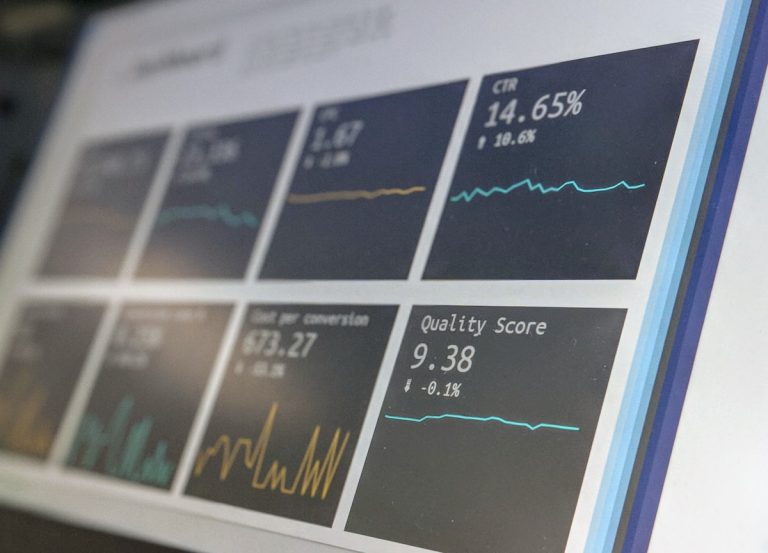
Managing digital ad spend in 2026 feels like juggling live grenades. If you run paid search campaigns, you already know the pain. You switch between five different dashboards every morning, guessing which platform actually drove sales. Traditional software promised to fix this headache, but it ended up creating a new problem: fragmented data silos. Real-time insights get lost when your ad tracking, search engine optimization, and reporting tools do not talk to each other. That is exactly why forward-thinking growth teams are stepping away from old-school platforms and embracing AI CMO: Unified AI Marketing Automation for Digital Growth, an all-in-one platform built to streamline automated PPC tracking alongside organic strategy.
The shift is simple to understand. Legacy PPC tools are reactive. They wait for you to log in, set rule-based scripts, and manually interpret campaign statistics. That approach wastes hours of valuable time every single week. Modern growth requires proactive automation that connects paid performance with broader digital visibility. By replacing disjointed tools with an intelligent, centralized operational hub, your marketing team can focus on high-level strategy while artificial intelligence handles bid changes, keyword analytics, and cross-channel tracking in the background.
The Hidden Failure of Fragmented Marketing Stacks
Why are legacy PPC management tools failing small and medium businesses today? It comes down to friction and cost.
For years, digital marketers relied on a complex web of software:
* Analytics platforms for paid search monitoring.
* Specialized software like SEMrush or Ahrefs for organic search research.
* Social media management suites for paid social ads.
* Independent reporting dashboards to piece everything together for executives.
This fragmented stack leads to massive operational overhead. You end up paying thousands of pounds every month across separate subscription bills. Even worse, the data rarely aligns. Your PPC dashboard claims twenty conversions, your attribution software counts twelve, and your bank account shows ten.
When your automated PPC tracking lives inside an isolated tool, you miss the bigger picture. You spend money on paid ads for keywords where you already rank organically at position one. You waste budget on location campaigns that ignore generative engine optimization (GEO). Traditional automation tools follow rigid rules, but they lack context. They cannot adjust your PPC campaigns based on organic search volatility or regional visibility trends in real time.
Combining SEO, GEO, and Automated PPC Tracking into One Engine
The modern web is not just about traditional search engine results pages anymore. Generative AI search engines and localized discovery channels dominate how buyers find solutions. If your marketing stack treats search engine optimization, generative engine optimization, and paid acquisition as separate channels, you are overspending.
To dominate your market without doubling your budget, you need a system that balances both paid and organic execution:
- Integrated Real-Time Insights: When paid performance data feeds directly into organic content strategy, you discover high-converting commercial intent keywords instantly.
- Local and Regional Precision: Combining location-based campaign management with local search intelligence ensures you target customers exactly where they buy. Master GEO Targeting with AI to capture regional demand before competitors even notice the shift.
- Continuous Organic Optimization: Paid ads provide immediate traffic, but organic search delivers long-term margin. If you want to scale organic visibility automatically alongside your ad campaigns, you can Automate Your SEO with AI to keep rankings climbing 24/7.
By housing these operations under a single roof, artificial intelligence automatically balances your media mix. If a keyword becomes too expensive on paid search, the platform shifts priority toward organic ranking strategies to capture that traffic without raising customer acquisition costs.
Why AI CMO Delivers Superior Results for Modern Teams
Legacy tools give you charts and expect you to do the heavy lifting. They present raw numbers, leave you to diagnose bid strategy errors, and charge extra for basic team seats.
AI CMO takes a completely different approach. It acts as an active digital marketing team member that executes, monitors, and optimizes across channels automatically.
Here is how modern AI execution transforms daily operations:
- Elimination of Agency Overhead: External agencies often charge hefty monthly retainer fees just to monitor dashboards and deliver monthly PDF reports. AI CMO gives you total transparency and hands-on operational execution without agency markups.
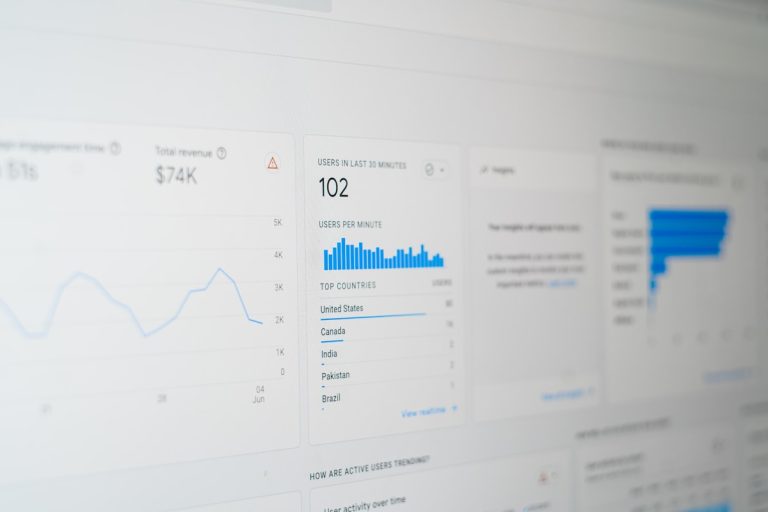
- Streamlined Daily Analytics: Instead of checking multiple ad accounts, you get real-time performance tracking in a single, user-friendly interface.
- Smart Budget Allocation: The system continuously evaluates keyword performance, reallocating ad spend toward high-converting traffic while cutting wasted spend on negative search terms.
- Data-Driven Messaging: The platform analyzes customer intent trends across search engine queries, ensuring your ad copy and content strategies align perfectly with buyer psychology.
Instead of spending ten hours a week fixing tracking tags and adjusting bids, marketers using simplified automated PPC tracking with AI CMO can spend that time developing overall strategy, launching new product offerings, and building customer relationships.
Comparing Traditional PPC Software vs AI CMO
To understand why this paradigm shift is happening so quickly across Europe and global markets, let us break down how legacy tools compare against a unified AI approach.
1. Operation Model
- Traditional Tools: Require manual rule setting, custom script writing, and routine maintenance. You must manually audit accounts to catch broken tracking or budget overspends.
- AI CMO: Operates 24/7 with continuous real-time tracking and automated cross-channel optimization. It executes operational tasks without requiring constant manual intervention.
2. Multi-Channel Strategy
- Traditional Tools: Focus narrowly on specific channels (for example, Google Ads or Microsoft Advertising only), ignoring organic search trends and local search intent.
- AI CMO: Unifies paid search, organic SEO, and GEO targeting. It ensures your paid spend complements your organic footprint rather than competing with it.
3. Cost Efficiency and Scalability
- Traditional Tools: Expensive pricing tiers based on ad spend volume or trackable keywords force operational costs to escalate as your business grows.
- AI CMO: Scalable solution designed for small to medium enterprises and startups. It cuts out bloated agency retainers and eliminates redundant software subscriptions.
If you are looking to boost local market dominance while scaling ad spend efficiently, you should Enhance Your Local Visibility using smart geographic targeting tools that sync with your overall marketing framework.
Unlocking Scalable Growth in 2026
The era of managing digital marketing through dozens of separate browser tabs is over. Small businesses and growth-focused marketing teams cannot afford the hidden costs, manual errors, and delayed reporting that come with legacy software.
By centralising your analytics, organic search growth, and automated PPC tracking into one unified platform, you build an agile growth engine that adapts to market changes instantly. You save thousands of pounds in agency fees, reclaim dozens of hours every week, and gain full control over your digital visibility.
Ready to simplify your tech stack, reduce operational overhead, and get measurable results across every channel? Take the next step today and Boost Your Search Rankings Now or explore how AI CMO: Unified AI Marketing Automation for Digital Growth can transform your business performance starting this week.