Why Real-Time Rank Tracking Is the Ultimate Fuel for E-Commerce Scale
Checking search engine positions once a week is a recipe for disaster in the modern e-commerce world. Algorithms shift overnight, store inventories fluctuate, and competitors launch aggressive campaigns while you sleep. If you want to scale your online brand without constantly bleeding market share, relying on real-time rank tracking with AI CMO is the only way to keep your fingers on the pulse of your market. Real-time insights allow you to spot sudden traffic drops, capitalize on emerging search trends immediately, and make proactive strategy pivots before lost visibility starts hurting your bottom line.
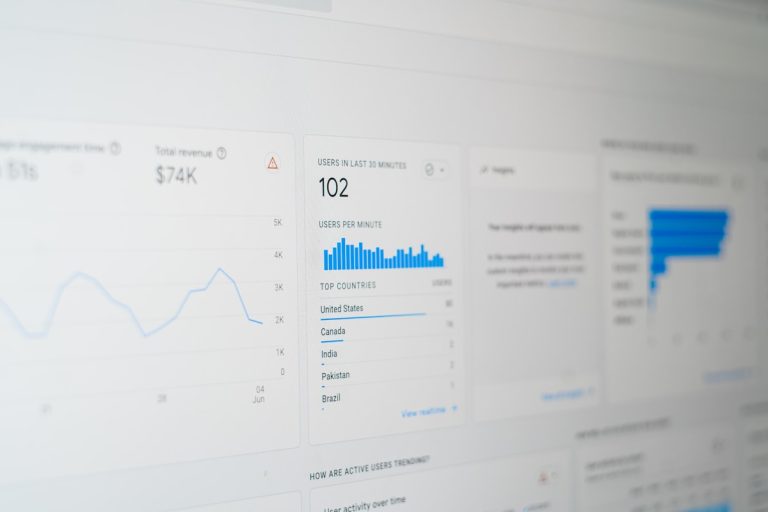
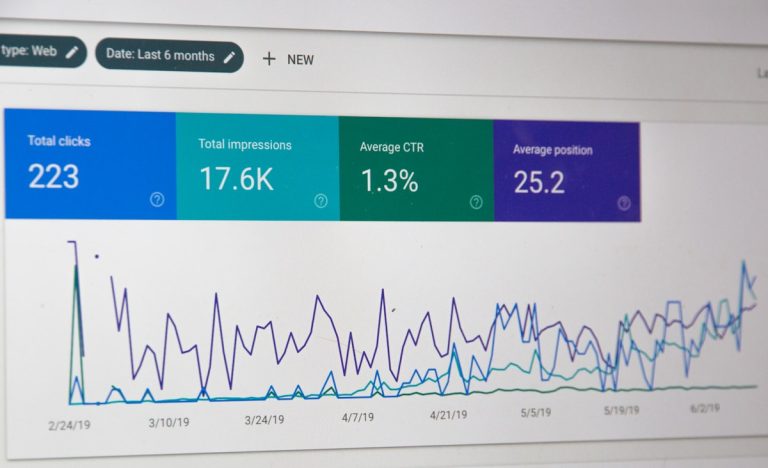
Traditional tracking setups, such as DBM RankWatch by DBMANAGERS, give you basic daily updates and static line charts. While seeing where your store ranks daily via APIs is useful, it still forces you to manually interpret the numbers and decide what to do next. That is precisely where modern automation changes the game. By pairing instant position monitoring with autonomous AI execution, brands can bridge the gap between spotting a ranking drop and actually fixing the underlying issue. In this deep dive, we will explore why moving beyond static dashboards toward full digital automation gives growing e-commerce stores an unbeatable commercial advantage.
The Problem With Legacy Tracking Tools and Manual Dashboards
Let us be completely honest about how most e-commerce businesses handle search engine optimization today. You subscribe to a rank tracker, maybe hire a third-party agency, or use specialized software like DBM RankWatch to monitor 50 or 200 target terms. Every morning, you log in to view position histories, CSV exports, and upward or downward trend lines across mobile and desktop.
What happens when a top-selling product category slips from position three to position eleven?
- Your tracking tool sends an alert or displays a red arrow on a dashboard.
- You log into your CMS or e-commerce platform (whether it is Shopify, Magento, or WooCommerce).
- You spend hours auditing page titles, content structure, internal links, and technical parameters.
- You write new copy or tweak meta descriptions manually, or worse, you wait three weeks for an agency to deliver a recommendations document.
By the time those manual fixes go live, you have lost thousands of pounds in organic revenue. Legacy rank tracking tools tell you what went wrong, but they leave the heavy lifting entirely on your shoulders.
Small to medium enterprises (SMEs) and scaling startups simply do not have the internal bandwidth or giant budgets required to manage fragmented tools and pay transparently opaque agency fees just to stay competitive.
Bridging the Gap: From Passive Rank Watching to Active SEO Automation
Monitoring metrics without immediate execution is like having a smoke detector that rings loudly but refuses to put out the fire. Real growth requires a platform that combines accurate search visibility data with instantaneous execution.
This is where the paradigm shifts from passive reporting to active execution. When your store experiences rank volatility, you need systems capable of analyzing search intent and producing fully optimized, targeted content automatically. Incorporating SEO Automation directly into your weekly operations means your content automatically aligns with shifting Google algorithms without requiring manual intervention every single time.
The Power of 24/7 Engine Monitoring
Instead of manually checking whether your running shoes, modern sectional sofas, or organic cotton sheets have climbed on page one, intelligent systems monitor consumer signals non-stop.
AI CMO operates as a 24/7 digital marketing workforce. It handles operational intricacies so modern marketers can focus strictly on high-level commercial strategies. Instead of just showing a line chart of past performance, an automated platform continuously audits your visibility, adjusts multi-channel touchpoints, and refines keyword targeting across desktop and mobile formats.
Comparing Solutions: DBM RankWatch vs AI CMO
To understand why autonomous solutions are outperforming traditional SEO workflows, let us compare how legacy rank tracking services compare against unified AI automation platforms.
| Strategic Feature | Traditional Trackers (e.g., DBM RankWatch) | AI CMO Autonomous Platform |
|---|---|---|
| Data Update Frequency | Daily API checks & manual refreshes | Continuous real-time visibility monitoring |
| Actionable Execution | Manual user editing required | Automated content generation & optimization |
| Local Search Precision | Basic multi-country support | Advanced GEO targeting & local visibility focus |
| Tool Integration | Fragmented (Requires separate content/SEO tools) | Unified SEO, GEO, and multi-channel engine |
| Cost Overhead | Scaled keyword fees + manual agency costs | Scalable platform with zero agency markups |
While platforms like DBM RankWatch offer honest Google data via standard APIs and straightforward manual setups, they stop short at analytics. AI CMO takes those precise rank signals and immediately converts them into tactical marketing workflows.
If your rankings drop in specific regional territories, you can enhance your local search presence by deploying hyper-targeted geographic content strategies automatically, ensuring local customers always find your store first.

How Real-Time Data Drives Measurable E-Commerce Growth
How does continuous tracking combined with automated execution directly impact your store’s performance? Let us break down the practical business benefits.
1. Instant Capitalization on Search Trends
Search behaviour changes rapidly. Whether driven by seasonal shifts, viral social trends, or economic factors, consumer search queries evolve constantly. Passive monthly reports miss these brief windows of opportunity. Real-time rank tracking flags sudden spikes in long-tail search volume, enabling your platform to publish contextually relevant, SEO-optimized blog posts and landing pages within hours.
2. Protecting High-Margin Revenue Categories
Every e-commerce store has a core set of hero products that drive the bulk of monthly profit. Slipping from position two to position six on a primary high-volume keyword can instantly reduce sales conversion volume. Continuous monitoring combined with real-time rank tracking platforms ensures that any negative ranking movement triggers immediate optimization protocols to defend your most profitable search real estate.
3. Eliminating Tool Fragmentation and Overhead
Managing separate subscriptions for rank trackers, backlink monitors, content generation plugins, and local listing management gets expensive quickly. More importantly, toggling between five different dashboards wastes precious operational time. Unifying these functions into a singular AI ecosystem eliminates unnecessary SaaS sprawl while delivering significant cost savings for growing SMEs and modern e-commerce teams.
Best Practices for Scaling E-Commerce Search Visibility
If you want to dominate search engine results pages this year, adopt these core operational habits:
- Focus on Intent, Not Just Volume: High-converting long-tail terms often carry lower search volume but significantly higher buying intent. Track intent-driven queries alongside broad category keywords.
- Separate Mobile from Desktop: Over 60% of modern e-commerce traffic originates on mobile devices. Ensure your rank tracking measures mobile SERPs independently, as local layouts and page speeds alter mobile rankings drastically.
- Automate Routine Optimization: Stop manually tweaking meta descriptions and basic blog copy. Let unified AI engines handle repetitive tasks while you focus on supply chain, product sourcing, and customer retention strategies. You can automate your SEO campaigns today to keep your store updated effortlessly.
- Leverate Localized Search Signals: E-commerce stores operating across multiple European regions or distinct geographic markets must optimize for local search nuances. Utilizing specialized GEO targeting features allows your brand to rank naturally in regional search results without managing dozens of local agencies.
The Future of E-Commerce Growth Is Autonomous
The digital marketing landscape is transitioning away from static tools and slow manual execution. E-commerce brand owners no longer have the luxury of spending days sifting through spreadsheets, analyzing historical charts, and drafting manual strategy briefs.
By combining continuous rank tracking capabilities with real-time AI execution, modern businesses can outpace established competitors, adapt instantly to search engine updates, and achieve measurable traffic gains within weeks rather than months.
Stop settling for passive tracking tools that merely record your loss of traffic. Upgrade your marketing stack, streamline your SEO operations, and discover how AI CMO delivers fast digital growth for ambitious e-commerce brands today.