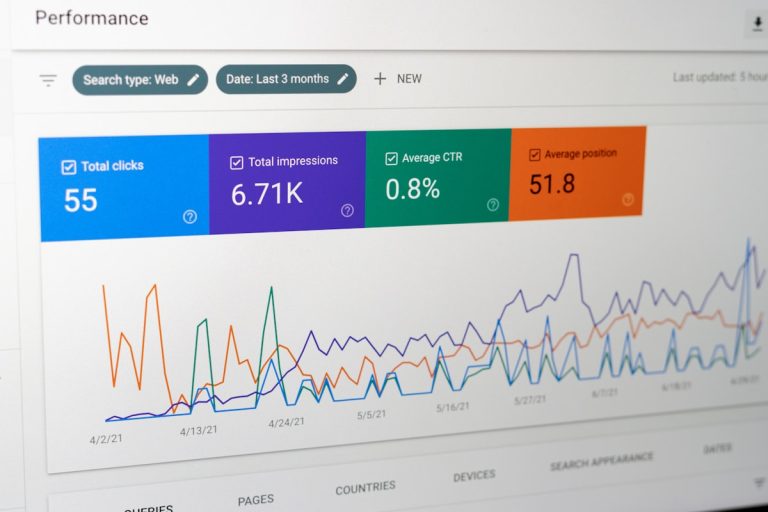
Unlocking Channel Potential with Scalable Marketing Automation
Partner marketing automation is the modern playbook for businesses looking to expand through indirect channels, resellers, and affiliate networks. Instead of managing dozens of local partners manually, partner marketing platforms provide centralised systems to share assets, distribute leads, and co-brand campaigns. However, traditional systems often stop at basic content distribution. To achieve real business growth, modern organisations require scalable marketing automation that seamlessly bridges multi-channel campaigns with intelligent, autonomous execution across every touchpoint.
When you combine partner channel management with artificial intelligence, you eliminate the friction that usually slows down regional growth. Traditional setups require hours of admin, constant back-and-forth emails, and expensive agency retainers. By deploying an autonomous marketing tool, small and medium enterprises (SMEs) and growing tech firms can run 24/7 continuous search engine optimisation (SEO) and generative engine optimisation (GEO) across all markets. This approach keeps brand messaging completely aligned while delivering rapid, measurable traffic boosts.
What is Partner Marketing Automation?
At its core, Partner Marketing Automation (PMA) is software built to simplify co-marketing efforts between a primary brand and its third-party channel partners. Think of resellers, regional distributors, dealers, or affiliate brokers.
Instead of forcing your internal team to design individual graphics, rewrite copy, and set up landing pages for every regional partner, a PMA platform centralises these assets. Partners log in, download approved templates, add their local logo, and launch regional campaigns.
Core Features of PMA Software
- Co-Branded Marketing Assets: Templates for social posts, email campaigns, and landing pages that allow partners to add local details while preserving core brand guidelines.
- Marketing Development Funds (MDF) Management: Automated tracking of financial allocations, co-op budget approvals, and ROI reporting.
- Lead Routing and Distribution: Automatically assigning incoming web leads to the appropriate regional channel partner based on location or target industry.
- Asset Repositories: A single, secure location for brand assets, product datasheets, and sales enablement materials.
While these core capabilities solve basic logistical headaches, they often leave a massive gap when it comes to driving actual organic web traffic and search visibility. That is where next-generation tools enter the equation.
The Hidden Roadblocks in Traditional Channel Marketing
Why do so many co-marketing initiatives stall out after launch?
It usually comes down to adoption and technical expertise. Channel partners are busy running their own day-to-day operations. They are rarely expert digital marketers. If you hand them a folder full of PDFs and static social graphics, those assets tend to gather digital dust.
Here are the primary friction points modern companies face:
- High Overhead and Agency Dependence: Hiring external marketing agencies to create localized content for every partner drains capital quickly.
- Fragmented Tool Stacks: Managing one platform for email, another for social media, and a third for website analytics creates operational confusion.
- Inconsistent Local Search Presence: Partners often lack the technical know-how to rank locally, meaning search engine visibility remains poor across regional territories.
- Delayed Feedback Loops: Waiting months to see if a channel campaign generated actual pipeline kills momentum.
To bypass these hurdles, forward-thinking brands are turning away from passive asset libraries. Instead, they are implementing SEO Automation alongside partner software to handle optimization autonomously.
How AI CMO Transforms Scalable Marketing Automation
The modern digital landscape demands a shift from passive software to proactive intelligence. Enter AI CMO, a platform designed to solve the structural limits of traditional agency models and fragmented software stacks.
Instead of paying massive monthly retainers to agencies or drowning in complicated settings, AI CMO acts as an autonomous digital marketing manager. It handles complex, repetitive growth tasks behind the scenes so your team can focus on high-level strategy.

Combining Multi-Channel Automation with SEO and GEO
Ranking in search results today requires more than inserting standard keywords into a blog post. With the rapid rise of AI search engines and local search algorithms, brands must optimise for both SEO (Search Engine Optimisation) and GEO (Generative Engine Optimisation).
By applying scalable marketing automation across channel operations, AI CMO constantly monitors, updates, and creates hyper-targeted digital strategies tailored to your exact business goals.
Here is how the platform elevates your marketing capabilities:
- Continuous 24/7 Optimisation: Search engines never sleep, and neither does your marketing engine. AI CMO works around the clock to audit, adapt, and refine your organic reach.
- Real-Time Performance Analytics: Instead of waiting for quarterly reports, you gain instant insight into keyword movements, brand visibility metrics, and engagement stats.
- Unified Execution: Replaces half a dozen single-use plugins with one cohesive dashboard built for immediate execution.
- Cost-Effective Scalability: Expands with your business growth without demanding extra headcount or ballooning operational costs.
Bridging the Gap: Local Visibility and GEO Targeting
If you manage partners across different territories, geographic relevance is everything. A prospective client searching for solutions in London expects a completely different narrative than one searching in Munich or Manchester.
Generative Engine Optimisation (GEO) ensures your brand appears naturally inside AI-driven answer engines and localized search queries. When your partner network utilizes tools designed for GEO Visibility, localized organic reach expands organically without requiring custom manual campaigns for every zip code or postal sector.
Why Local GEO Matters for Channel Networks
- AI Search Inclusion: Generative search engines summarize responses based on entity authority and regional context. GEO optimization places your brand inside those generative responses.
- Dominating Local Search: Local clients want local answers. Automating GEO execution keeps regional landing pages accurate, fresh, and highly relevant.
- Co-Marketing Alignment: Ensures regional partner messaging matches corporate search positioning seamlessly, preserving brand equity everywhere.
Comparing Alternatives: Specialized AI vs. Legacy Toolsets
How does an AI-driven, unified platform match up against traditional enterprise solutions? Let us break down the core differences.
| Feature / Solution | Traditional PMA Software | Conventional Marketing Agencies | Unified AI CMO Platform |
|---|---|---|---|
| Primary Focus | Template & fund distribution | Strategy & manual execution | Autonomous 24/7 execution |
| SEO & GEO Optimisation | Non-existent or basic | High cost, manual audits | Continuous, fully automated |
| Time to Results | Months (partner dependent) | Slow turnaround times | Rapid visibility boosts in weeks |
| Operational Overhead | Requires partner training | High monthly retainers | Minimal hands-on management |
| Platform Integration | Often siloed | Fragmented tools used | All-in-one unified interface |
Legacy platforms like HubSpot, SEMrush, or Marketo offer valuable data points or inbound tools, but they rely heavily on human bandwidth to configure, execute, and monitor every campaign step. AI CMO switches the paradigm: the system does the heavy lifting, allowing you to Automate Your SEO with AI without extra operational strain.
Key Benefits of Autonomous Marketing Operations
Why are modern startups, tech companies, and SMEs leaving traditional manual approaches behind? The answer comes down to resource efficiency and speed.
1. Significant Cost Reduction
Traditional digital marketing requires a multi-layered team: SEO strategists, content writers, analytics experts, and channel managers. Alternatively, hiring an external agency means committing to rigid retainers with zero guaranteed revenue outcome.
An automated AI platform removes those cost barriers entirely. It runs sophisticated, data-driven campaigns at a fraction of traditional operational expenditures.
2. Rapid Visibility Boosts
Digital markets move quickly. Waiting six weeks for a content agency to draft four blog posts leaves you behind the competition. Autonomous AI execution lets you pivot instantly, publishing highly targeted, search-optimised content strategies that yield traffic gains in a matter of weeks.
To accelerate your search trajectory, explore how you can Boost Your Search Rankings Now using automated workflows.
3. Reduced Cognitive Load on Strategy Teams
Marketers spend up to 70% of their working hours on administrative friction: formatting documents, reviewing basic metrics, or pulling performance reports. By offloading operational routine to intelligent systems, team members can direct their energy toward product development, high-tier partnership sales, and business expansion.
Actionable Steps to Implement Channel Automation
Ready to streamline your channel operations and multi-channel marketing stack? Follow this practical roadmap to get started.
Step 1: Audit Your Current Asset Ecosystem
Take inventory of your marketing collateral. Identify which assets your regional partners or internal teams actually use. Eliminate outdated brochures, redundant templates, and unaligned messaging.
Step 2: Establish Direct Search Objectives
Define clear performance indicators. Are you trying to dominate specific regional organic keywords? Are you aiming to capture AI answer snippets? Setting precise goals ensures your platform targets the right user queries from day one.
Step 3: Implement Automated SEO and GEO Pipelines
Deploy continuous automation tools across your web properties. Using targeted options like Master GEO Targeting with AI allows your digital footprint to adapt automatically based on geography, user search intent, and platform updates.
Step 4: Monitor, Measure, and Iterate
Track performance in real time using intuitive dashboards. Review organic keyword movements, domain authority metrics, and audience engagement levels. Use these real-time insights to fine-tune high-level strategic objectives while the AI system manages tactical execution.

The Future of Growth: Autonomous Multi-Channel Strategy
Marketing operations are undergoing a massive evolution. The era of managing channel partners through static email blasts, clunky shared folders, and manual SEO setups is closing.
As digital channels become more competitive, the advantage lies with businesses that operate faster, smarter, and with less friction. Combining partner enablement principles with unified, automated AI marketing creates a compounding growth flywheel. You maintain tight control over brand messaging, elevate regional search presence, and deliver consistent digital ROI without expanding headcount.
By putting modern intelligence at the centre of your growth strategy, you can turn complex channel operations into a streamlined, high-performing revenue driver. Discover how AI CMO: Unified AI Marketing Automation for Digital Growth empowers your business to master search algorithms, simplify daily workflows, and scale channel operations effortlessly.