Why Modern Growth Demands Scalable Marketing Automation
Managing modern digital growth without a unified strategy quickly becomes a chaotic nightmare. Small to medium businesses and fast-growing startups often struggle with fragmented tools, expensive agencies, and inconsistent content execution across multiple channels. When your team spends dozens of hours switching between analytics dashboards, SEO tracking software, and email platforms, your strategy breaks down and your growth stalls. Adopting scalable marketing automation allows your business to streamline complex workflows, continuously optimise search visibility, and engage your target audience without multiplying your operational overhead.
The shift towards artificial intelligence in digital growth is no longer optional for brands that wish to remain competitive in European and global markets. Instead of relying on manual campaign setups and static monthly reports, modern growth teams deploy automated platforms that operate around the clock. In this guide, we will explore how combining search engine optimisation, generative engine optimisation (GEO), and multi-channel messaging under an intelligent ecosystem helps you achieve rapid, measurable results while keeping costs under complete control.
The Chaos of Fragmented Tools and Agency Costs
If you have ever tried running a multi-channel growth strategy manually, you know the drill. You sign up for one tool to track keywords, another to monitor backlinks, a third to manage social posts, and a fourth to run email sequences. Before you know it, your software stack costs thousands of pounds every month, and nobody on your team has the time to connect the data properly.
Traditional marketing agencies often promise to solve this problem, but they come with their own drawbacks. They are usually expensive, slow to adapt to real-time market shifts, and frequently hide behind complex reports that mask a lack of actual progress. When your brand needs fast visibility in both traditional search engines and emerging AI-driven search answer engines, traditional monthly retainers simply do not deliver the agility you require.
When your software stack is split into disconnected pieces, your messaging loses consistency. A campaign launched on social media might not align with your latest blog content or local search profiles. This fragmentation frustrates prospective customers, wastes budget, and burns out internal teams who are forced to perform repetitive operational tasks rather than focusing on high-level strategic growth.
What Makes Marketing Automation Truly Scalable?
True scalability is not just about sending more emails or publishing more blog posts. It is about building an infrastructure that expands your reach smoothly as your business grows, without demanding an equal increase in effort, headcount, or financial investment.

To achieve genuine operational scale across your channels, your platform must handle four critical pillars:
- Continuous Search Optimisation: Automating keyword analysis, content creation, and technical audits on a 24/7 basis. You can automate your SEO with AI to keep your search presence active without manual daily updates.
- Generative Engine Optimisation (GEO): Structuring your online assets so that conversational AI search engines (like ChatGPT, Perplexity, and Google Gemini) reference your brand as a primary source.
- Unified Multi-Channel Execution: Synchronising your search strategy, local business presence, and content distribution across platforms seamlessly.
- Real-Time Data Integration: Using real-time performance analytics to refine ongoing messaging instantly rather than waiting for end-of-month reviews.
When these elements work together, your growth flywheel turns automatically. You attract organic search traffic, establish domain authority, and capture local intent simultaneously.
Comparing Platforms: Traditional Stack vs. Unified AI CMO
Many growth teams wonder how a unified AI system compares to established tools like SEMrush, Moz, HubSpot, or Mailchimp. While traditional platforms provide valuable data points or single-channel management, they often require constant human intervention to interpret data and execute tasks.
| Feature / Capability | Traditional Tool Stack (HubSpot, SEMrush, Mailchimp) | AI CMO Unified Automation |
|---|---|---|
| Primary Focus | Analytics, reporting, or single-channel execution | End-to-end multi-channel strategy and execution |
| SEO & Keywords | Manual research, manual tracking, manual writing | Continuous 24/7 automated optimisation |
| GEO Visibility | Limited or non-existent AI search targeting | Built-in Generative Engine Optimisation |
| Operational Overhead | Requires dedicated specialists to operate each tool | Autonomous execution with simple strategy controls |
| Cost Structure | Multiple expensive subscriptions and retainers | Single unified, cost-effective platform |
While analytics tools show you what happened in the past, an integrated platform acts on those insights immediately. For instance, if local search queries spike in a specific region, you can boost local search rankings by deploying location-aware content automatically without manually rewriting every landing page.
Step-by-Step: Setting Up Your Multi-Channel AI Engine
Transitioning from manual execution to an automated multi-channel system is far easier than most teams expect. You do not need a team of developers or weeks of onboarding sessions to get started.

Step 1: Connect Your Core Brand Assets
Begin by connecting your primary digital channels to the system. This includes your website domain, existing content repositories, and analytics profiles. The artificial intelligence analyses your brand identity, existing offers, and audience profile to establish a baseline strategy tailored specifically to your market.
Step 2: Define Strategic Intent and Target Audience
Rather than micromanaging individual keywords, you set high-level strategic objectives. You define your core product offerings, target buyer personas, and geographic target markets. If you are operating across European markets, the platform configures local terminology, currency formats, and regional preferences automatically.
Step 3: Activate Continuous SEO Autopilot
With your preferences configured, you can turn on automated content generation and technical updates. To ensure your business consistently captures relevant search volume, you can start your SEO autopilot to produce data-backed, highly optimized articles tailored directly to your products and customer queries.
Using our unified system, modern marketers implement scalable marketing automation to coordinate content updates across blog channels, social media snippets, and regional landing pages simultaneously.
Step 4: Optimise for GEO and Local Discovery
Search behaviour is changing rapidly. Prospective buyers no longer rely solely on standard Google links; they ask conversational AI engines for immediate recommendations. By structuring your brand information into clear, entity-rich schema and authoritative articles, you ensure that both search engines and AI assistants rank your brand as a trusted authority. To lock in regional dominance, you can enhance your local visibility with geo-targeted campaign flows.
Real-World Impact: What Scale Looks Like in Practice
When you eliminate operational friction, the speed at which your business grows increases dramatically. Startups and mid-sized enterprises using automated AI growth engines routinely see significant increases in search traffic and brand visibility within a matter of weeks.
Consider a mid-sized B2B SaaS business that previously struggled to maintain a consistent publishing schedule. Their small team spent hours researching keywords, writing drafts, and manually posting across platforms. After switching to an integrated AI marketing setup, they moved from publishing twice a month to publishing high-quality, fully optimized articles multiple times a week.
Because the system constantly monitors real-time ranking data and adjusts messaging dynamically, their organic traffic tripled over three months. More importantly, the internal team reclaimed over 20 hours per week, allowing them to focus on closing sales deals and refining product development rather than writing routine copy.
Best Practices for Maintaining Quality and Relevance
Automation is a powerful force multiplier, but it works best when combined with smart strategic oversight. To get the maximum ROI from your automated ecosystem, keep these practical tips in mind:
- Focus on High-Level Strategy: Let the AI handle keyword research, semantic formatting, and distribution, while you focus on brand positioning, pricing, and product offers.
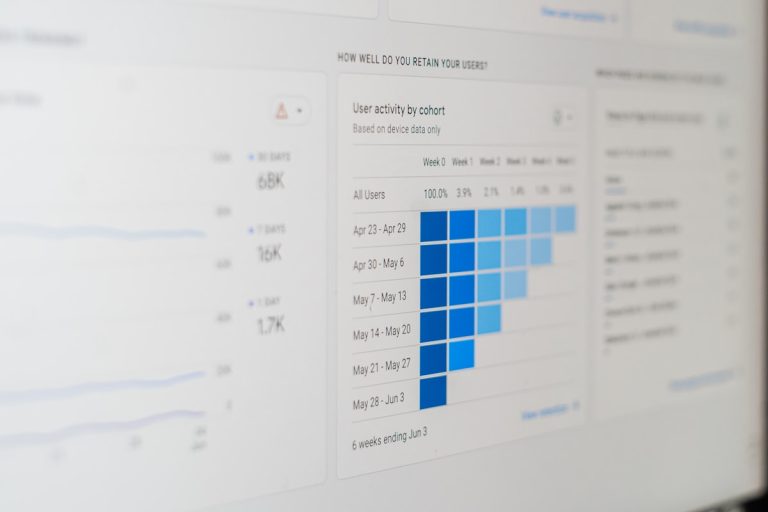
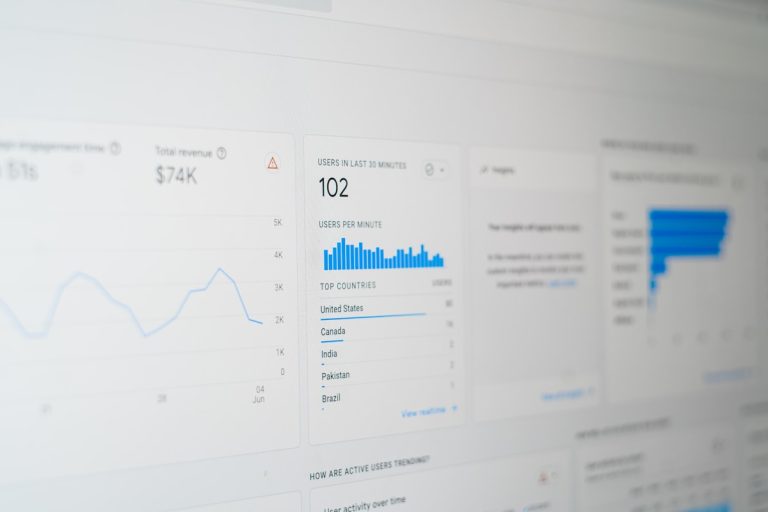
- Review Performance Analytics Regularly: Use real-time dashboards to spot emerging trends, popular content themes, and sudden shifts in search traffic.
- Keep Your Product Information Updated: Feed your platform updated details whenever you launch new features, services, or promotional offers so the generated content remains accurate.
- Leverage Multi-Channel Synergy: Ensure your blog, social channels, and search assets reinforce the same strategic messages simultaneously.
By treating artificial intelligence as a hands-on strategic partner rather than just a simple tool, you build an efficient, scalable, and future-proof marketing engine.
Take Control of Your Digital Growth Today
The era of paying bloated agency retainers and wrestling with broken software stacks is over. By unifying your SEO, GEO targeting, and multi-channel content workflows into a single platform, you give your business the exact tools it needs to dominate search results and acquire customers efficiently.
Whether you are looking to capture organic search traffic, establish regional dominance, or streamline daily operations, AI CMO: Unified AI Marketing Automation for Digital Growth provides the complete ecosystem required to transform your strategy into measurable, sustainable business expansion.