Why Master SEO Performance Tracking in the Age of AI?
Checking your search engine rankings used to be simple. You wrote a blog post, picked a target keyword, and checked Google a month later. Today, search engines change algorithms daily. Generative AI engines reshape how users find information. Relying on outdated manual spreadsheets or checking rank trackers once a month will leave your business behind. Real SEO growth requires real-time monitoring, clear metrics, and immediate tactical adjustments. If you want to scale your business predictably, mastering SEO performance tracking with AI CMO is the most crucial skill you can build this year.
This guide breaks down everything you need to know about measuring organic growth step by step. We will cover essential key performance indicators (KPIs), explain how traditional tools like Google Search Console and GA4 fit into your workflow, and reveal how automated platforms change the game. Instead of drowning in endless data points, you will learn how to focus strictly on metrics that drive revenue. By shifting from slow manual reporting to continuous AI-driven monitoring, you can fix drop-offs instantly and keep your content sitting comfortably at the top of search results.
The Core Fundamentals of Tracking Organic Search Growth
Tracking organic performance boils down to answering three basic questions:
1. Are people finding your website in search results?
2. Are they clicking through to read your content?
3. Do those visitors take meaningful action once they land on your site?
If you cannot answer these three questions with complete confidence, your marketing team is essentially operating in the dark.
Most traditional guides suggest waiting three to six months before even looking at your analytics. While it is true that search engine crawlers take time to index and re-evaluate pages, waiting half a year to catch structural errors or weak keywords is a waste of capital. You need live feedback loops.
Key Performance Indicators (KPIs) You Must Monitor
When setting up your tracking dashboard, ignore vanity metrics like total raw traffic or non-converting search queries. Focus strictly on these fundamental KPIs:
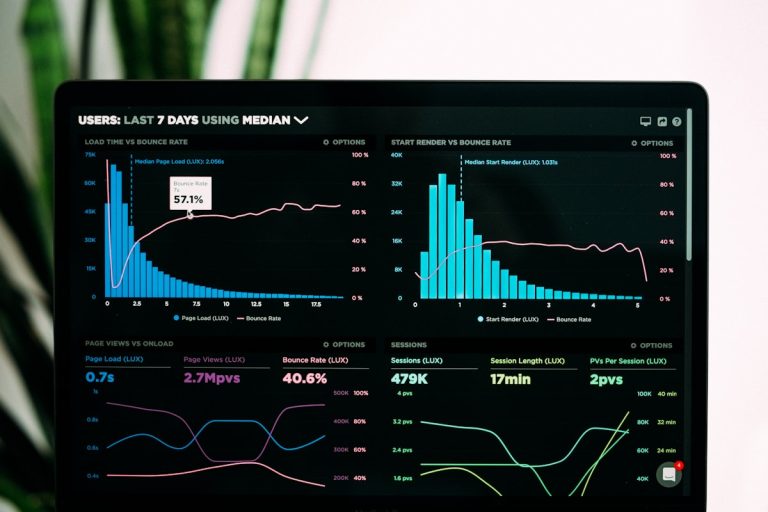
- Click-Through Rate (CTR): The percentage of users who click your link after seeing it in search results. A low CTR on a high-ranking page usually indicates a boring meta title or poor search intent alignment.
- Organic Impressions: The total number of times your site appeared in search results. A sudden spike in impressions without clicks is an early sign that your page is gaining authority for fresh search terms.
- Average Position: Where your pages rank on Google for specific keywords. Keep in mind that search results are personalized, so looking at average search positions offers a far clearer picture than spot-checking from your home computer.
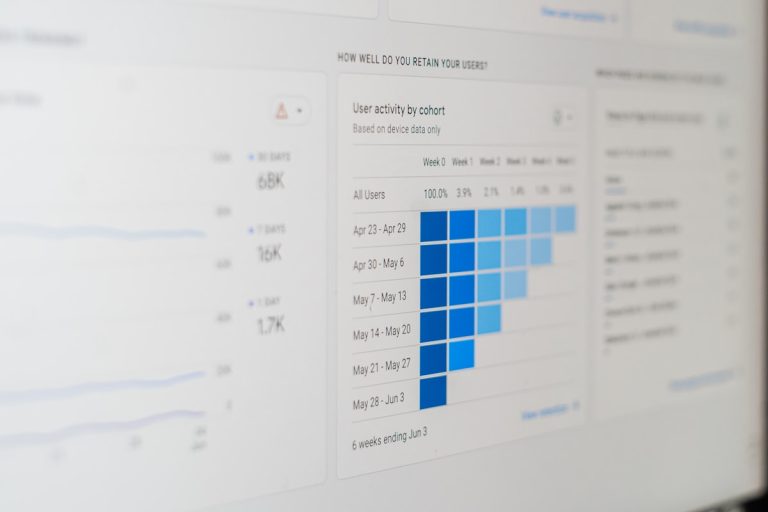
- Engagement Rate & Session Duration: In Google Analytics 4 (GA4), bounce rates have taken a back seat to engagement rates. This metric tracks whether users stayed on your page for at least 10 seconds, viewed multiple pages, or triggered a conversion event.
- Conversion Rate from Organic Channels: The ultimate measure of success. Traffic without conversions is just a vanity project.
Understanding these metrics is step one. The real challenge comes when you attempt to connect these numbers across fragmented tools without wasting hours every single week.
Traditional SEO Tracking: Google Search Console vs Google Analytics 4
To measure search visibility manually, most modern digital marketers rely on two free tools provided by Google: Google Search Console (GSC) and Google Analytics 4 (GA4).
1. Google Search Console (GSC)
Google Search Console is your direct line to Google’s indexing system. It measures what happens before a user reaches your website.
To check performance in GSC:
1. Log into your verified property.
2. Navigate to the Performance tab and select Search Results.
3. Set your date range (comparing the last 28 days to the previous period is ideal for spotting trends).
4. Review total clicks, total impressions, average CTR, and average position.
Scroll down to inspect specific queries. If a keyword shows thousands of impressions but very few clicks, your meta title needs an immediate update.
2. Google Analytics 4 (GA4)
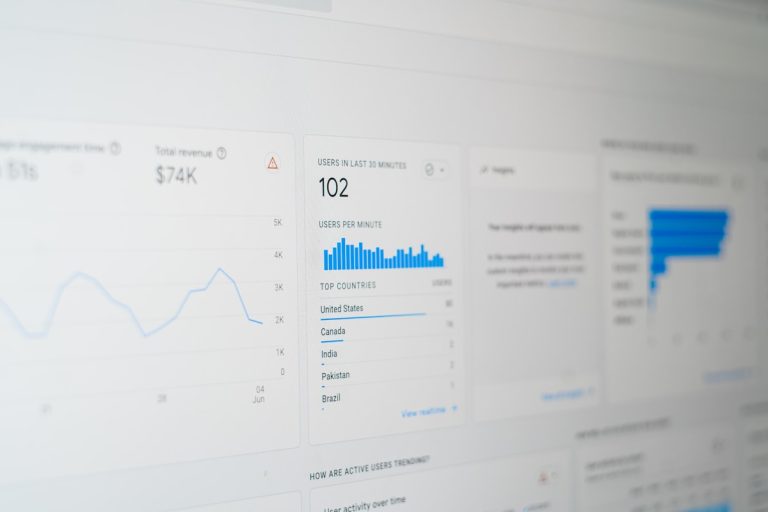
Where GSC tracks search engine visibility, GA4 tracks user behaviour after the click.
To evaluate content in GA4:
1. Open your property and navigate to Reports > Engagement > Pages and screens.
2. Examine landing pages specifically by switching the primary dimension to Landing page.
3. Look closely at Engagement Rate, Average Engagement Time, and Event Count.
If users leave your landing page within three seconds, your content fails to satisfy their initial search query, no matter how optimized your keywords are.
While both tools are valuable, manually pulling reports from separate tabs, cross-referencing keywords, and building custom client dashboards takes dozens of manual hours. This fragmented process is precisely why modern marketing teams are adopting intelligent SEO Automation platforms to execute continuous, real-time auditing without human intervention.
The AI Shift: How Autonomous Engines Upgrade Search Analytics
Traditional search tools tell you what happened in the past. Autonomous AI engines tell you what is happening right now and what to do next.

Small and medium-sized enterprises often struggle because agency retainers are prohibitively expensive, while managing isolated SaaS subscriptions quickly becomes overwhelming. An integrated AI solution fixes this disconnect by uniting content production, local optimisation, and analytics under a single interface.
Real-Time Monitoring vs Monthly Manual Audits
Imagine losing 30% of your organic search traffic due to a broken canonical tag or a sudden shift in search intent. If you check your analytics once a month, you lose four full weeks of revenue before even noticing the issue.
Autonomous AI systems monitor your web properties 24/7. When a page drops in ranking or CTR slips below baseline levels, automated workflows diagnose the problem instantly. The system can immediately refresh the metadata, update internal linking structures, or optimize copy to match search intent automatically.
Integrating GEO and AI Search Optimization
Traditional search engine optimization is no longer the only game in town. Generative Engine Optimization (GEO) tracks how often your brand is cited inside AI search assistants like ChatGPT, Claude, and Google Gemini.
Measuring local and generative visibility requires tracking brand presence across multiple platforms simultaneously. If you operate locally or across regional markets, you can boost local search rankings and GEO visibility using automated tools that continuously update location-based context across your content ecosystem.
Midway through your strategy, keeping an eye on unified platform performance ensures you spend less time sifting through raw spreadsheets and more time scaling your core operations. By switching to a unified marketing dashboard, you can streamline your SEO performance tracking instantly.
Step-by-Step Execution: Building Your Automated Tracking Workflow
To build an efficient monitoring engine that works on autopilot, follow this straightforward four-step blueprint:
Step 1: Establish Clean Benchmarks
Before automating anything, ensure your baseline data is accurate:
* Verify that GA4 internal traffic filters are active so your team’s visits do not skew engagement data.
* Ensure your XML sitemap is properly submitted in Google Search Console without crawl errors.
* Identify your top 20 revenue-generating landing pages. These represent your core organic assets.
Step 2: Deploy Continuous SEO Automation
Instead of spending hours assembling manual weekly spreadsheets, connect your site directly to an automated marketing engine. Using dedicated SEO Automation tools allows software to handle repetitive tasks like rank tracking, technical site audits, and internal link updates while you focus on high-level growth strategy.
Step 3: Monitor Local Intent and Generative Citation
If your business serves specific geographic regions, standard global rank trackers will obscure your real performance. Local rankings fluctuate significantly based on user location. Automated GEO algorithms continuously check local search packs and generative AI answers to ensure your brand maintains top visibility across every targeted region.
Step 4: Automate Optimization and Content Adjustments
Data without action is useless. When your automated tracking flags a page with declining impressions, use AI to update content dynamically:
* Add targeted subheadings answering new user questions.
* Refresh outdated statistics with current data points.
* Optimize meta titles to boost declining click-through rates.
This proactive approach prevents traffic decay and maintains top positions indefinitely.
Comparing Modern SEO Platforms: What Business Leaders Need
Choosing the right marketing software stack is critical for maintaining high ROI. Here is how modern AI-driven platforms compare to traditional toolsets:
| Feature / Capability | Legacy Toolsets (SEMrush, Ahrefs, Moz) | Traditional Marketing Agencies | AI CMO Autonomous Platform |
|---|---|---|---|
| Execution Style | Analytics only; manual execution required | Slow manual execution; high monthly fees | Hands-on automated execution & tracking |
| Data Update Frequency | Daily or weekly updates | Monthly reporting calls | 24/7 continuous real-time tracking |
| GEO & AI Search Support | Limited or non-existent | Basic manual implementation | Built-in GEO & AI answer engine tracking |
| Operational Overhead | Requires trained in-house specialists | High financial overhead ($3k-$10k/mo) | Scalable software automation at a fraction of the cost |
By replacing fragmented, analytics-only software with an all-in-one execution platform, small businesses eliminate unnecessary retainers while improving accuracy and execution speed.
Taking Control of Your Digital Growth
Understanding how your pages perform in organic search should not feel like solving a complex puzzle every month. By establishing clear benchmarks, tracking conversion-focused metrics, and adopting autonomous AI tools, you turn digital marketing from a stressful guessing game into a predictable revenue generator.
Stop spending hours juggling disconnected dashboards and chasing vanity metrics. Take full control of your search rankings, protect your brand visibility, and scale your organic reach effortlessly. You can master your SEO performance tracking today and let smart automation drive your search strategy forward.