Why Scrappy Tool Stacks Are Holding Back Your Growth
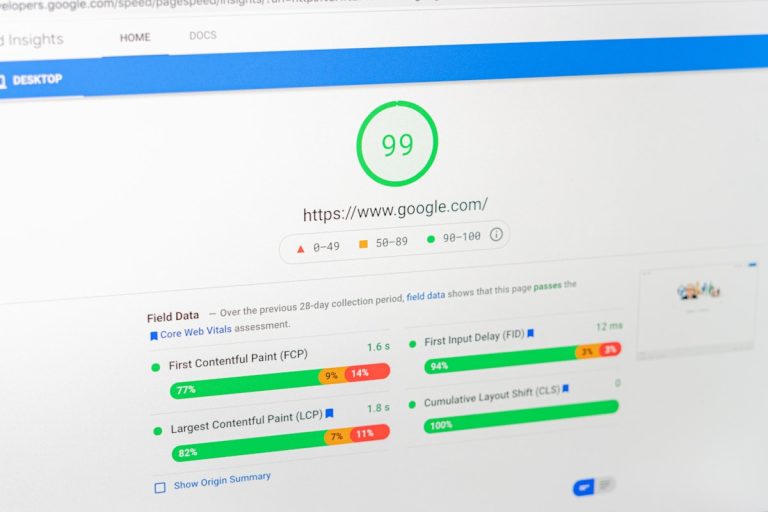
Managing digital visibility in 2025 using a patchy collection of free utilities is exhausting. You start your week logging into Google Search Console to inspect indexing glitches, jump over to Google Analytics 4 to figure out why your session duration dropped, open PageSpeed Insights to check Core Web Vitals, and run a desktop crawler like Screaming Frog to catch broken internal links. By midday, you have fifteen browser tabs open, three conflicting data points, and zero published pieces of content. This manual approach to SEO performance tracking burns through precious operational hours without actually executing the optimizations your brand desperately needs to rank higher.
The fundamental flaw of traditional free tools is that they only provide raw diagnostic data. They highlight what is broken, but leave the heavy lifting of content creation, technical fixes, and strategy execution entirely on your shoulders. Small to medium enterprises and growing marketing teams cannot afford to spend hours interpreting disparate metrics when speed to market is critical. By switching to an integrated marketing automation engine, you can aggregate data points, streamline execution, and enhance your SEO performance tracking with AI CMO without the expensive monthly retainer of a traditional agency.
The Tool Fatigue Trap: The Limits of Free SEO Utilities
Free utilities certainly have their place when you are starting out on a shoestring budget. Almost every marketer begins their journey with standard tools, but as your website scales, the cracks begin to show.
Google Search Console and GA4: Diagnostic Rich, Action Poor
Google Search Console (GSC) is exceptional for revealing how search crawlers interact with your pages. It alerts you to mobile usability errors, sitemap bottlenecks, and query impressions. Google Analytics 4 tracks user journeys and conversion events across your site. However, neither tool tells you what specific piece of content to write next, nor do they automatically fix your dropping rankings. They act like a dashboard in a car that tells you the engine is low on oil, but leaves you stranded without a spanner or a funnel.
Niche Crawlers and Speed Testers
Tools like GTmetrix, PageSpeed Insights, and the free tier of Screaming Frog are ideal for isolated health checks. They measure server latency, unminified JavaScript files, and missing alt text. Yet, running these tests manually on a weekly basis requires constant oversight. Knowing that your Cumulative Layout Shift (CLS) score is lagging by 0.2 seconds does not help your marketing team unless someone actively refactors the asset delivery or rewrites the page layout.
Keyword Research Gadgets
Browser extensions such as MozBar or basic keyword gadgets like Ubersuggest and AnswerThePublic offer surface-level search volume estimates. Unfortunately, these standalone utilities operate in total isolation from your actual website CMS. You end up copying keywords into spreadsheets, cross-referencing them against current rankings, and drafting briefs by hand.
When you multiply this workflow across dozens of product pages or blog posts, the system breaks down. Data stays siloed, teams get overwhelmed, and critical optimization opportunities slip through the grid.
Content SEO vs Technical SEO: The Balancing Act
To build a resilient search presence, your strategy must balance two distinct operational pillars: technical SEO and content SEO.
Technical SEO: Building the Foundation
Technical SEO ensures search engine bots can discover, crawl, and render your web pages without encountering friction. Key components include:
- Page Load Velocity: Optimising script execution, server response times, and media delivery.
- Crawlability and Indexing: Managing sitemaps, canonical tags, and robots.txt file structures.
- Mobile Responsiveness: Delivering fluid user interfaces across varied viewport sizes.
- Site Architecture: Preventing orphaned pages and ensuring logically structured internal links.
Content SEO: Engaging Human Intent
Content SEO focuses on intent alignment and context. It encompasses keyword intent mapping, high-quality article writing, on-page semantic structure, and conversion path optimisation.
When you use disparate free tools, you are forced to context-switch between these two domains manually. You might spend Monday diagnosing broken links in a desktop crawler and Tuesday trying to write an article around a new long-tail keyword cluster. This constant context-switching degrades focus and leads to inconsistent marketing execution.
Transitioning to an end-to-end operational platform allows you to handle technical health and narrative creation simultaneously. You can automate your SEO with AI to keep both your technical foundation and your content output firing on all cylinders around the clock.
Unifying Operations with AI CMO
Rather than stitching together six different free platforms and acting as an unpaid data entry clerk, modern businesses are adopting AI CMO. This unified platform transforms digital marketing by combining real-time performance tracking with direct execution.
| Feature Area | Fragmented Free Tools | AI CMO Unified Automation |
|---|---|---|
| Data Collection | Manual exports from GSC, GA4, and speed test tools | Integrated 24/7 automated dashboard monitoring |
| Strategy Generation | Requires manual spreadsheet analysis and guesswork | Data-driven, AI-generated content strategies |
| Execution | Manual writing, editing, and technical uploading | Automated workflow and rapid content generation |
| Local & GEO Visibility | Limited or non-existent in basic free utilities | Native Generative Engine Optimisation tracking |
| Resource Demand | High manual labor hours and operational context-switching | Hands-on AI interface letting you focus on strategy |
AI CMO eliminates the reliance on opaque agencies and disconnected dashboards. Instead of reviewing static reports at the end of the month, the platform monitors your online presence in real time. When search algorithm trends shift, the platform identifies gaps in your coverage and updates your content strategy accordingly.
If your team is struggling to keep pace with search engine updates, you can explore unified SEO performance tracking to bring your entire workflow under one intuitive dashboard.
Expanding Beyond Traditional Search: The Rise of GEO
Traditional search engine optimization is no longer the sole channel driving organic visibility. The rise of artificial intelligence search tools, such as ChatGPT, Claude, and Google Gemini, has introduced Generative Engine Optimisation (GEO).
When prospective clients ask AI assistants for software recommendations or service providers, these AI engines do not simply display ten blue links. They synthesise answers from across the web, citing authoritative brands that demonstrate clear context and structured semantic authority.
Fragmented free tools completely ignore GEO. They are built strictly for legacy keyword queries on traditional search engines. AI CMO bridges this critical gap by analysing how modern AI engines perceive and retrieve your brand information.
By continuously optimizing your site for both standard search engines and generative AI systems, you protect your market share against competitors who rely on outdated tracking techniques. To secure your brand presence across these emerging discovery channels, master GEO targeting with AI today.
Steps to Transition from Free Tool Chaos to Automated Execution
If you are ready to retire your messy collection of browser extensions and spreadsheets, follow this step-by-step transition plan.
Step 1: Audit Your Current Tool Stack
List every free utility, extension, and login your team currently uses for website monitoring. Quantify how many hours your staff spend every week gathering data, exporting CSV files, and compiling internal reports.
Step 2: Consolidate Your Baseline Metrics
Identify the core key performance indicators (KPIs) that actually drive revenue for your business. Filter out vanity metrics and focus on search impression growth, organic conversion rates, indexing coverage, and technical speed markers.
Step 3: Implement Automated Workflow Engines
Replace manual auditing routines with automated tracking software. Instead of spending your Mondays checking individual page speeds, configure automated platforms to run 24/7 background audits that flag issues automatically.
Step 4: Automate Strategic Content Generation
Shift your content workflow from manual drafting to AI-assisted strategic output. Using custom data-driven strategies, publish targeted blog posts, localized landing pages, and educational guides consistently without expanding your head count.
With continuous optimization running in the background, your marketing team can shift focus from operational mechanics to high-level strategic positioning, partnership development, and customer retention.
Drive Measurable Digital Growth Today
Relying on fragmented free utilities is a penny-wise, pound-foolish approach to modern digital growth. While the tools themselves cost nothing upfront, the hidden labor cost of manual data entry, tab switching, and slow execution severely limits your business potential.
By bringing your tracking, technical diagnostics, content strategy, and GEO targeting under one roof, you eliminate operational friction and generate measurable results in weeks rather than months. Stop wasting time piecing together incomplete reports. Upgrade your operations, automate your workflow, and start your unified SEO performance tracking with AI CMO right now.