Master SEO Performance Tracking Without the Manual Hassle
Tracking search metrics shouldn’t feel like a full-time job. Most small businesses and growth teams spend hours toggling between Google Analytics 4, Search Console, and third-party dashboard builders just to figure out why organic traffic dipped last Tuesday. When your reporting stack requires constant maintenance, filtering out spam traffic, and stitching together disjointed metrics, you spend more time managing tools than actually growing your search presence. Modern digital marketing demands a cleaner approach. If you want to streamline your analytics and take back control of your marketing growth, you can simplify your SEO performance tracking with AI CMO today.
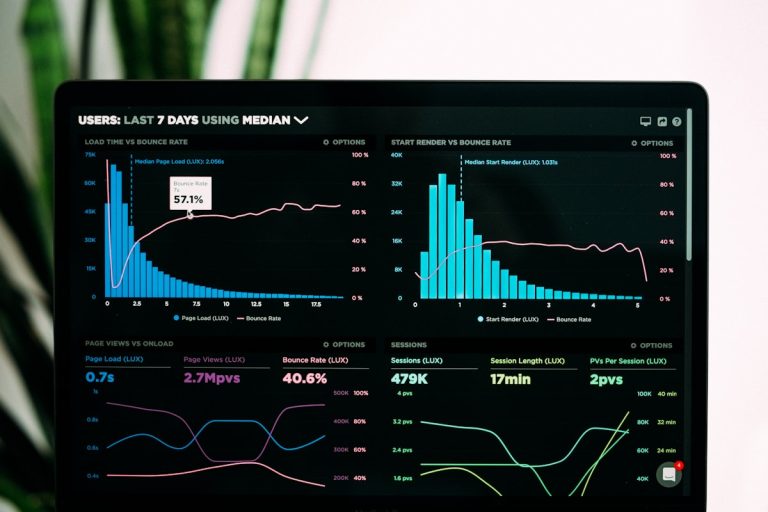
Traditional search monitoring forces you to stare at historical figures and figure out the story on your own. You get charts showing bounce rates, dwell times, and impression spikes, but very little clarity on what action to take next. AI CMO shifts the paradigm from passive data collection to real-time execution. By bringing search engine optimization and generative engine optimization into a single automated engine, you get instant visibility without the tedious dashboard setup. Let’s look at why standard search tracking falls short and how an integrated AI system redefines your digital strategy.
The Hidden Costs of Traditional SEO Analytics
Google Analytics and standard reporting tools are packed with data. Yet, having access to hundreds of reports doesn’t automatically mean you have useful insights. For small to medium enterprises, traditional analytics setups usually create three distinct bottlenecks.
1. The Setup Trap and Broken Dashboards
Setting up Google Analytics 4 properly requires configuring custom events, linking search consoles, setting up regex filters to block referrer spam, and organizing custom landing page reports. If a parameter breaks, your data gets distorted. You end up spending valuable development hours fixing tags instead of creating high-ranking content.
2. Disconnected Tools and Fragmented Data
Most teams use one platform for backlink audits, another for rank tracking, GA4 for session data, and a custom reporting tool to pull it all into a presentation. This piecemeal approach inflates software expenses and isolates critical information. You might see a traffic jump in GA4, but unless you manually cross-reference your keyword tools, you won’t know which term drove the traffic or whether those visitors converted into paying customers.
3. Analysis Paralysis
Data without clear direction is just noise. Knowing that your bounce rate on a specific blog post is 68% tells you something is off, but it doesn’t tell you how to fix it. Is the search intent mismatched? Is the loading speed too slow on mobile devices? Is the call to action weak? Manual reporting leaves all the heavy lifting to you.
Comparing Analytics Approaches: Traditional vs. AI CMO
To understand how tracking has evolved, consider how traditional platforms like Google Analytics combined with Databox compare to a fully unified solution like AI CMO:
| Feature | Traditional Analytics Stack (GA4 + Third-Party Tools) | AI CMO Unified Platform |
|---|---|---|
| Setup Time | Days or weeks spent configuring filters and views | Instant setup with automated integration |
| Data Interpretation | Manual analysis of charts and vanity metrics | Instant, plain-English strategic summaries |
| Execution | Manual content edits, updates, and keyword re-targeting | Automated 24/7 SEO and GEO optimization |
| Tool Costs | Multiple monthly subscriptions across fragmented SaaS tools | Single unified system with massive cost savings |
| Local & AI Search | Limited visibility into generative AI search platforms | Integrated GEO targeting and visibility tracking |
While traditional platforms show you what happened in the past, an automated system helps you decide what to do right now. When you want to stop guessing keyword opportunities and start executing ranking strategies automatically, you can automate your SEO with AI CMO.

Critical Metrics That Actually Drive Business Growth
If you are evaluating your organic performance, focussing on vanity metrics can mislead your strategy. High traffic numbers look impressive in board meetings, but traffic that doesn’t convert simply drains server resources. Here are the core metrics you should focus on, along with how automated systems simplify them.
Organic Conversion Rate
Traffic is merely a means to an end. The ultimate test of your search strategy is whether visitors take action, like submitting a form, booking a call, or buying a product. AI CMO connects search visibility directly to visitor action, showing you precisely which pages and search queries generate true business value.
Generative Engine Optimization (GEO) Visibility
Search is no longer limited to traditional blue links. Millions of users now ask queries directly to generative AI tools and search engines equipped with AI overviews. Standard analytics tools ignore this shift entirely. Tracking how often your brand is cited in AI responses is vital for modern brand visibility. You can master GEO targeting with AI to stay ahead of changing search habits.
User Engagement and Search Intent Alignment
Metrics such as dwell time, engaged sessions, and content interactions reveal whether your content matches user expectation. If visitors land on your page and hit the back button within three seconds, search algorithms notice and lower your rankings. Instead of leaving you to figure out why engagement dropped, AI CMO pinpoints thin or outdated content and suggests immediate improvements.
How AI CMO Automates Your SEO Performance Tracking Workflow
Eliminating manual reporting doesn’t mean giving up control over your data. It means letting technology handle routine metrics collection so you can focus on high-level strategy. Here is how an automated workflow transforms your day-to-day operations.
1. Continuous 24/7 Monitoring
Instead of checking your reports once a week or building custom email alerts that clog your inbox, AI CMO monitors search signals around the clock. If rankings drop for a high-converting keyword or a technical issue slows down page loading, the platform detects the issue immediately.
2. Eliminating Opaque Agency Retainers
Many businesses hire expensive digital agencies simply because search analytics seem too complicated to handle internally. Agency monthly reports are often filled with jargon designed to justify a high retainer rather than explain real progress. AI CMO provides total transparency. You get clear, actionable performance metrics without paying thousands in recurring agency fees.
3. Turning Insights into Real Content Strategies
Tracking data is useless if you don’t act on it. When search trends shift, AI CMO doesn’t just log the change; it adapts your overall content roadmap. The system creates data-driven, tailored content strategies that match search intent, ensuring your published articles remain competitive month after month.
To see how seamless automated reporting and search management can be, check out AI CMO’s unified AI marketing platform and take the headache out of analytics.

Actionable Steps to Simplify Your Search Workflow Today
Transitioning from a complex manual analytics stack to an automated workflow doesn’t have to be overwhelming. You can clean up your reporting process right away by taking these steps:
- Audit Your Current Tool Stack: List every marketing tool you currently pay for. Identify overlap between rank trackers, site crawlers, and reporting dashboards.
- Focus on High-Intent Keywords: Stop tracking thousands of low-value informational phrases. Concentrate your tracking efforts on commercial terms that generate real revenue.
- Automate Content Refresh Signals: Monitor older landing pages that are losing search positions. Prepare targeted updates to keep information fresh and accurate.
- Expand into Local Search Optimization: If your business serves specific geographical areas, expand your tracking beyond national terms. You can enhance your local visibility with AI CMO to capture local search market share.
- Replace Manual Dashboards with AI Insights: Ditch the monthly slide decks. Switch to real-time, automated tracking that delivers direct recommendations.
Take the Next Step Toward Effortless Search Growth
Managing organic search performance does not require endless manual effort or complex data pipelines. By moving past legacy reporting systems and choosing an intelligent, unified automation engine, you can protect your marketing budget, eliminate tedious maintenance, and keep your brand visible across traditional and AI search platforms.
Stop drowning in raw data and start focusing on scalable growth. Boost your search performance tracking with AI CMO today and transform how your business wins online.