Why Modern Search Measurement Is Broken (and How to Fix It)
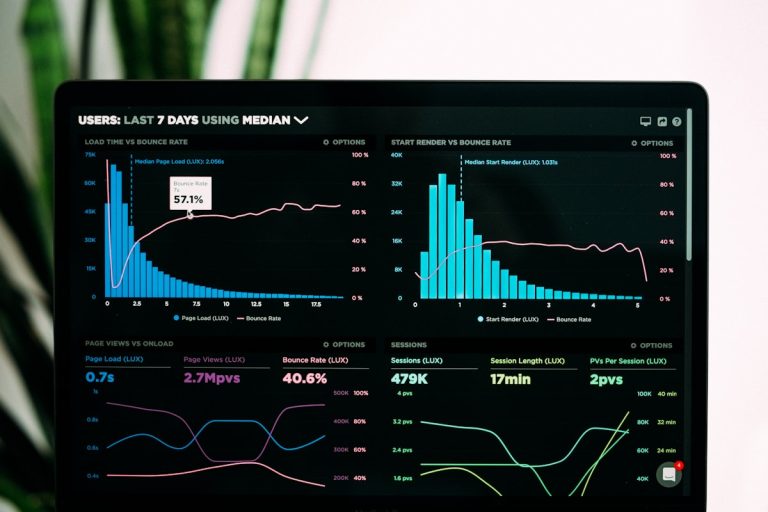
Most business owners treat organic search like a black box. You throw money at agencies or juggle six different tools, wait six months, and hope for a magic spike in sales. But when your board asks for exact numbers, you are left presenting vanity metrics like keyword rankings or impression counts that do not pay the bills. Effective SEO performance tracking requires tying real search clicks, user engagement, and actual revenue directly back to your organic content campaigns. Without a streamlined way to track these elements, you are effectively guessing in the dark.
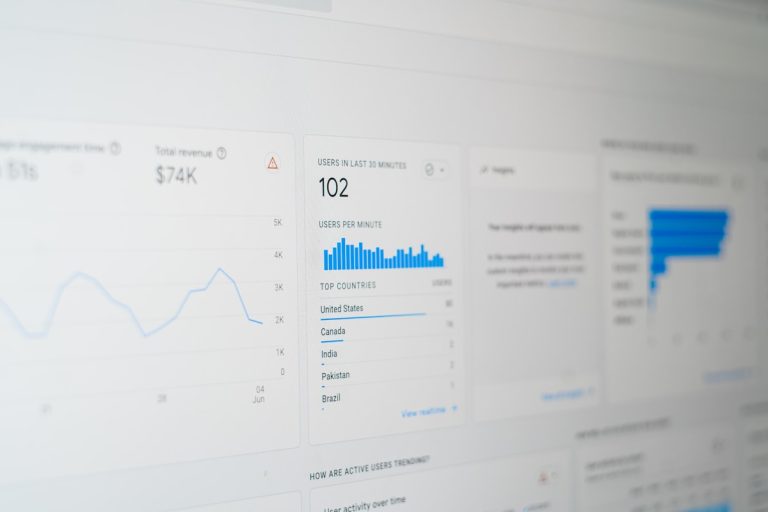
Tracking organic growth manually is exhausting. You have to log into Google Analytics 4, check Google Search Console, pull rank tracking reports, and try to make sense of fragmented charts. It takes hours every single week, and you still end up with gaps in your data. That is why smart teams are turning to automated platforms. If you want to streamline your analytics and ditch agency fees, you can leverage AI CMO for unified SEO performance tracking to bring all your search metrics, web behaviour, and channel insights into a single dashboard.
The Core Pillars of Organic Search Tracking
To truly understand if your organic strategy works, you need to look past basic traffic numbers. Traffic is nice, but targeted traffic that converts is what keeps your lights on.
Here are the primary metrics you must monitor:
- Organic Search Clicks and Impressions: This tells you how often you show up in search results and how many people actually click through to your site.
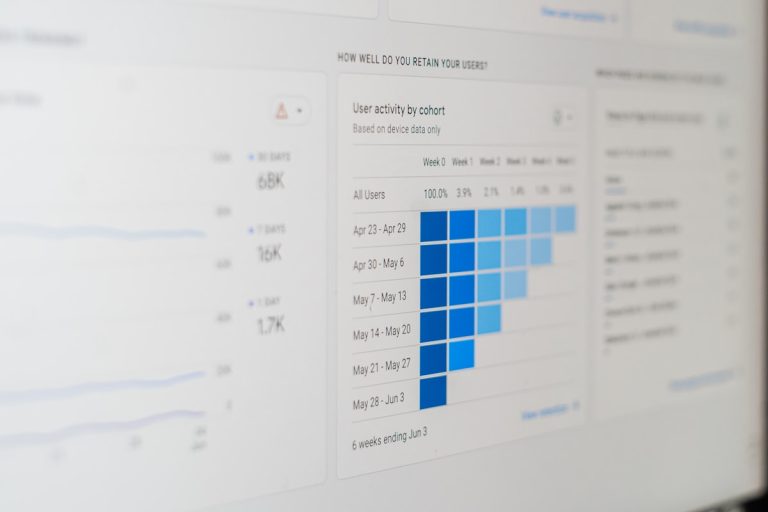
- User Engagement and Retention: High traffic means nothing if visitors leave after three seconds. Track average engagement time, scroll depth, and page paths.
- Generative Engine Optimisation (GEO) Visibility: Search is shifting. People do not just use traditional search engines anymore; they ask AI models for recommendations. You must track how frequently AI search models reference your brand.
- Conversion Metrics and Revenue Impact: How many leads or checkout completions came directly from organic search? This is your actual return on investment.
When you track these pillars constantly, you spot drops in traffic before they turn into revenue crashes. You also identify winning content that you can double down on instantly.
Traditional Reporting vs. Continuous AI Operations
Why do traditional methods fail most small to medium businesses? Because traditional analytics tools are passive.
Tools like Ahrefs, SEMrush, or Moz give you mountains of data. They show you backlink graphs, search volumes, and historical ranks. But they do not do the work for you. You still have to spend hours digesting reports, figuring out what broke, and manually writing new content to fix it. On top of that, agency retainers cost thousands of pounds every month for a basic PDF report that arrives weeks after the event.
By switching to continuous automation, your system tracks performance around the clock. Instead of spending your weekends auditing broken links or checking rank drops, you let intelligent software monitor search behaviour 24/7. When a keyword starts dipping, automated workflows can update content strategies instantly. If you want to put your search strategy on autopilot, you can automate your SEO execution with AI and let modern tools handle operational complexities while you focus on high-level growth.
Setting Up Your Performance Baselines
You cannot measure growth if you do not know where you started. Establishing a solid baseline is the first technical step in any proper tracking setup.
First, clean up your historical data. Look at your previous twelve months of traffic to account for seasonality. An e-commerce store selling summer gear will obviously see a drop in autumn, so comparing month-over-month without annual context will give you false alarms.
Second, categorize your pages into distinct intent buckets:
- Informational: Blog posts, guides, and educational articles.
- Commercial: Product comparison pages and feature breakdowns.
- Transactional: Pricing pages and checkout flows.
Each bucket requires different performance benchmarks. An informational blog post might boast a high impression rate but lower conversion numbers, whereas a transactional landing page needs high conversion rates even if total traffic is lower.
Tracking these nuances manually across dozens of pages takes serious effort. By standardising your data collection, you get clean, actionable feedback that shows exactly where your growth originates.
Tracking AI Visibility in the Age of Generative Search
The search landscape is changing faster than ever. Modern users frequently ask AI tools for direct answer recommendations rather than clicking through ten blue links. If your tracking framework only monitors Google’s traditional top ten results, you are missing half the picture.
Generative Engine Optimisation focuses on ensuring your brand is cited by AI engines when users ask for top tools or services in your industry.
To track this new dimension of search visibility, you need to evaluate:
- Brand Citation Rate: How often your brand is mentioned in answer summaries for target industry prompts.
- Contextual Sentiment: Whether the AI model presents your business as a category leader or just an optional alternative.
- Location-Based GEO Accuracy: Ensuring regional queries pull accurate geographic details for your business in local search results.
If local search visibility is crucial for your business model, you should enhance your local GEO visibility with AI CMO to capture hyper-targeted searchers right when they are ready to buy.
Connecting Search Data Directly to Revenue
Let us talk about the metric that matters most to your bottom line: Return on Investment (ROI).
To calculate your actual ROI from organic channels, use this straightforward formula:
Organic ROI = (Net Revenue from Organic Traffic – Marketing Expenses) / Marketing Expenses * 100
Marketing expenses must include software subscriptions, content creation costs, and internal team time. When you reduce software fragmentation and eliminate agency fees, your baseline expenses drop drastically. Lower overhead means every organic lead translates into significantly higher profit margins.
Midway through your tracking journey, it becomes obvious that measuring isolated data points is a waste of time. To make data-driven decisions that drive measurable growth, you need a system that connects search clicks to revenue metrics. You can use AI CMO to streamline your SEO performance tracking and see exactly how organic search moves the needle for your business.
Simplifying Multi-Channel Optimization for Lean Teams
Small marketing teams and startups rarely have the luxury of hiring dedicated specialists for SEO, content creation, social media, and analytics. You are usually forced to wear five hats at once.
When your tracking tools live in separate silos, key insights get lost in translation. A sudden boost in organic traffic from a specific blog post might be driving conversions on your site, but if your social media manager does not see that data, they will not know to amplify that topic across other channels.
A unified approach breaks down these silos:
- Content Insights Feed Operations: Top-performing organic search topics automatically inform your social media calendar and email newsletters.
- Local Search Informs Ad Campaigns: High-performing local search keywords tell you exactly where to focus paid acquisition budget.
- Real-Time Data Guides Content Creation: Real-time visibility tracking tells you precisely which content pieces need updates before rankings drop.
When operations run in harmony, lean teams can easily outpace larger competitors who are still trapped in slow, manual workflows.
Moving from Static Reports to Real-Time Execution
Static monthly reports are dead weight. Knowing that your traffic dropped three weeks ago does not help you protect your revenue today. You need continuous, real-time monitoring that flags issues immediately and offers clear solutions.
Imagine an automated workflow where traffic drops trigger instant content adjustments, keyword shifts trigger strategy updates, and performance wins automatically inform your next content cycle. This eliminates the operational fatigue that causes so many marketing campaigns to stall out after a few months.
Instead of spending late nights fiddling with spreadsheets or trying to figure out why your rankings shifted, let automated platforms do the heavy lifting. If you are ready to eliminate fragmented marketing tools and take complete control over your organic growth, you can get started with unified AI marketing automation today and start scaling your business with complete clarity.