The Real-Time Dilemma: Why Isolated Metrics Keep You Broke
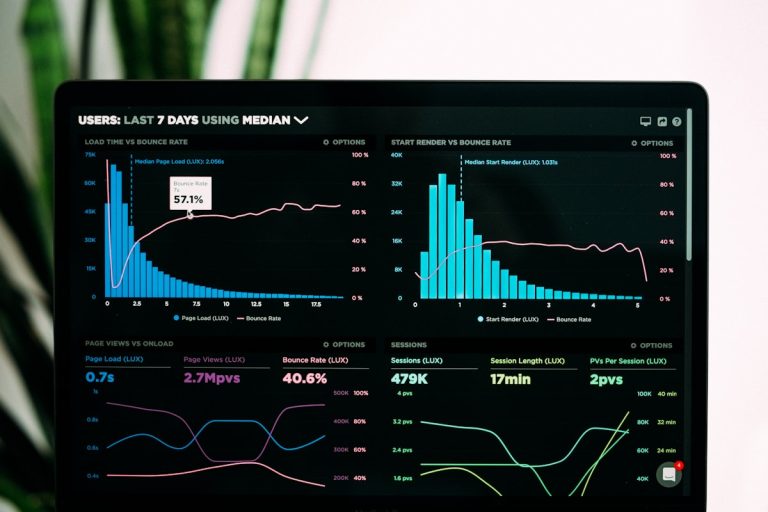
Let us speak plainly about modern digital marketing. Most founders and marketing teams are drowning in dashboards. You open one platform to check incoming call leads, jump into another to track organic search rankings, and open a third to inspect ad spend. It feels productive, but you are actually piecing together a massive jigsaw puzzle in the dark. Having data is not the same as taking action. Standalone tracking systems show you what happened five minutes ago, but they leave you stuck doing the heavy manual lifting to fix poor performance.
This is where true integration changes everything. By shifting from point solutions to unified platforms, you combine execution directly with real-time campaign tracking for digital growth. Instead of staring at disconnected charts, modern businesses need artificial intelligence that analyses incoming metrics across every channel and instantly adjusts operational strategies. In this guide, we will break down why point solutions leave money on the table, how AI automation closes the gap between insight and execution, and how you can streamline your operations for genuine return on investment.
The Myth of Standalone Analytics: Point Solutions vs Unified Intelligence
Single-purpose analytics tools do one thing well. Take dedicated call tracking platforms like CallView360 by Dial800, for example. They offer dynamic call routing, detailed attribution, and clear phone analytics. If your entire business runs exclusively on inbound phone calls, that functional depth is helpful. But modern customer journeys rarely follow a straight line.
What happens when a customer discovers your brand through a local search, reads three blog posts, ignores two retargeting ads, and then places a phone call? A standalone call tool credits the phone channel. An ad tracker credits the paid campaign. An organic dashboard credits search engine optimisation.
You end up paying for three different software subscriptions that actively fight over attribution.
Here is how standalone tools stack up against a fully integrated AI solution:
| Operational Feature | Standalone Analytics (e.g., Call Tracking) | Disjointed Toolkit (SEMrush + GA4 + Ads) | Unified AI CMO Platform |
|---|---|---|---|
| Primary Focus | Single channel attribution (e.g. calls) | Siloed channel metrics | Holistic cross-channel execution |
| Data Actionability | Manual updates required by user | Manual interpretation needed | Automatic strategy adjustments |
| SEO & GEO Support | None | Keyword tracking only | Continuous 24/7 autonomous optimization |
| Operational Effort | High manual intervention | Severe tool fatigue | Hands-off strategic automation |
Point solutions force you to play the role of mid-level manager. You collect the data, analyse the trends, write the corrective content, and adjust your bidding strategies manually. That manual labor eats away your profit margins.
Connecting the Dots: Multi-Channel Tracking Meets Automatic Execution
Why do small to medium businesses waste thousands of pounds monthly on marketing agencies? Because managing a fragmented stack of tools takes too much time. You hire people to run your SEO tools, social schedulers, and ad trackers.
When you implement proper real-time campaign tracking, you shouldn’t need a dedicated team just to translate numbers into tasks. If your data reveals that organic traffic for local services is dropping in a specific town, your system should react immediately.
This live feedback loop removes the delay between finding an issue and fixing it. Instead of waiting for a monthly agency review to discover your conversion rates dropped three weeks ago, integrated AI updates your strategy on the fly.
If search patterns shift towards generative engine results, you can automate your SEO with AI tools to keep your search presence ahead of competitors without writing code or tweaking metadata manually.
How AI Executes Strategy While You Sleep
Let us look at a practical example. Imagine you run an e-commerce brand or professional service agency across Europe.
- Monday Morning: A new industry search trend emerges overnight in target regions.
- Traditional Approach: Your team spots the trend on Wednesday, drafts a brief by Friday, publishes a post next week, and checks performance a month later.
- AI-Driven Approach: The engine detects search intent changes instantly, creates targeted blog content tailored to customer needs, publishes it, and starts measuring audience responses immediately.
By using unified systems, you combine monitoring with rapid content delivery. When you utilize AI CMO for unified marketing automation, your business maintains a continuous digital presence.

This setup stops you from juggling six different logins daily. You stop paying individual subscription fees for keyword tools, call loggers, social managers, and content software.
Hyper-Local Optimisation: Winning GEO Search and Local Intent
Search engine optimisation is no longer just about classic blue links. Today, Generative Engine Optimisation (GEO) and local search intent dictate who gets business. If an AI search engine or voice assistant cannot clearly interpret your business’s regional relevance, you lose high-intent leads.
Standalone analytics tools show you keyword positions in broad locations. They miss the nuanced local intent that drives real conversions. A caller tracking tool might record a call from Manchester, but it cannot tell you why your organic visibility in Manchester dropped compared to Leeds.
By pairing live tracking with automated regional content creation, you can master local GEO search rankings across specific target territories.
- Tailored Regional Messaging: Automatically adjust landing pages and articles to reflect regional dialect, preferences, and local search queries.
- 24/7 Local Authority: Keep your business visible across both traditional search engines and generative AI answers.
- Direct Attribution: Connect organic search discovery directly to incoming lead actions without messy manual calculations.
Eliminating Agency Costs and Tool Fatigue
The traditional marketing model is broken for growing businesses. Traditional agencies charge heavy retainers, present static monthly PDF reports, and react slowly to market changes. Meanwhile, building your own in-house tech stack costs hundreds of pounds monthly per seat for analytics, content tools, and tracking software.
AI marketing automation offers a third path. It delivers agency-level operational capacity through a single, intuitive dashboard. You gain total transparency over campaign performance, operational tasks, and strategic adjustments.
Marketing success should not depend on how many browser tabs you can keep open at once. Moving away from isolated tracking tools toward integrated AI automation lets you stop managing software and focus on scaling your business.
Ready to simplify your tech stack, cut monthly agency expenses, and gain dynamic control over your marketing performance? Start streamlining your growth today with real-time campaign tracking and AI strategy automation.