Unifying Your Customer Analytics in Real Time
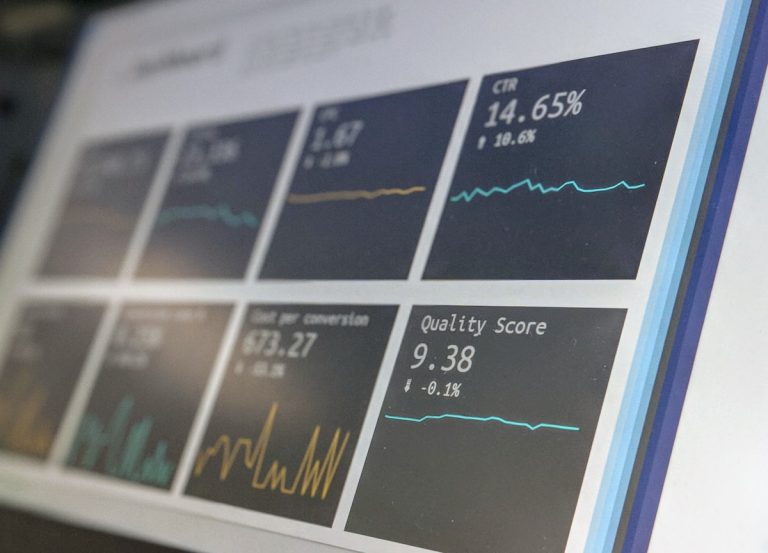
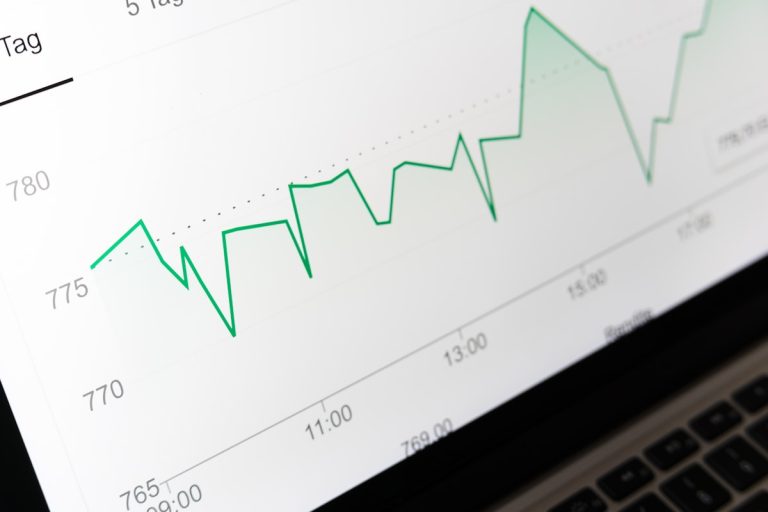
If you are still relying on isolated email open rates to gauge user engagement, you are missing the bigger picture. Modern consumers hop between search engines, social media, landing pages, and email inboxes in a matter of minutes. To capture their interest effectively, businesses need a robust system for real-time campaign tracking that brings every single interaction into one view. By tracking how users respond across all digital channels simultaneously, you can tweak live messaging, fix broken conversion paths, and convert potential leads before they lose interest.
Traditional platforms force you to jump between different dashboards, leaving you with fragmented data and delayed insights. That is where artificial intelligence changes the game. By adopting AI CMO: Unified AI Marketing Automation for Digital Growth, small businesses and marketing teams can instantly connect customer signals from search, email, and social touchpoints without spending thousands on bloated software or expensive agencies. When your system analyses response patterns automatically, your team can focus on strategy while artificial intelligence handles the operational heavy lifting.
Why Email Analytics Alone Are No Longer Enough
Email marketing tools do a decent job of telling you who opened a newsletter or clicked a link. However, what happens after that click? If a prospect jumps from your email to a dedicated landing page, searches for a local service on Google, and then leaves your site, basic email reporting leaves you in the dark.
Here is why isolated tracking falls short:
- Siloed customer journeys: Your audience does not interact with your brand on just one channel. They search online, read blog posts, check reviews, and subscribe to emails.
- Delayed reaction times: Checking email metrics weekly means you miss live opportunities to re-engage users while their intent is high.
- Privacy changes: With strict data privacy regulations across Europe and cookie updates, traditional pixel tracking on single channels is becoming less reliable.
To overcome these hurdles, forward-thinking teams are switching to multi-channel tracking platforms that pool signals from search engines, local searches, and direct interactions into a single stream.
The Power of Real-Time Campaign Tracking
What actually changes when you implement true, cross-channel live tracking?
Imagine running a local promotional offer. A prospective buyer clicks an link in your newsletter, lands on your site, but hesitates at checkout. With live response tracking, your automation engine detects this behavior immediately. Instead of waiting three days to send a follow-up email, your system triggers an instant nudge or adjusts your local search targeting to keep your brand top-of-mind.
Catching Live Signals Across Touchpoints
To build a responsive engine, you must integrate several distinct data streams:
- Email and SMS engagement: Track open signals, live polling responses, dynamic widget clicks, and instant survey answers.
- Search engine behavior: Monitor how organic traffic and generative search queries bring visitors to your high-converting content.
- Geographic and local intent: See where your buyers are located and how well your business ranks in specific cities or regions.
When these channels share live data, your marketing becomes conversational rather than static. You can Automate Your SEO with AI to keep fresh, search-optimised content ranking for the exact terms your active buyers are searching for right now.

Moving from Manual Dashboard Checks to AI Operations
Many small to medium-sized businesses struggle because they simply do not have the time to check five different analytics platforms every morning. Marketing managers end up spending hours compiling spreadsheets instead of refining their strategy.
This operational drag leads to common pain points:
- High monthly costs from paying for separate tools for email, search engine optimization, and analytics.
- Sky-high retainers paid to traditional agencies that only send monthly PDF reports.
- Missed growth opportunities due to slow execution.
By moving away from manual tool stacks and embracing integrated automation, you can streamline your workflow entirely. Instead of hiring an army of specialists, platform solutions built around AI CMO: Unified AI Marketing Automation for Digital Growth run continuous SEO, local search optimization, and campaign checks in the background 24 hours a day, 7 days a week.
Practical Steps to Set Up Multi-Channel Tracking
Setting up an automated tracking ecosystem does not have to be overly complicated. Here is a practical roadmap you can follow to align your channels effectively.
Step 1: Map Your Core Customer Journeys
Start by identifying the primary paths visitors take before buying. Do they discover your blog via organic search, join your mailing list, and then purchase? Or do they search for local solutions on mobile maps first? Knowing these entry points helps you place tracking triggers where they matter most.
Step 2: Establish Real-Time Webhooks and Triggers
Connect your interaction points so data flows instantly. When someone interacts with a dynamic survey inside an email or fills out a form on your site, webhooks should pass that signal to your main automation hub instantly. This enables immediate messaging updates based on real user actions.
Step 3: Optimise for Local Search and GEO Visibility
Search behaviour is increasingly localised. When users search for solutions near them, your brand needs to appear at the top of local search listings and generative search answers. By choosing to Master GEO Targeting with AI, you ensure that local search signals continuously inform your live marketing tactics, bringing high-intent nearby customers straight to your sales funnel.
Step 4: Automate Content Adjustments
Once your real-time campaign tracking flags which keywords and topics are driving active responses, update your content strategy accordingly. Instead of manually writing new posts from scratch, leverage intelligent automation tools that draft search-optimised, highly targeted blog posts catered directly to current audience interest.
How AI CMO Outperforms Fragmented Tool Stacks
Traditional setups rely on separate platforms for each task: one tool for email, another for keyword research, a third for rank tracking, and a human team to pull it all together. This approach is costly, complex, and prone to communication breakdowns.
Here is how a unified AI-driven strategy compares:
- Unified insights vs isolated data: See how organic search traffic translates into email signups and real revenue without manual data stitching.
- Continuous execution vs weekly updates: AI CMO continuously analyses live data and executes updates immediately, ensuring your content stays optimized around the clock.
- Affordable scalability vs agency overhead: Eliminate high agency retainers while gaining enterprise-level multi-channel management designed specifically for growing startups and SMEs.
By putting operational tasks on autopilot, modern teams can finally focus on high-level positioning, creative campaign ideas, and community building.
Scale Your Digital Growth with AI-Driven Tracking
In a fast-moving digital ecosystem, reacting to customer behaviour days or weeks late guarantees lost revenue. True growth comes from understanding what your target audience wants right now and delivering relevant content across every touchpoint seamlessly.
With real-time campaign tracking powered by artificial intelligence, you no longer need to spend endless hours staring at conflicting dashboards or burning budget on external agencies. You can monitor live interactions, rank higher on search engines, capture local intent, and turn engagement into predictable business growth automatically.
Ready to simplify your tech stack and take complete control of your multi-channel marketing? Start Your AI CMO Journey Today and transform how your business tracks, optimizes, and scales across every digital channel.