Master Your Analytics: Why Real-Time Campaign Tracking Changes Everything
Managing digital marketing across multiple platforms often feels like juggling with blindfolds on. You post content, run search ads, optimize local listings, and then wait weeks for agency reports to tell you what went wrong. That delayed feedback loop destroys growth potential, especially for growing businesses that need to adapt swiftly. When you implement real-time campaign tracking with AI CMO, you replace guesswork with instant, actionable clarity across every single marketing channel.
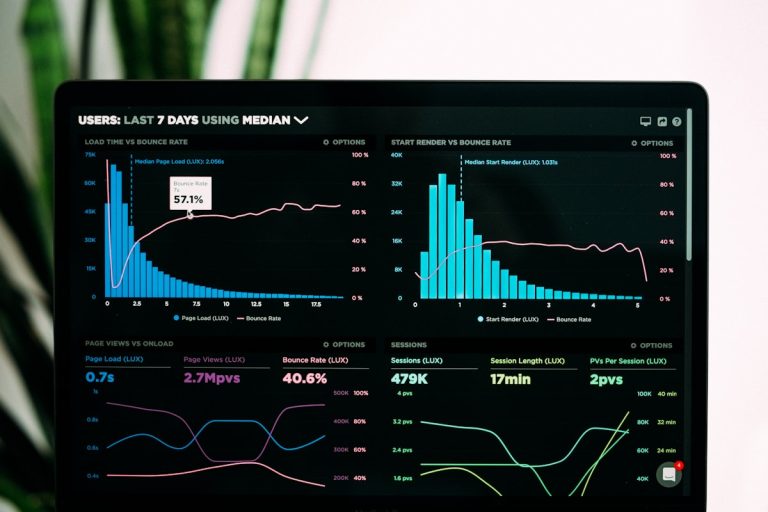
Instead of logging into half a dozen disconnected dashboards or deciphering complex spreadsheets, unified tracking brings your entire ecosystem into focus. Real-time campaign tracking lets you monitor audience engagement, search visibility, and conversion metrics as they happen. This means you can spot underperforming campaigns immediately, double down on high-performing channels, and protect your budget without relying on expensive third-party agencies.
The High Cost of Fragmented Tracking Tools vs Unified AI Automation
For years, businesses have relied on separate, specialized software solutions for every marketing task. You might use one platform for email, another for social scheduling, a dedicated tool like Frontstream for event or peer-to-peer tracking, and complex software like SEMrush or Moz for search engine monitoring. While individual tools offer niche functionality, they leave your data trapped in silos. Trying to manually stitch together performance metrics across these channels takes hours of tedious manual labour every week.
Traditional setups force you to look backward rather than forward. By the time you notice a sudden dip in organic traffic or local search positioning, the damage is already done. Fragmented systems also fail to account for how channels influence one another. For instance, a localized promotional campaign might boost organic search interest, but without unified analytics, you cannot attribute that uplift accurately.
This is where switching to an all-in-one platform creates an immediate operational advantage. By leveraging SEO Automation within a single intelligent interface, you eliminate the friction of juggling multiple subscriptions. AI CMO operates around the clock, continuously monitoring your visibility, identifying organic growth opportunities, and automating complex tasks so your team can stay focused on overall strategy.
Step-by-Step Guide: Configuring Cross-Channel Real-Time Campaign Tracking
Setting up live data tracking across all your marketing channels does not require a degree in computer science. By following this systematic setup, you can establish an automated tracking pipeline in a matter of minutes.
Step 1: Connect Your Core Data Sources and Platforms
The first step is bringing your digital touchpoints under one roof. Access your central dashboard and navigate to the integration settings. Here, you will connect your website analytics, social channels, and search console accounts.
Unlike traditional setups that require manual script injections for every single event metric, modern automation simplifies integration. If you are coordinating specific events or targeted campaigns, connecting your tracking endpoints allows the platform to ingest engagement metrics automatically. This establishes a baseline for tracking user journeys across organic search, direct web traffic, and local search queries.
To ensure your local brand presence is monitored alongside your national search efforts, make sure to enable GEO Visibility settings during this initial onboarding process.
Step 2: Establish Real-Time Campaign Metrics and KPI Dashboards
Once your channels are linked, you need to define what success looks like for your specific campaign. Avoid tracking vanity metrics alone; focus on actionable indicators that reflect actual business growth:
- Organic Search Position & CTR: Track keyword position movements across major search engines in real time.
- Generative Engine Optimization (GEO) Reach: Monitor how often your brand appears in AI-driven search answers and local map packs.
- Cross-Channel Referral Traffic: Measure live user transitions from social platforms, paid channels, and secondary sites to your main web properties.
- Conversion Velocity: Observe real-time goal completions, form submissions, and direct online enquiries.
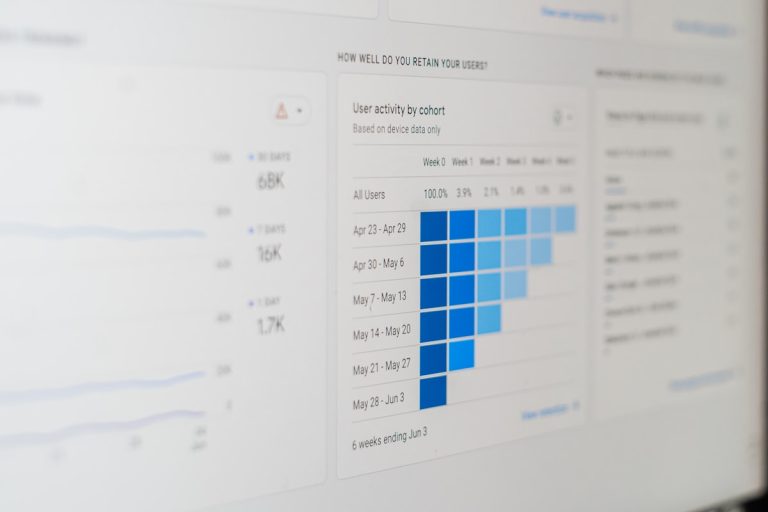
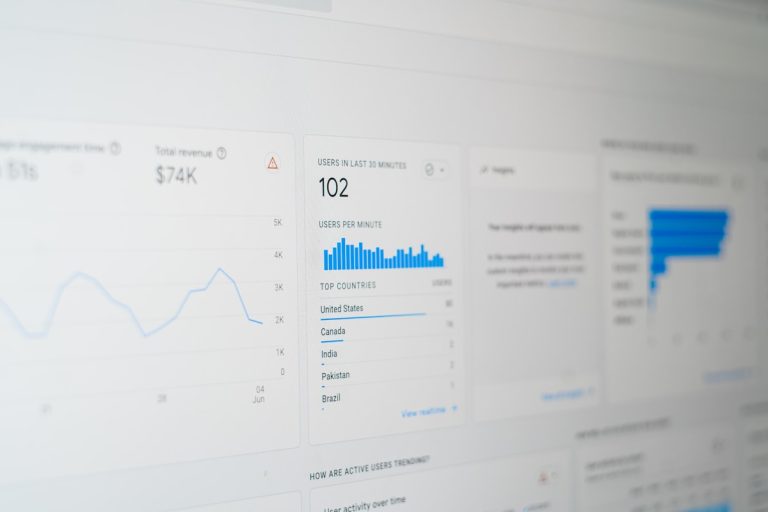
Setting up these parameters allows AI CMO to construct custom live dashboards. You get an immediate, colour-coded view of channel health, making it effortless to identify trends as they emerge.
Step 3: Enable Automated Intelligence and Anomaly Alerts
The true value of real-time tracking lies in automated intervention. Human teams cannot monitor analytics dashboards 24 hours a day, 7 days a week, but artificial intelligence can. Configure your alert parameters so the system flags sudden shifts in traffic, drop-offs in conversion rates, or unexpected rank fluctuations.
When an anomaly is detected, the platform does not just send a passive email notification. It analyses the root cause, whether it is a technical site issue, an algorithm update, or a competitor moving on your primary keywords, and suggests immediate course corrections.
Driving Measurable Organic Growth Across SEO and GEO
Search behaviour is evolving rapidly. Potential customers no longer rely solely on standard search engines; they increasingly use generative AI engines and localized voice assistants to find solutions. Traditional tracking tools simply were not built to measure visibility inside AI search responses or hyper-local map algorithms.
By deploying real-time campaign tracking across both traditional search engine optimization (SEO) and generative engine optimization (GEO), you gain complete control over your digital footprint. You can see precisely which search queries trigger brand mentions in AI overviews and track how localized optimization efforts translate into actual store visits or service enquiries.
When you Start Your SEO Autopilot, the platform handles the technical heavy lifting of search optimization automatically. It constantly analyses ranking data, identifies content gaps, and adjusts on-page elements to match shifting search intent. Paired with real-time tracking, this ensures your content strategy remains continuously aligned with what your audience is actively searching for.
Furthermore, if your business serves specific regions across Europe or local municipalities, you can Master GEO Targeting with AI to dominate hyper-local search results. The platform monitors regional search variations, ensuring your brand maintains maximum visibility regardless of where your prospective clients are searching from.
Best Practices for Continuous Optimization and Community Insights
Implementing real-time tracking is an ongoing strategy for sustainable scaling, not a one-time project. To extract maximum value from your marketing automation, adopt these continuous improvement practices:
Integrate Workflow Automation Across SaaS Ecosystems
Connect your campaign tracking outputs with your internal communication tools and customer relation platforms. Automating data flow between your marketing interface and sales pipeline ensures your team responds to qualified leads while engagement levels are at their peak.
Leverage AI for Dynamic Content Adaptation
Use real-time interaction data to refine your messaging continuously. If analytics show that a particular topic or product feature is generating an unexpected surge in organic search interest, adapt your strategy immediately. You can generate fresh, targeted blog posts and resource guides that capture that demand while intent remains high.
Participate in Strategic Marketing Communities
Technology moves fast, and staying ahead requires shared industry intelligence. Engage with user communities, online forums, and digital marketing networks to exchange best practices, compare performance benchmarks, and discover innovative tracking strategies. Combining real-time performance data with collective industry insights gives your business a distinct competitive edge.
Take Control of Your Multi-Channel Strategy
Relying on outdated reports and fragmented marketing tools is a recipe for stagnation. Modern digital growth requires agility, complete visibility, and instant execution. By consolidating your analytics into a single live tracking ecosystem, you eliminate operational bottlenecks and cut agency costs while drastically accelerating your results.
With 24/7 monitoring across search engines, local directories, and digital platforms, you can make confident, data-driven decisions that propel your business forward. Explore AI CMO: Unified AI Marketing Automation for Digital Growth today to streamline your analytics, automate your campaigns, and unlock predictable organic success.