Introduction: Why Your CRM Needs Next-Level Integration
Imagine you could synchronise every lead, campaign and insight into one pane of glass. No juggling spreadsheets. No missed follow-ups. That’s exactly what happens when you bring marketing automation software into your CRM. It’s about speed, clarity and real-time decisions.
You’ll save hours. You’ll capture more qualified leads. You’ll see what’s working—and what’s not—at a glance. Curious? Explore how marketing automation software can transform your workflows today with AI CMO: Revolutionising marketing automation software.
In the sections that follow, we’ll cover everything from initial planning to advanced AI-driven triggers. By the end, you’ll have clear, actionable steps to integrate AI-powered marketing automation with your CRM by 2026. Let’s dive in.
1. Why Integrate AI-Driven Marketing Automation Software with Your CRM?
Integration isn’t a tech fad. It’s a way to:
- Break down data silos
- Deliver personal experiences at scale
- Align sales and marketing around the same goals
With AI-augmented marketing automation software, your CRM becomes more than a contact database. It evolves into an insights engine. Real-time data flows both ways. Campaign results feed into lead scores. Lead scores trigger smart follow-ups. And all of it happens without human intervention—until you need to step in.
Key Benefits at a Glance
- Unified customer profiles, enriched by AI-driven intelligence
- Automated campaigns that adapt to user behaviour
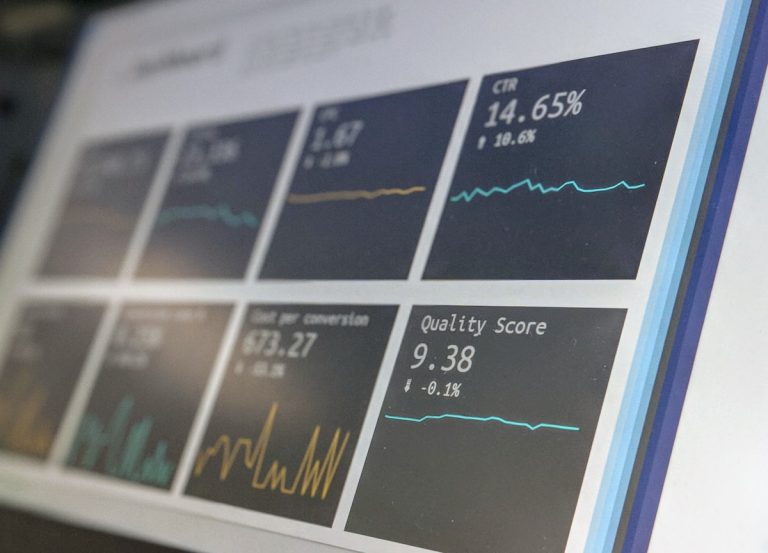
- Real-time performance dashboards and GEO insights
- Seamless hand-off between marketing and sales
All of these feed through your CRM. You get one source of truth. No more hunting for updates in five different tools.
2. Critical Considerations Before You Start
Before you hit “integrate”, ask yourself:
- How clean is your data?
- Do your sales and marketing teams share definitions?
- What regulations apply to your market?
Data mapping deserves particular focus. You need to ensure fields in your CRM correctly align with triggers and attributes in your marketing automation software. Missing fields can break workflows. Or worse—send the wrong message to the wrong person.
Checklist: Pre-Integration Audit
- Review data quality and duplicate records
- Standardise field names and values
- Verify GDPR, UK-DSGVO and other privacy obligations
- Confirm user roles and permissions
If you overlook any step, you’ll hit roadblocks later. A bit of groundwork now means smoother sailing when you enable AI-powered workflows.
3. Best Practices for Seamless Integration in 2026
The landscape evolves fast. What worked last year might feel clunky today. Follow these best practices:
-
Define Clear Objectives
• What metrics matter? Lead volume, conversion rate or churn?
• Set KPIs before you build any workflows. -
Adopt AI-Enabled Triggers
• Use predictive lead scoring to surface high-value opportunities.
• Employ behaviour-based triggers—chat interactions, email opens, GEO visits. -
Leverage 24/7 SEO and GEO Automation
• Let AI CMO continuously optimise SEO tags and localise messages.
• Geo-targeted campaigns adjust automatically to time zones and languages. -
Align Teams Around the Same Playbook
• Document campaign stages and approval processes.
• Share dashboards between sales and marketing for transparency. -
Test, Measure, Optimise
• Run A/B tests on subject lines and landing pages.
• Tweak automation rules based on performance data.
By adopting these practices, your CRM becomes a living system that adapts as your prospects move through the funnel.
4. Integrating AI-Driven Workflows: Step-by-Step Guide
Ready to get hands-on? Here’s a typical sequence:
-
Connect Your CRM API
– Most CRMs offer secure token-based authentication.
– Ensure you have an admin account to grant permissions. -
Map Your Data Fields
– Match contact details, lead scores, custom attributes.
– Include tags for GEO region, campaign IDs and content preferences. -
Configure Your First Campaign
– Choose an entry point: form submission, email click or website visit.
– Define the series of actions: email follow-up, SMS nudge or sales alert. -
Add AI-Driven Decision Points
– For high-engagement leads, bump priority and notify sales.
– For low-engagement leads, set a re-engagement drip. -
Launch and Monitor in Real Time
– Use AI CMO’s performance dashboard to track opens, clicks and conversions.
– Adjust thresholds for lead scoring based on initial results.
Soon you’ll see how marketing automation software turns manual tasks into automated engines. The result? More bandwidth to focus on strategy rather than repetitive chores.
Around halfway through your journey, you might be wondering how this looks in practice. Discover real-world impact with Explore marketing automation software with AI CMO.
5. Overcoming Common Integration Challenges
Even the best-laid plans can meet friction. Here’s how to tackle the usual suspects:
-
Data Silos
• Issue: Teams use different naming conventions or tools.
• Fix: Centralise your data dictionary and enforce governance. -
Change Resistance
• Issue: Sales reps worry about alerts flooding their inbox.
• Fix: Start small with low-volume tests and share early wins. -
Budget Constraints
• Issue: Licensing fees and consulting costs add up.
• Fix: Prioritise high-impact workflows and scale gradually. -
Skills Gap
• Issue: Teams lack AI or automation know-how.
• Fix: Host hands-on workshops and leverage vendor support.
Don’t let these hurdles derail you. Every challenge has a solution. And every solution brings you closer to end-to-end automation.
6. Future Trends in AI-Driven Marketing Automation Software
What does 2026 hold? A few trends to watch:
-
Hyper-Personalisation at Scale
AI will tailor messages down to the individual, predicting needs before users ask. -
Conversational Commerce
Chatbots and voice assistants integrated directly with CRM workflows. -
Predictive Revenue Forecasting
Machine learning models that estimate deal closure dates with pinpoint accuracy. -
Deeper Integration with IoT
Smart devices feeding real-world signals back into your campaigns.
As these trends mature, the line between marketing, sales and service will blur. Your marketing automation software will not only send messages. It will shape entire customer journeys, end to end.
Testimonials
“AI CMO transformed our lead nurturing overnight. We saw a 35% lift in qualified leads within weeks.”
— Sarah Thompson, Head of Marketing at GreenWave Tech
“Integrating the AI CMO tool with our CRM was surprisingly smooth. The real-time dashboards keep our team aligned and motivated.”
— David Patel, Sales Director at UrbanStyle E-Commerce
“Automating GEO-targeted campaigns saved us hours each month. Now we reach the right audience at the right time, consistently.”
— Emily Roberts, Growth Manager at Beacon Startups
Conclusion: Take Your CRM to the Next Level
Integrating marketing automation software with your CRM isn’t a future vision. It’s today’s reality. You get smarter lead scoring, seamless hand-offs and always-on optimisation. No more guessing. No more delays.
Ready to streamline your workflows and maximise ROI? Start your marketing automation software journey with AI CMO.